
Depression Treatment
How Long Typically Depression Treatment Lasts
Treatment for depression varies from 6-12 months, but discovering your unique path to recovery depends on several key factors.

Treatment for depression varies from 6-12 months, but discovering your unique path to recovery depends on several key factors.

Key depression treatment metrics reveal proven paths to recovery – but which measurement tools deliver the most reliable results?

Side effects from modern depression treatments range from memory issues to sexual problems, but knowing what to expect helps guide your treatment choices.

Getting proper depression care starts with three proven steps that can transform your journey toward healing and recovery.

Discover why modern depression treatment goes beyond pills – new protocols combine genetics, technology and personalized approaches for better outcomes.

Confronting depression’s rising costs through 2025 can be daunting, but understanding your treatment options helps minimize financial impact.

Clinical depression treatment shows promising results after three months, but what factors determine if you’ll be among the 43.5% achieving remission?

Optimal antidepressant dosing requires careful medical guidance, but knowing standard ranges helps patients better understand their treatment journey.

Interactions between depression medications and other drugs can be dangerous – learn which combinations to avoid and why.

Key safety updates for depression medications require specific monitoring protocols – but what’s changing for patients in 2025?

Overwhelmed by options for treating your child’s depression? Learn which FDA-approved medications work best and how to monitor treatment effectively.

Wondering how to safely manage depression during pregnancy? Discover evidence-based treatments that protect both you and your baby’s health.

Is the use of melatonin supplements secretly making your depression worse, or could it actually help regulate your mood?

Knowing how melatonin affects your brain chemistry could reveal why this common sleep aid worsens depression for some people.

In the complex dance between sleep and mood, melatonin might be the key to understanding your depression symptoms.

Discover how melatonin’s effects on depression go beyond sleep, offering new hope for treatment-resistant patients seeking natural alternatives.
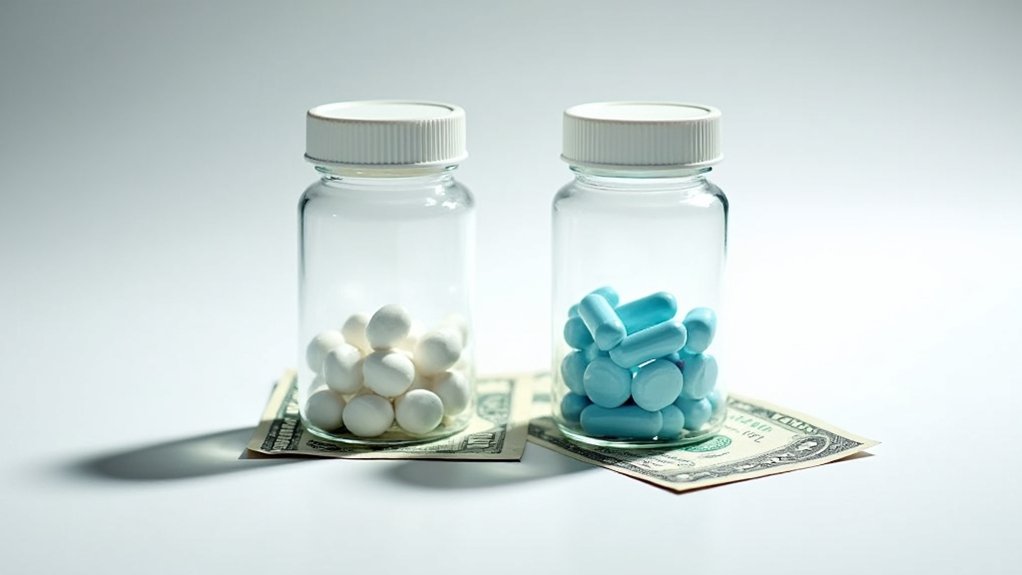
Breaking the stigma around generic antidepressants: discover why these affordable alternatives might be just as effective as brand-name medications.
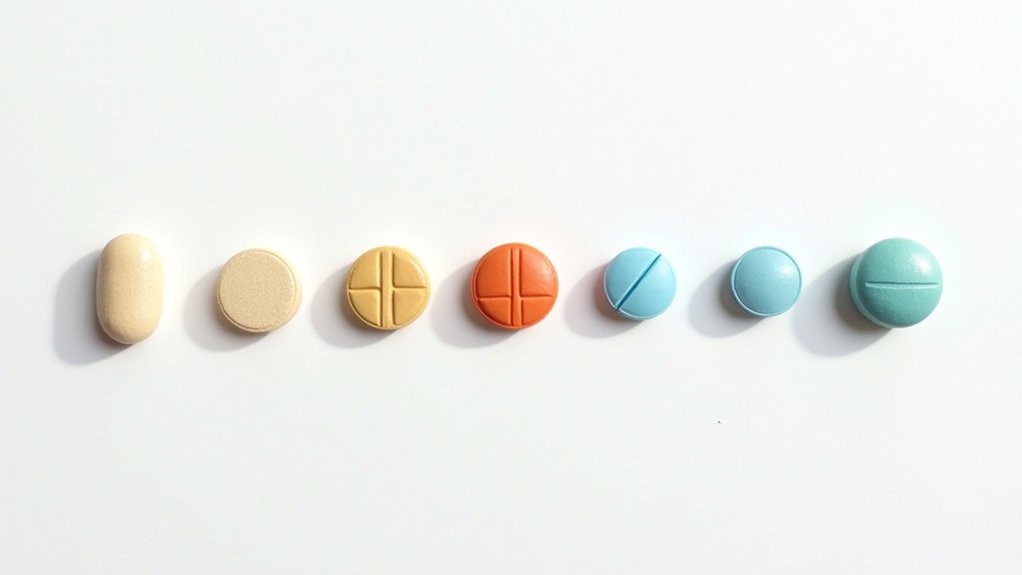
Prices of antidepressants vary widely, but these seven affordable options could help you save hundreds while managing depression effectively.

Get the latest on FDA-approved depression treatments in 2025, from trusted SSRIs to groundbreaking new medications transforming mental health care.

Need to stop antidepressants? Learn the crucial steps to safely taper off medication while managing withdrawal symptoms under medical supervision.

Confidently manage your depression treatment with these seven research-backed strategies that boost medication adherence and improve recovery outcomes.
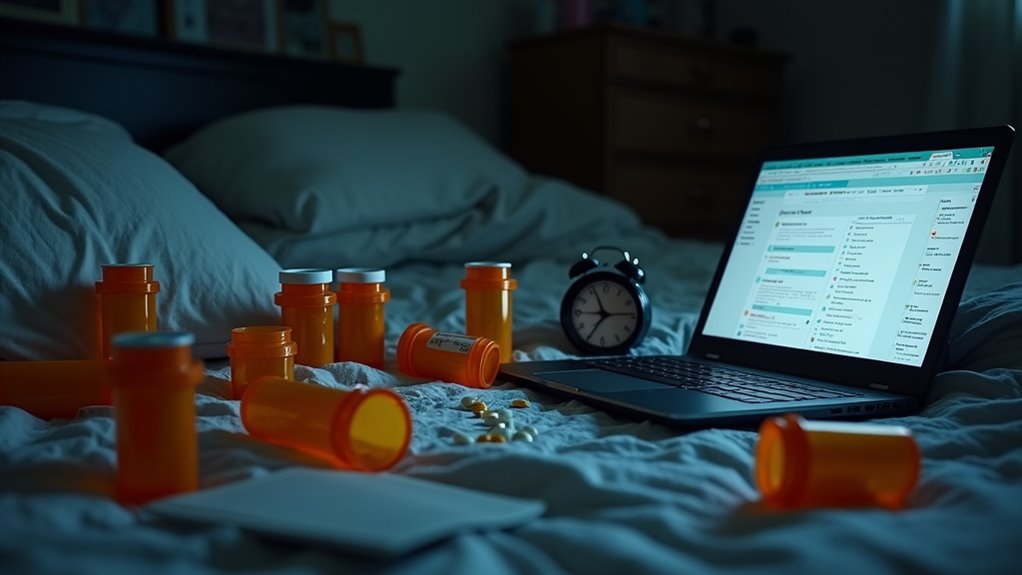
Know these crucial Adderall addiction warning signs that could save your life – from tolerance changes to withdrawal symptoms.
Post-traumatic stress disorder (PTSD) is a diagnosable psychiatric condition that develops when your brain’s fight-or-flight response doesn’t shut off after a traumatic event has ended.
If you’re a young adult with anxiety, your doctor will likely consider four main medication classes. SSRIs, like sertraline, fluoxetine, and escitalopram, account for 67%
Social anxiety disorder isn’t just nervousness before a speech, it’s a persistent, clinically recognized condition that affects roughly 7.1% of U.S. adults in any given
Do You Have Depression or Anxiety? Depression and anxiety are two terms commonly lumped together with many people using both words interchangeably to describe their
The top-ranked antidepressants based on a network meta-analysis of 522 trials include escitalopram, sertraline, paroxetine, mirtazapine, and agomelatine for combined efficacy and tolerability. You’ll also
SSRIs are the most commonly prescribed antidepressants for depression, capturing 55.8% of the global market share in 2024. If your doctor prescribes an SSRI, you’ll
Self-Harm Whether self-harm can lead to post-traumatic stress disorder (PTSD) can be a real worry for some individuals who have practiced self-harm, as well as
How Many Types of Depression Are There? Everybody handles depression in individual ways, but you should know that there are various kinds of depression, and