
Depression Treatment
What Are the Treatment Options for Resistant Depression?
Treatment resistant depression options: compare medications, ketamine, ECT, rTMS, and therapy to find a proven path that works for you.

Treatment resistant depression options: compare medications, ketamine, ECT, rTMS, and therapy to find a proven path that works for you.

Situational depression vs clinical depression: learn the key differences in cause, duration, and treatment to identify which one you’re facing.

High-functioning depression looks like coping while struggling inside. Learn the signs and treatments that bring real relief.

Persistent depressive disorder (dysthymia): learn the symptoms, causes, and treatments to help you take the next step toward relief.

Psychotic depression differs from other types by adding delusions or hallucinations. Learn the symptoms, risks, and when specialized treatment helps.

Chronic illness and depression are deeply linked. Learn the biological and emotional pathways behind this connection and why understanding them helps.

Regular exercise eases depression fast by boosting brain chemicals like serotonin and endorphins, improving your mood during the session itself.

Behavioral activation therapy helps break the cycle of depression by scheduling meaningful activities that restore mood and motivation.

Disability benefits for depression are possible. Learn the SSA criteria, medical proof, and qualification steps for SSDI and SSI.

Depression vs sadness: learn the key signs that reveal when low mood becomes clinical depression and needs attention.

Depression warning signs often appear gradually. Learn to spot the early shifts so you can act before symptoms fully return.

Depression can go away without treatment. Learn recovery odds, timelines, and when to wait versus seek help.

Smiling depression hides real pain behind a happy face. Learn the hidden signs and why people mask their symptoms.

Helping a loved one through depression: learn what to say, what to avoid, and practical ways to support their recovery.

ADHD and depression share hidden neurological links that most people overlook, and missing them could change everything.

With a 21% increased risk of major depression, ADHD’s hidden link to depressive symptoms runs deeper than most people realize.

Studies show ADHD can make depression up to 7.4 times more likely, but the real danger lies in a hidden cycle.

Can ADHD medication actually trigger depression, or does the science tell a surprisingly different story?

Find out why your depression medication may not work for weeks, and what to expect before it finally does.

Our step-by-step guide reveals exactly how to get prescribed antidepressants, but one crucial step catches most people off guard.

Not every healthcare provider can prescribe antidepressants, find out which ones can and who’s best for your needs.

Believe it or not, no law requires therapy to get antidepressants, but there’s a critical step most people overlook.

Here’s what you need to know before searching for antidepressants without a prescription, the answer may surprise you.

Know why SSRIs are never sold over the counter, and what surprising steps you must take before getting a prescription.

Persistent depression may silently trigger significant hair loss, discover the surprising science behind why your mental health could be thinning your hair.

Get the facts on how hair loss raises your depression risk by up to 271%, and what experts say you can do.

Hair loss and depression fuel each other in a vicious cycle, but understanding the surprising link could change everything.

Detox depression hijacks your brain’s chemistry in ways that make recovery feel impossible, but powerful, proven strategies can help you reclaim your joy.
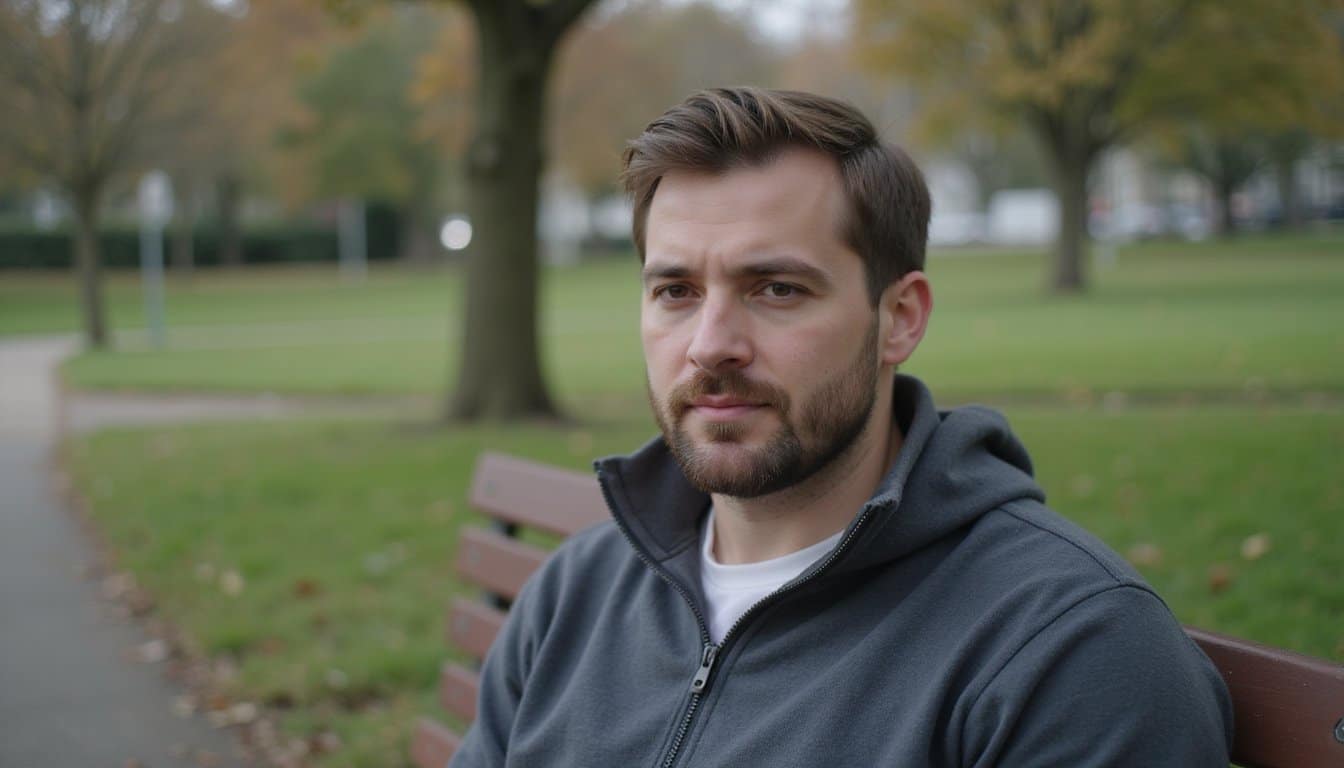
Backed by clinical evidence, these natural depression treatments rival pharmaceuticals, but the most powerful happiness-unlocking strategies may surprise you.
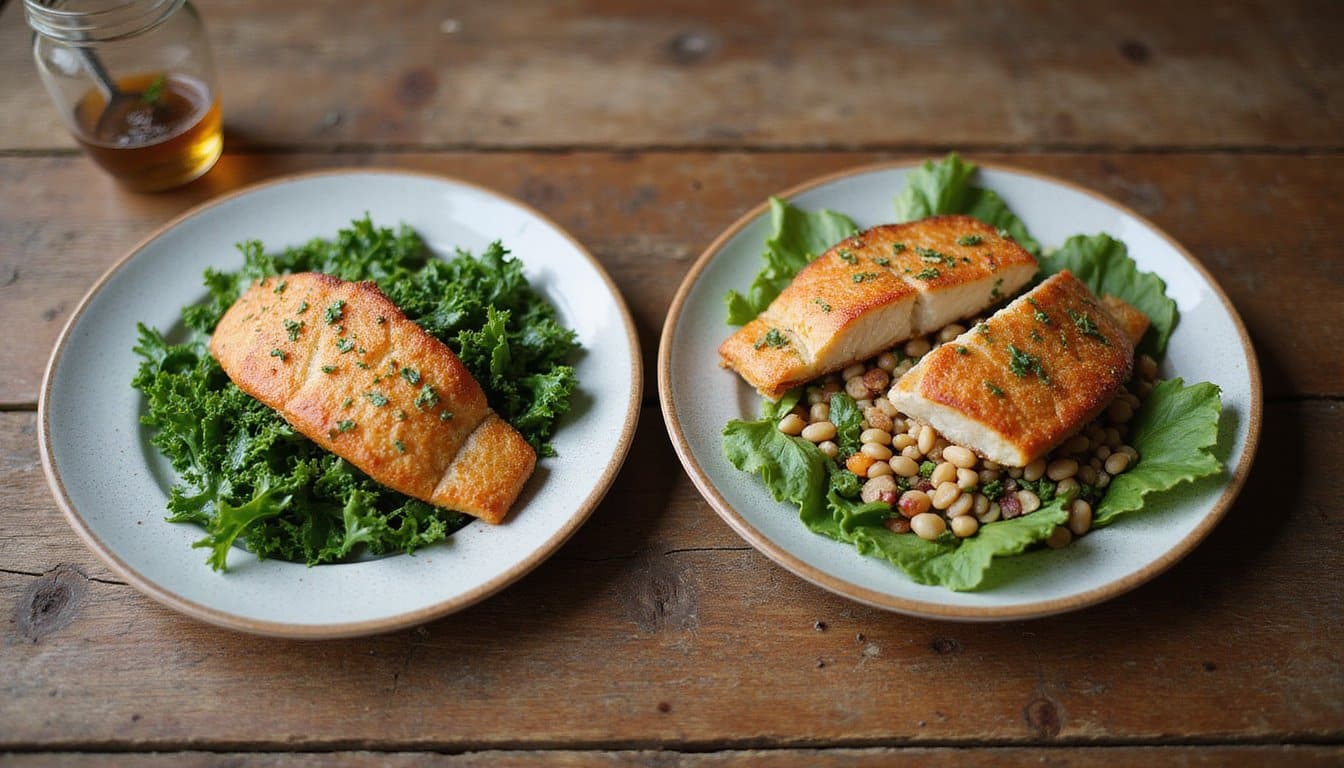
Unlock the science-backed foods that rewire your brain chemistry and dramatically lift depression symptoms, the results may genuinely surprise you.