Depression rarely returns all at once. Instead, it creeps back through subtle shifts you can learn to spot. Watch for sleep disturbances, which often lead the way. You might notice lingering sadness, irritability, or losing interest in activities you once enjoyed. Fatigue, social withdrawal, and slipping concentration are common too. Recognizing these early warning signs matters, because early intervention improves outcomes. Understanding what’s driving these changes can help you respond before symptoms fully settle.
Key Takeaways
- Sleep disturbances often appear first, whether trouble falling asleep, waking too early, or sleeping excessively yet feeling exhausted.
- Persistent sadness, emptiness, or irritability lingers most of the day, signaling a returning low mood.
- Anhedonia sets in as activities you once enjoyed become unappealing, overwhelming, or no longer bring pleasure.
- Fatigue drains your energy, making even simple daily tasks feel exhausting and difficult to complete.
- Concentration slips and social withdrawal grows, making decisions harder and pulling you toward isolation.
Signs Depression Is Coming Back

Signs depression is coming back often begin with subtle mood shifts, such as persistent sadness, emptiness, or irritability that lingers most of the day. You might notice yourself losing interest in activities you once enjoyed, a hallmark of depression recurrence. Sleep disturbances often surface early, whether you’re struggling to fall asleep or sleeping excessively yet still feeling exhausted. Because depression often returns gradually rather than all at once, recognizing these early warning signs gives you a critical window to act before symptoms fully take hold.
Other depression relapse signs include difficulty concentrating, growing social withdrawal, and unexplained physical aches. Your emotions may simply feel “off” compared to your recovered baseline. Catching these changes early lets you reach out for support before symptoms deepen. Physical signs of depression can often manifest in various ways, making it essential to remain vigilant. You might notice changes in your sleep patterns or appetite that signal a potential downturn.
What is a depression relapse
A depression relapse happens when symptoms return after a period of recovery or remission, signaling that the condition is resurfacing rather than emerging for the first time. Unlike your initial episode, a relapse depression pattern often reappears through familiar warning signs your body and mind already recognize. You might notice your mood shifting, motivation fading, or sleep becoming disrupted before the full weight settles in. Amnesia symptoms related to depression can also complicate the recognition of these warning signs. Your ability to recall positive experiences may diminish, making it difficult to combat negative thoughts.
Recognizing depression coming back matters because early intervention improves outcomes and shortens the duration of another episode. A relapse doesn’t mean you’ve failed or that your recovery wasn’t real. It reflects the chronic, recurring nature of depression for many people.
Understanding what a relapse looks like helps you respond quickly, seek support, and protect the progress you’ve worked hard to build.
What are the early warning signs of returning depression
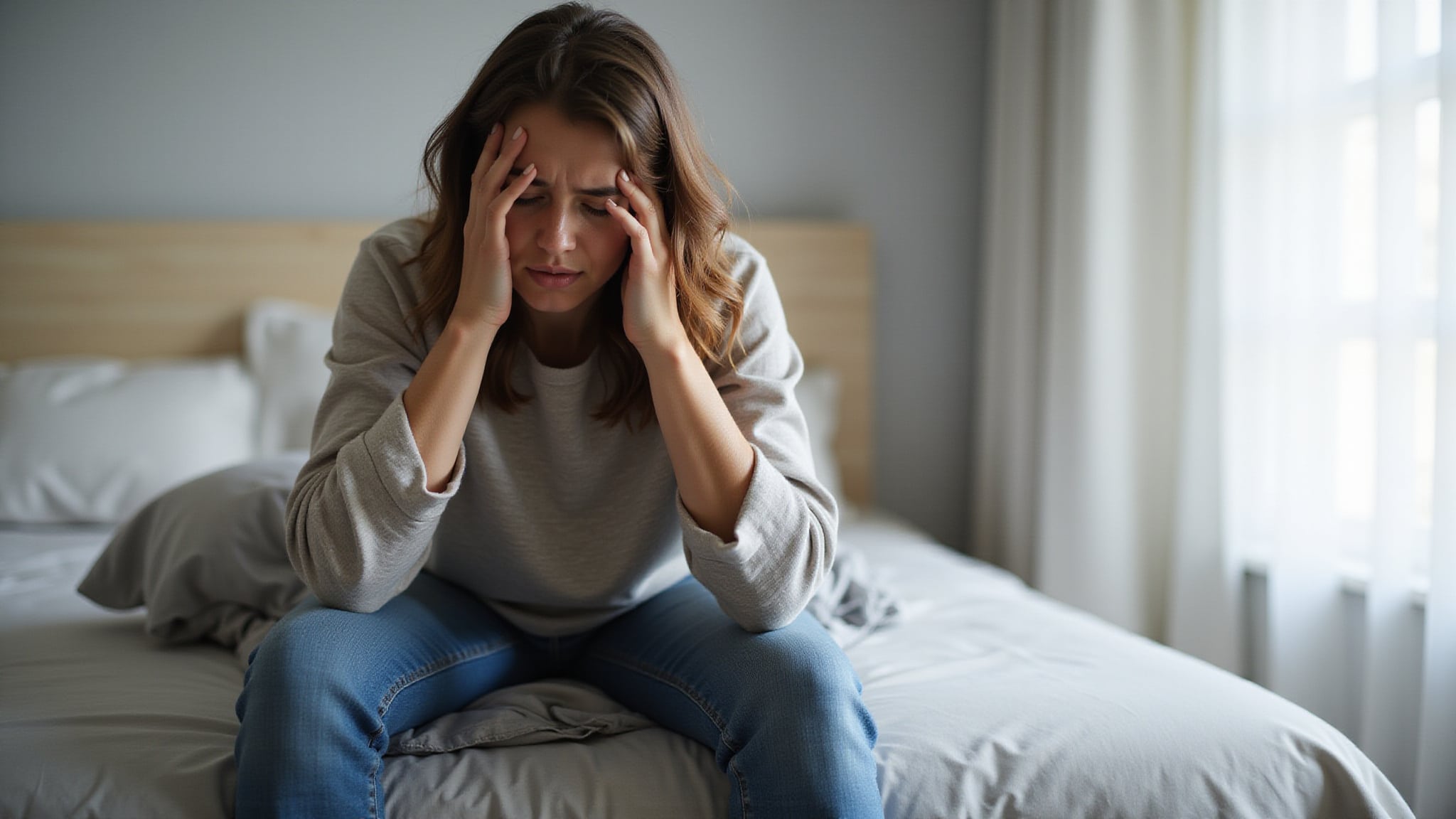
Early warning signs of returning depression include sleep disturbance, which often leads the way. You might struggle to fall asleep, wake too early, or sleep excessively yet still feel exhausted. Watch for creeping sadness, emptiness, or irritability that lingers most of the day. You may notice activities you once enjoyed starting to feel unappealing or overwhelming, a hallmark sign called anhedonia. Fatigue can make simple tasks feel draining, and you might catch yourself pulling away from people you care about. Concentration often slips, making decisions harder than usual. You may also feel restless or on edge, or notice negative self-talk returning. Recognizing these shifts as they emerge, rather than dismissing them, gives you the best chance to intervene before symptoms deepen.
What triggers a depression relapse
Depression relapse is triggered by specific disruptions to your recovered baseline. Stopping your medication or missing therapy appointments removes the support keeping you steady, and symptoms can quietly resurface. Major stressors like losing a job, relationship conflict, or grief can overwhelm your coping resources. Sleep disturbance frequently sets relapse in motion, draining your energy and clouding your thinking. You might notice social apathy pulling you into isolation, which deepens low mood over time. Dwelling on past mistakes fuels worthlessness and pessimism, while unaddressed anxiety heightens agitation. Physical illness, hormonal shifts, and seasonal changes matter too. Recognizing your personal triggers isn’t about blame, it’s about awareness. When you know what destabilizes you, you can act early and protect your progress.
What should you do if depression is coming back

Reach out to your doctor or therapist as soon as you spot changes in your mood, sleep, or energy. Noticing the warning signs early gives you a real advantage, so don’t wait for symptoms to fully take hold before you act. If you’ve stopped medication or skipped appointments, restarting treatment matters most right now. Tell someone you trust what you’re experiencing, because isolation worsens depression, and support helps you stay grounded. Prioritize sleep, movement, and regular meals, since these stabilize your mood even when motivation feels low. Write down your symptoms so you can track patterns and share them clearly with your provider. If you’re having thoughts of self-harm or suicide, seek immediate help, call a crisis line or emergency services without delay.
How can you prevent depression from returning
You can lower your risk of depression returning by building habits that protect your mental health over the long term. Prevention works best when you stay consistent, even during periods when you feel well. Small, steady actions help maintain the stability you’ve worked hard to achieve.
- Stick to your treatment plan. Keep taking prescribed medications and attend therapy appointments, even when symptoms fade.
- Prioritize sleep. Protect a regular sleep schedule, since disrupted rest often signals early relapse.
- Stay connected. Nurture relationships and avoid isolation, which quietly erodes emotional resilience.
- Monitor your warning signs. Track mood, energy, and interest levels so you can act early.
When you catch changes sooner, you protect your long-term recovery.
When should you seek help
Seek help from your doctor or therapist when symptoms persist most of the day for more than two weeks, especially if sleep disturbances, anhedonia, or fatigue start disrupting your daily functioning. Don’t wait for symptoms to worsen. Early intervention often prevents a full relapse. Contact your provider if you’ve stopped taking medications, missed appointments, or noticed your mood feels increasingly “off” compared to your recovered baseline.
Seek immediate help if you’re experiencing suicidal thoughts, self-harm urges, or feelings that life isn’t worth living. These are medical emergencies requiring urgent attention. Call a crisis line or go to the nearest emergency room. Asking for help shows strength, not weakness.
Call Now and Take Back Your Life
Whether you’re facing seasonal depression, persistent low moods, or something you can’t quite name, professional support brings clarity and calm. Through National Depression Hotline serving Georgia, our trained professionals are available 24/7 who can guide you toward the right Depression Treatment program built around your story. Call +1 (866) 629-4564 today and begin a healthier chapter in your life.
Frequently Asked Questions
How Long Does a Depression Relapse Typically Last?
A relapse can last anywhere from a few weeks to several months, and it varies from person to person. Catching it early and getting back into treatment usually shortens it. The longer it goes unaddressed, the more time it tends to take to lift.
Can Depression Relapse Happen Even While Taking Medication?
Yes. A medication that once worked can lose some of its effect, the dose may need adjusting, or added stress can push symptoms back up. A relapse on medication doesn’t mean it has stopped working for good. Tell your doctor early so they can review the dose or plan before things slide further.
Is a Relapse More Severe Than the First Episode?
Not always, but it can be. Some people notice symptoms return faster or feel a sharper sense of hopelessness the second time around. The upside is that you already know your warning signs and what helped before, which makes it easier to act quickly.
How Common Are Depression Relapses After Recovery?
They’re fairly common. Roughly half of people who recover from one episode will have another at some point, and the risk rises with each episode. Staying with treatment, keeping steady routines, and watching for early signs all lower that risk.
Can Lifestyle Changes Alone Prevent a Depression Relapse?
Healthy habits like regular exercise, good sleep, and staying connected genuinely help lower the risk, but they usually work best alongside therapy or medication rather than in place of them. Think of lifestyle changes as strong support for your recovery, not a full replacement. If early warning signs show up, reach out to a professional.