Yes, depression can directly impact your hair. When you’re dealing with chronic stress and heightened cortisol levels, your body can push up to 70% of hair follicles into the telogen (resting) phase, causing diffuse thinning known as telogen effluvium. Research shows major depressive disorder increases your hair loss risk by 90%. The good news, once cortisol normalizes, follicles can reactivate. Understanding the specific mechanisms and hair loss types involved will help you take targeted action.
Can Depression Actually Cause Hair Loss?
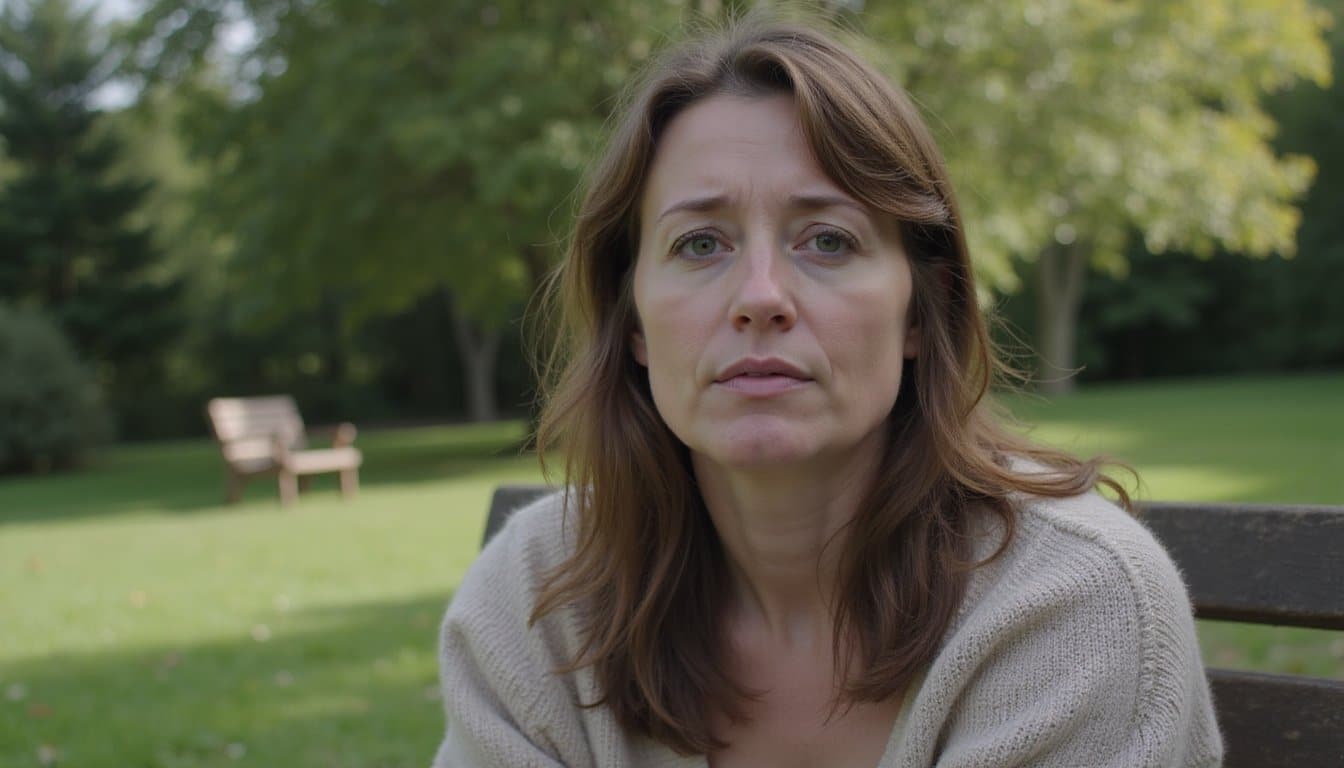
While depression and hair loss frequently occur together, current evidence doesn’t support a direct causal link between depression and follicle damage or permanent hair loss. Research identifies depression as an indirect contributor through overlapping stress physiology, behavioral changes, and medication effects.
So can depression cause hair loss? The data points to a bidirectional association. A large-scale review of over 6 million people found that individuals with major depressive disorder had a 90% higher risk of developing hair loss, while those experiencing hair loss had a 34% higher risk of developing depression.
Depression can trigger shedding through chronic stress hormones, disrupted sleep, nutritional deficiencies, and reduced self-care. These pathways don’t destroy follicles directly but can shift hair into its resting phase, increasing diffuse thinning across your scalp. Additionally, inflammation and immune dysregulation associated with depression can further disrupt normal hair growth cycles.
How Depression Disrupts Your Hair Growth Cycle
Because depression sustains heightened cortisol output over weeks or months, it can shorten the anagen (active growth) phase of your hair follicles and push a larger percentage into telogen, the resting phase. This shift means fewer follicles actively produce hair simultaneously, reducing visible density. Shedding typically appears diffuse rather than patchy, consistent with telogen effluvium, a well-documented pattern linking depression and hair loss.
Stress-induced inflammatory cytokines and reduced BDNF levels further compromise dermal papilla cell function, slowing follicular regeneration. Depression also disrupts sleep, appetite, and nutritional intake, compounding hormonal dysregulation that destabilizes your growth cycle. Additionally, certain antidepressants like SSRIs may themselves trigger temporary hair shedding, making it important to consult your doctor if you notice increased loss after starting medication.
The reassuring detail: telogen effluvium doesn’t destroy follicles permanently. Once you address the underlying trigger, regrowth typically resumes within three to six months as follicles re-enter anagen.
Three Types of Hair Loss Linked to Depression

When depression affects your hair, the loss typically falls into one of three patterns. Telogen effluvium causes diffuse shedding as stress pushes follicles prematurely into the resting phase, alopecia areata produces patchy loss driven by immune dysregulation, and trichotillomania results in self-inflicted hair removal linked to compulsive pulling behavior. Each type has a distinct mechanism, and identifying which one you’re experiencing is essential for effective treatment. In all three cases, high cortisol levels from chronic depression can further disrupt the normal hair growth cycle, compounding the problem.
Telogen Effluvium
Telogen effluvium (TE) is a diffuse, temporary shedding disorder that occurs after a stressor pushes a large number of hair follicles into the resting (telogen) phase simultaneously. Shedding typically begins 2, 3 months after the trigger, which can include depression, chronic psychological stress, or antidepressant medication use. Most cases resolve within 3, 6 months once the stressor is addressed.
| Feature | Detail |
|---|---|
| Pattern | Diffuse thinning, often on top of scalp |
| Onset | 2, 3 months post-stressor |
| Duration | Typically under 6 months |
| Scarring | No |
| Reversibility | Yes, with trigger resolution |
A 2026 case-control study found considerably higher depression scores (BDI, p<0.001) in TE patients compared to controls. Persistent shedding warrants evaluation for thyroid disease, iron deficiency, or medication effects.
Alopecia Areata
The psychological burden doesn’t scale neatly with disease severity. Stigma, not patch size, often drives depression and anxiety in AA. Younger females and non-White individuals show particularly heightened mental-health impact. Facial hair loss, eyebrows and eyelashes, intensifies distress because it alters visible identity. AA’s recurrent, unpredictable course can sustain chronic low mood, making integrated dermatologic and psychiatric evaluation essential.
Trichotillomania
Three distinct hair-loss patterns share strong links to depression: telogen effluvium, stress-related diffuse shedding, and trichotillomania, a compulsive hair-pulling disorder that functions as a maladaptive coping behavior during emotional distress.
If you’re experiencing trichotillomania, you may pull hair from your scalp, eyebrows, eyelashes, or other body areas during periods of sadness, tension, or frustration. The resulting depression hair loss typically appears irregular and patchy, with broken hairs of varying lengths rather than diffuse thinning.
This condition creates a feedback loop: emotional distress drives pulling, and visible hair loss intensifies shame and further distress. Because trichotillomania’s patchy pattern can mimic other conditions, clinical assessment is essential for accurate diagnosis. Identifying the behavioral component allows targeted intervention addressing both the pulling urge and underlying emotional triggers.
What Cortisol and Stress Do to Hair Follicles

When you’re dealing with chronic stress or depression, your body produces excess cortisol, which directly disrupts your hair follicles‘ growth cycle and pushes them prematurely into the resting phase. Increased cortisol can force up to 70% of your hair follicles into this resting state, leading to noticeable shedding days to months after the stressor begins. Over time, sustained cortisol exposure suppresses hair follicle stem cell activation and degrades the extracellular environment surrounding each follicle, weakening its ability to produce new hair.
Cortisol Disrupts Hair Growth
Because cortisol is the body’s primary stress hormone, its elevation during depressive episodes can directly impair hair follicle function. High cortisol pushes follicles from active growth into an extended resting phase, delaying regeneration. Research shows cortisol acts on the dermal papilla, suppressing GAS6 secretion, a molecule your hair follicle stem cells need for activation.
This cortisol-driven suppression creates a measurable delay. You won’t notice shedding immediately; it typically appears days, weeks, or even months after the stress response begins. Cortisol imbalance also generates oxidative stress within the follicle, disrupting cellular communication during regeneration cycles.
Your hair follicles contain a local HPA-like axis that produces cortisol independently, amplifying systemic stress effects. The resulting follicle suppression is generally temporary and may resolve once cortisol levels stabilize.
Stress Triggers Early Shedding
Acute stress can force a disproportionate number of hair follicles into the resting (telogen) phase simultaneously, producing a wave of shedding known as telogen effluvium. Research indicates that stressful episodes may shift about 70% of follicles into resting, creating diffuse thinning across your scalp rather than localized patches. This stress-related hair loss typically appears days to months after the triggering event.
Critically, this shedding reflects a reversible cycling disruption, not follicle destruction. National Institute on Aging research identified a specific mechanism: stress hormones prevent your dermal papilla from secreting GAS6, a molecule required to activate hair follicle stem cells. Without GAS6, follicles remain locked in an extended resting phase. Once your stressor resolves, regrowth commonly begins within a few months as normal follicle cycling resumes.
Chronic Stress Weakens Follicles
Although acute stress triggers a temporary wave of shedding, chronic stress inflicts deeper damage by altering how your follicles function at a cellular level. Sustained cortisol elevation suppresses hair follicle stem cells by blocking GAS6 secretion from dermal papilla cells, keeping follicles locked in a prolonged resting phase.
Your follicles also contain a local stress-response system that synthesizes cortisol independently, meaning chronic stress disrupts signaling from both systemic and localized pathways. This compounded exposure weakens the follicle’s ability to re-enter active growth, extending hair shedding beyond what acute stress alone produces.
Oxidative stress further damages follicle cycling mechanisms, impairing tissue regeneration. However, this suppression is typically reversible, once cortisol normalizes, follicles can reactivate and new growth often appears within a few months.
Why Hair Loss and Depression Feed Each Other
When depression persists, increased cortisol can disrupt the hair-growth cycle by shifting follicles prematurely into the resting (telogen) phase, a process known as telogen effluvium. This shedding typically appears weeks to months after the stressful period, making the connection between hair loss and depression easy to miss. Fatigue’s link to mental health can further complicate recovery from such conditions. It often leads to an overwhelming sense of exhaustion that may exacerbate symptoms of depression and anxiety.
The cycle reinforces itself through multiple pathways:
- Immune dysregulation from depression triggers microinflammation around follicles, accelerating shedding.
- Visible hair loss damages self-image, increasing depressive symptoms by 1.5 to 2 times in affected individuals.
- Reduced self-care during depressive episodes deprives follicles of essential nutrients and consistent maintenance.
- Sleep disruption compounds stress physiology, further elevating cortisol and prolonging telogen shifts.
Breaking this feedback loop requires integrated dermatological and mental health support.
Can Antidepressants Make Hair Loss Worse?
Treating depression with medication introduces another variable into the hair loss equation. Antidepressant side effects can include hair shedding, though this remains uncommon, estimated at roughly 1 in 100 patients or fewer. The typical pattern is telogen effluvium, where follicles prematurely shift into their resting phase, producing diffuse thinning rather than patchy loss.
SSRIs like fluoxetine, sertraline, and escitalopram appear most frequently in case reports, while bupropion carries a comparatively higher relative risk. Onset ranges from days to years after starting treatment, with a median around 8.6 weeks. The shedding is generally reversible once you discontinue or switch the suspected medication.
If you’re noticing increased shedding after starting an antidepressant, don’t stop treatment independently, consult your prescriber to weigh options.
How to Regrow and Protect Hair During Depression
Because depression disrupts the very habits that keep hair healthy, nutrition, sleep, stress management, and daily care, regrowth depends on addressing both the mental health condition and the physical factors feeding the loss. The chronic illness and mental health connection is often overlooked, yet it plays a significant role in overall well-being. Understanding how these two aspects interact can lead to more effective treatment strategies.
Prioritize these four steps to protect and rebuild hair during depression:
- Correct nutritional gaps, ensure adequate protein, iron, vitamin D, and zinc intake, since depression-related appetite changes starve follicles of growth inputs.
- Treat the underlying depression, therapy, exercise, and sleep regulation lower cortisol levels that push follicles into resting phase.
- Simplify your hair-care routine, wash 2, 3 times weekly with sulfate-free shampoo, detangle with conditioner, and avoid heat or tight styles.
- Protect hair overnight, use silk pillowcases and loose styles to minimize friction-related breakage.
Persistent hair loss warrants medical evaluation for treatable causes.
Reach Out Today and Find Real Support
The emotional impact of hair loss can feel isolating, and depression tied to appearance changes deserves real support and understanding. Through National Depression Hotline serving Palm Beach County, our trained professionals are available 24/7 who can guide you toward the right Depression Treatment program for your needs. Call +1 (866) 629-4564 today and take the first step toward healing.
Frequently Asked Questions
Does Hair Lost From Depression Grow Back Thicker or Thinner?
Hair lost from depression-related shedding typically grows back at your baseline thickness, not thicker. You shouldn’t expect regrowth to exceed your hair’s original density. Early regrowth may initially appear finer, but this reflects normal hair-cycle recovery rather than permanent thinning. If you’re experiencing prolonged shedding beyond three to six months, you’ll want a medical evaluation to rule out other causes like androgenetic alopecia or nutritional deficiencies that can independently affect density.
Can Children Experience Depression-Related Hair Loss?
Yes, children can experience depression-related hair loss. Emotional stress raises cortisol levels, which can push hair follicles into the resting phase early and trigger telogen effluvium. Children may also develop alopecia areata or trichotillomania alongside depression and anxiety. The relationship is often bidirectional, hair loss can worsen your child’s self-esteem and social comfort, deepening emotional distress. A pediatric dermatology evaluation helps identify overlapping causes and guide appropriate treatment.
Should I Switch Antidepressants if My Hair Starts Thinning?
Don’t stop or switch antidepressants on your own, abrupt changes can trigger withdrawal and worsen depression. Hair thinning often reflects stress-related telogen effluvium, nutritional gaps, or thyroid issues rather than the medication itself. You should first get a dermatologic evaluation to rule out other causes, then discuss timing and options with your prescriber. Tracking when shedding started relative to dose changes helps your clinician determine the actual trigger.
How Long After Depression Improves Does Hair Loss Stop?
Hair loss often continues for weeks to months after depression improves because follicles shifted into the resting phase earlier in the stress cycle. You’ll typically notice shedding slow down within 3 to 6 months, but meaningful regrowth in visible density can take 6 to 12 months. If an antidepressant contributed, improvement often occurs within 6 months after discontinuation. Look for short regrowing hairs near your hairline as an early sign of recovery.
Are Certain Hair Types More Vulnerable to Stress-Related Shedding?
No hair type is fully immune to stress-related shedding, but visibility varies. If you have fine hair, you’ll notice volume loss sooner because fewer strands create fullness. Longer hair makes shed strands more conspicuous on brushes and clothing. Curly or coily textures can mask early thinning until part lines widen. Chemically treated or traction-styled hair faces added breakage risk, amplifying shedding’s apparent severity regardless of your biological susceptibility.