Natural ways to treat depression are backed by robust clinical evidence. St. John’s Wort matches SSRI efficacy with a 23% lower adverse event risk. Saffron achieves an 85% complete response rate, while DHEA normalizes critical neurosteroid ratios. Your diet, exercise routine, and sleep habits directly influence brain chemistry through measurable neurobiological pathways. Combining these evidence-based strategies may produce results that rival pharmaceutical interventions, and there’s far more to uncover about each approach.
The Science Behind Natural Antidepressants

While pharmaceuticals dominate clinical depression treatment, a growing body of research has identified several natural compounds with measurable antidepressant properties. These substances influence core neurochemical pathways, including serotonin, dopamine, and norepinephrine, the same targets conventional medications address. Drugs for treating depression effectively can sometimes lead to unwanted side effects that deter patients from sticking with their prescribed regimen.
St. John’s Wort leads the evidence base with 38 trials, its active compound hyperforin delivering response rates of 55.1% versus 22.3% for placebo. Saffron extract follows closely, matching standard antidepressants across six or more randomized controlled trials with a favorable risk-benefit profile. Omega-3 fatty acids show mixed but substantive findings across 39 trials. Vitamin D supplementation demonstrates a positive lean across 14 trials, particularly when combined with standard therapies. You’re looking at compounds that don’t just theoretically interact with mood pathways, they’ve been clinically tested. In total, 64 different OTC products have been evaluated in clinical trials, reflecting the breadth of natural options being rigorously investigated for depression.
The Best Herbal Supplements for Depression Relief
When exploring herbal supplements for depression relief, you’ll find that St. John’s Wort stands out as the most clinically validated option, with a 2008 study confirming its effectiveness equals that of prescribed antidepressants for mild-to-moderate cases while producing fewer side effects. Saffron’s 2020 meta-analysis of 12 studies demonstrated superior symptom reduction compared to placebo, with antidepressant efficacy comparable to certain medications and the added benefit of anti-inflammatory and antioxidant properties. You should also be aware of DHEA and glycine, two compounds with emerging evidence for mood regulation through neurobiological pathways that complement the mechanisms underlying herbal interventions. Herbs such as ashwagandha, rhodiola, and valerian root may also support mental wellness by strengthening the nervous system and building resilience against stress.
St. John’s Wort Benefits
Among herbal interventions for depression, St. John’s Wort demonstrates clinically meaningful efficacy for mild-to-moderate depression. It modulates the serotonin transporter comparably to selective serotonin reuptake inhibitors and serotonin norepinephrine reuptake inhibitors, without equivalent adverse-event burdens. Natural remedies for managing depression can complement traditional treatments and provide holistic support.
| Metric | Finding |
|---|---|
| Placebo response rate | 15% vs. 56% (St. John’s Wort) |
| SSRI equivalence | Confirmed across 3,126 patients |
| Adverse event risk | 23% lower than SSRIs |
| Remission (ITT analysis) | 14.3% vs. 4.9% placebo |
| Evidence base | 29 studies, 5,489 participants |
For major depressive disorder presentations in mild-to-moderate ranges, its safety profile and cost-effectiveness make it a clinically defensible option. Severe presentations, however, require pharmacological escalation beyond what St. John’s Wort reliably delivers. St. John’s Wort has been used as a therapeutic intervention for depression in Germany for more than 100 years, establishing one of the longest real-world safety and efficacy records of any herbal antidepressant compound.
Saffron’s Antidepressant Properties
Saffron (*Crocus sativus*) has accumulated a clinical evidence base that places it among the most pharmacologically credible herbal antidepressants available. Five high-quality randomized controlled trials (mean JADAD score: 5) demonstrate that 30 mg/day produces a large effect size (ES = 1.62) versus placebo while matching fluoxetine and imipramine equivalently (ES = −0.15). Its bioactive compounds, crocin, crocetin, safranal, inhibit serotonin reuptake, elevate brain-derived neurotrophic factor, and upregulate CREB phosphorylation, producing measurable changes across the hippocampus, prefrontal cortex, and amygdala. By modulating the hypothalamic-pituitary-adrenal axis, saffron attenuates dysregulated cortisol secretion that sustains depressive neurobiology. You’ll also benefit from reduced neuroinflammation and oxidative stress. With an 85% complete response rate and fewer side effects than sertraline, saffron represents a clinically legitimate option for mild-to-moderate depression.
DHEA and Glycine Effects
DHEA (dehydroepiandrosterone) stands out as one of the few endogenous neurosteroids with a clinical evidence base strong enough to support its consideration as a legitimate antidepressant intervention. Meta-analysis across 15 RCTs involving 853 individuals confirmed a standardized mean difference of -0.28 versus placebo. Clinical trials using 30, 90 mg daily normalized plasma DHEA-to-cortisol ratios, producing 48, 72% depression rating improvements in treatment-resistant patients. Glycine supports complementary mechanisms, enhancing sleep architecture and stabilizing circadian rhythm signaling alongside melatonin. Pairing DHEA with folate and magnesium addresses cofactor deficiencies that undermine neurosteroid synthesis. When combined with cognitive behavioral therapy, these interventions target overlapping neurobiological pathways. Secondary benefits include improved semantic memory and sexual functioning, reinforcing DHEA’s utility beyond mood symptom reduction alone.
What to Eat When You’re Fighting Depression
What you eat directly influences the neurobiological mechanisms underlying depression, with omega-3 fatty acids from sources like salmon, sardines, and mackerel providing EPA and DHA that reduce neuroinflammation and support serotonin receptor function. The Mediterranean diet, built on vegetables, legumes, fish, and extra virgin olive oil, has demonstrated measurable antidepressant effects in randomized controlled trials, with adherents showing markedly lower depression risk than those consuming processed, pro-inflammatory diets. Prioritizing nutrient-dense foods high in folate, magnesium, zinc, selenium, and B vitamins, including spinach, oysters, lentils, and whole grains, directly supports the monoamine neurotransmitter synthesis and HPA axis regulation that depression disrupts.
Omega-3 Rich Foods
Among the dietary interventions studied for depression, omega-3 fatty acids carry some of the most mechanistically coherent and clinically substantiated evidence, operating through anti-inflammatory pathways that directly address one of depression’s primary neurobiological drivers. When you’re working toward brain chemistry balance, omega-3 supplementation at 3, 4 g/day reduces depressive symptoms by targeting inflammation that disrupts dopamine regulation and serotonin boosting activities at the neurobiological level. Nutrition and mental health research confirms that an anti-inflammatory diet for depression centered on omega-3-rich foods, fatty fish, walnuts, flaxseed, supports measurable mood improvements. Combination with SSRIs produces superior HDRS score reductions compared to either alone. If you’re vegan or vegetarian, you’re at elevated depression risk from long-chain PUFA deficits, making supplementation particularly critical.
Mediterranean Diet Benefits
Extending the anti-inflammatory dietary framework beyond isolated omega-3 supplementation, the Mediterranean diet operationalizes those same neurobiological targets, neuroinflammation, monoamine synthesis, gut-brain signaling, through a detailed whole-food pattern that clinical trials have now tested directly against depression outcomes. In a 12-week RCT, BDI-II scores dropped by 14.4 points more in Mediterranean diet participants versus controls. A five-trial meta-analysis confirmed antidepressant effects (SMD=-0.53). For diet for depression recovery, you’ll prioritize vegetables, fruits, whole grains, nuts, fish, and olive oil, compounds that modulate gut microbiota, complement aerobic exercise, and parallel mechanisms targeted by curcumin and ashwagandha supplementation. Two or more daily vegetable servings independently reduced symptoms. Combined with sunlight exposure and mood regulation and mindfulness meditation, consistent dietary adherence correlates meaningfully with reduced PHQ-9 scores (r=-0.126, p=0.003).
Nutrients That Fight Depression
While the Mediterranean diet provides a validated framework for anti-inflammatory eating, identifying the specific nutrients driving its antidepressant effects lets you target them more precisely, whether through whole foods, dietary adjustment, or supplementation.
Research identifies twelve core antidepressant nutrients: omega-3 fatty acids, B vitamins (particularly B6, B9, B12), minerals including zinc, magnesium, selenium, and iron, plus vitamin A and vitamin C. Higher omega-3 intake reduces major depressive disorder risk by 2, 65%. Low B vitamins directly worsen antidepressant medication response. Each 5g increase in dietary fiber reduces depression risk by 5%.
Prioritize plant foods, watercress, spinach, and Swiss chard score highest. Quercetin-rich kale, berries, and onions function as natural MAO inhibitors, elevating serotonin and dopamine. Seafood like oysters and salmon delivers concentrated omega-3s efficiently.
How Exercise Works as a Natural Antidepressant
Exercise earns its place as one of the most evidence-backed natural antidepressants not through vague mood-lifting effects but through discrete, measurable neurobiological mechanisms that target the same circuits implicated in major depressive disorder. It boosts dopamine, serotonin, and noradrenaline while enhancing hippocampal volume and prefrontal cortical integrity, structures depression actively degrades. Walking or jogging produces depression reductions at Hedges’ g of -0.62, outperforming many pharmacological benchmarks. Physical activity for depression relief works dose-dependently: even half the recommended volume lowers depression risk by 18%. At 2.5 hours weekly, that figure reaches 25%. Behavioral activation therapy principles align naturally here, you’re not just moving your body; you’re restructuring neuroinflammatory burden, reducing CRP and IL-6, and restoring ventral striatum responsivity. Three to five sessions weekly remains the evidence-supported target.
Mindfulness Practices That Calm a Depressed Mind
Movement restructures the brain’s depressed architecture through mechanisms you can measure on a scan, but it doesn’t address the cognitive layer depression builds on top of that biology, the ruminative thinking patterns, the automatic negative appraisals, the emotional dysregulation that sustain depressive episodes even when neurochemistry stabilizes.
Mindfulness-Based Cognitive Therapy delivers here. As a natural depression treatment, MBCT reduces relapse rates from 66% to 37% in patients with recurrent episodes. Meditation for mood disorders produces amygdala activation changes detectable on fMRI within two months. Yoga therapy and relaxation techniques for anxiety and depression strengthen nervous system regulation through sustained interoceptive awareness. Emotional regulation strategies embedded in MBCT outperform maintenance antidepressants at preventing recurrence. Supplements like rhodiola rosea support these practices by modulating stress-response pathways, reinforcing the neurobiological gains mindfulness initiates.
Sleep, Sunlight, and Daily Habits That Ease Depression
Sleep doesn’t just accompany depression, it actively maintains it. Cognitive behavioral therapy for insomnia reduces sleep onset latency and achieves lasting remission up to 36 months, directly improving sleep improvement for mood balance. Sunlight therapy for depression via 10,000-lux bright light exposure within your first waking hour produces antidepressant effects comparable to pharmacotherapy through circadian correction and sleep phase advance.
| Intervention | Mechanism | Outcome |
|---|---|---|
| CBT-i | Reduces SOL, WASO | Depression remission |
| Bright light therapy | Circadian phase advance | Sustained mood improvement |
| Gratitude practice + breathing exercises for stress relief | HPA axis regulation | Reduced negative emotional reactivity |
Establishing daily habits for mental health, consistent sleep timing, morning light, and gratitude practice benefits, corrects the rhythm disturbances linking depression to poorer outcomes. Regular exercise can also serve as a powerful way to detox depression. Engaging in physical activity releases endorphins that enhance mood and reduce feelings of anxiety.
The Best Natural Depression Treatments to Combine
When no single natural intervention addresses every neurobiological pathway disrupted in depression, combining evidence-based approaches produces additive and synergistic effects that exceed what any standalone treatment achieves. Lifestyle therapy for depression works best as a coordinated protocol. Pair aerobic exercise with an anti-inflammatory diet rich in omega-3s, vegetables, and whole grains, foods that improve mood by reducing neuroinflammation and supporting gut-brain signaling. Add mindfulness meditation for HPA axis regulation and supplements for depression support, including St. John’s wort, SAM-e, or L-methylfolate, depending on your presentation. Holistic mental health care integrating yoga, nature exposure, and consistent sleep amplifies each intervention’s neurobiological impact. These natural mood boosters and alternative depression treatments collectively target serotonin, BDNF, cortisol, and inflammatory pathways simultaneously, producing outcomes no single natural remedy for depression achieves alone.
Call Today and Discover What Works for You
From natural remedies to medical care, exploring depression treatment options is easier when you have someone in your corner. Through National Depression Hotline serving Boynton Beach, our trained professionals are available 24/7 who can guide you toward the right Depression Treatment program built around your goals. Call +1 (866) 629-4564 today and begin a healthier chapter in your life.
Frequently Asked Questions
Can Natural Treatments Fully Replace Antidepressant Medications for Severe Depression?
Natural treatments can’t fully replace antidepressants for severe depression. You’re dealing with a presentation where pharmacological and clinical interventions are medically necessary. While exercise, sleep optimization, and lifestyle interventions produce genuine neurobiological changes, they’re supplemental, not replacements, for severe, psychotic, or treatment-resistant depression. The evidence supporting natural approaches is strongest for mild-to-moderate cases. Always consult your healthcare provider before modifying any prescribed treatment regimen.
How Long Before Natural Depression Treatments Produce Noticeable Symptom Improvements?
You’ll typically notice meaningful symptom improvements within 4, 8 weeks of consistent natural treatment. Exercise can shift mood within single sessions through acute BDNF and serotonin increases, but structural neurobiological changes require 6, 12 weeks. Herbal interventions like St. John’s Wort and saffron extract demonstrate clinically significant Hamilton score reductions at 6 weeks in controlled trials. Sleep optimization often produces faster improvements, sometimes within 1, 2 weeks of consistent circadian stabilization.
Are Natural Depression Remedies Safe for Children and Teenagers to Use?
Many natural approaches are safe for your child when used appropriately. Lavender, chamomile, and lemon balm carry strong safety profiles across pediatric age groups. However, you must exercise caution with supplements like St. John’s Wort and 5-HTP, as they risk serotonin syndrome when combined with antidepressants. Behavioral interventions, exercise, sleep optimization, mindfulness, and nutrition, carry minimal risk and meaningful evidence. Always consult a qualified clinician before introducing any supplement into your child’s treatment plan.
Can Natural Approaches Help With Treatment-Resistant Depression That Hasn’t Responded to Medication?
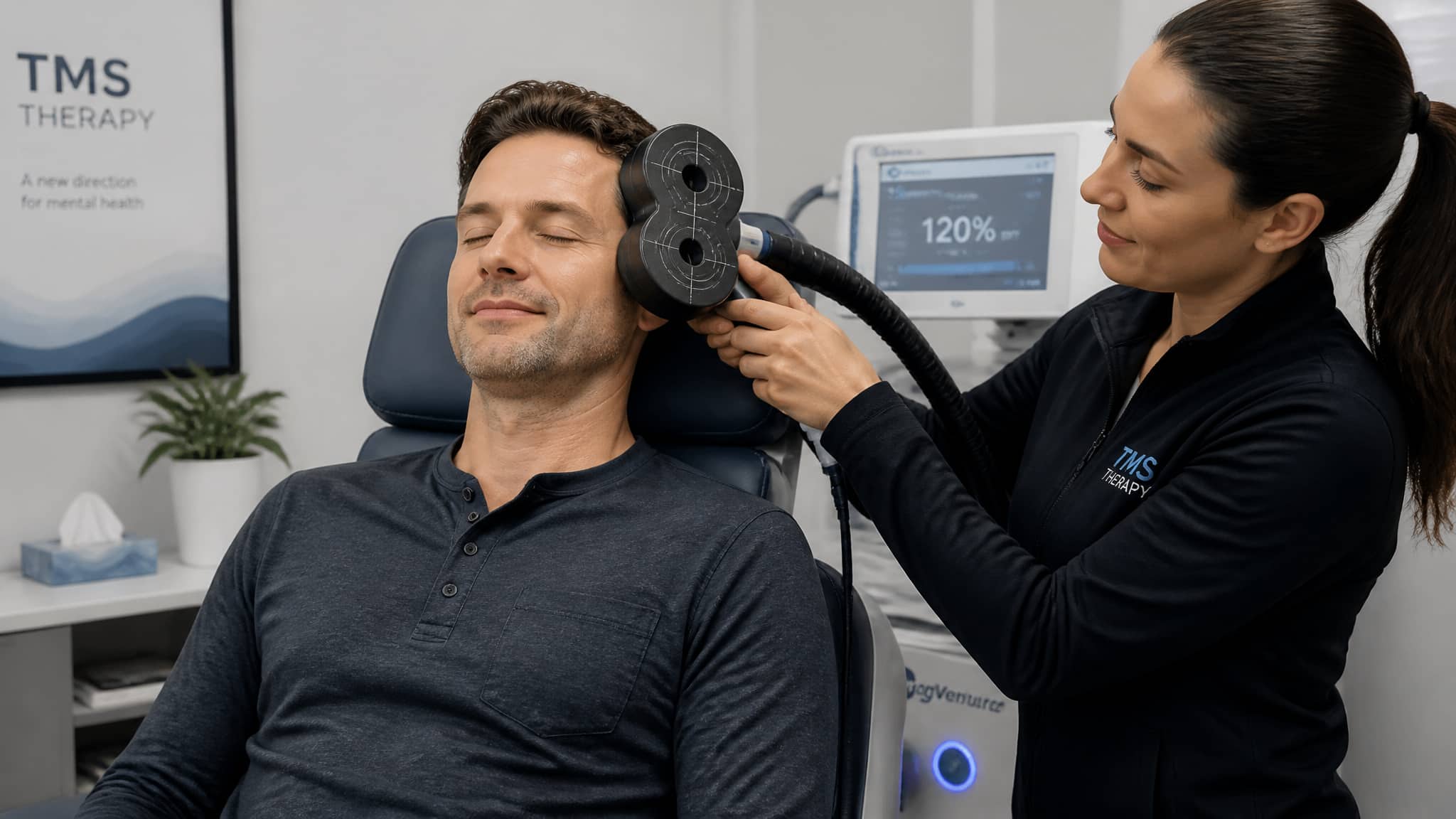
Yes, natural approaches can complement treatment for your treatment-resistant depression, though they’re unlikely to work alone. Exercise, omega-3 EPA supplementation, and MBCT show meaningful benefits even when medications haven’t worked. Emerging interventions like ketamine-assisted therapy and TMS achieve 50-70% response rates specifically in treatment-resistant cases. You’ll achieve better outcomes combining these approaches rather than replacing medication entirely, comprehensive lifestyle interventions reach 70-80% success rates when integrated with clinical treatment.
Should I Consult a Doctor Before Stopping Antidepressants for Natural Alternatives?
Yes, you should absolutely consult your doctor before stopping antidepressants. Abruptly discontinuing medication can trigger dangerous withdrawal syndrome, worsen depression, and increase suicidal ideation risk. Your doctor will implement a gradual tapering protocol to minimize these risks. Natural interventions like exercise and sleep optimization work best as complements during medically supervised discontinuation, not replacements initiated unilaterally. Professional monitoring safeguards your progression remains safe and clinically sound.