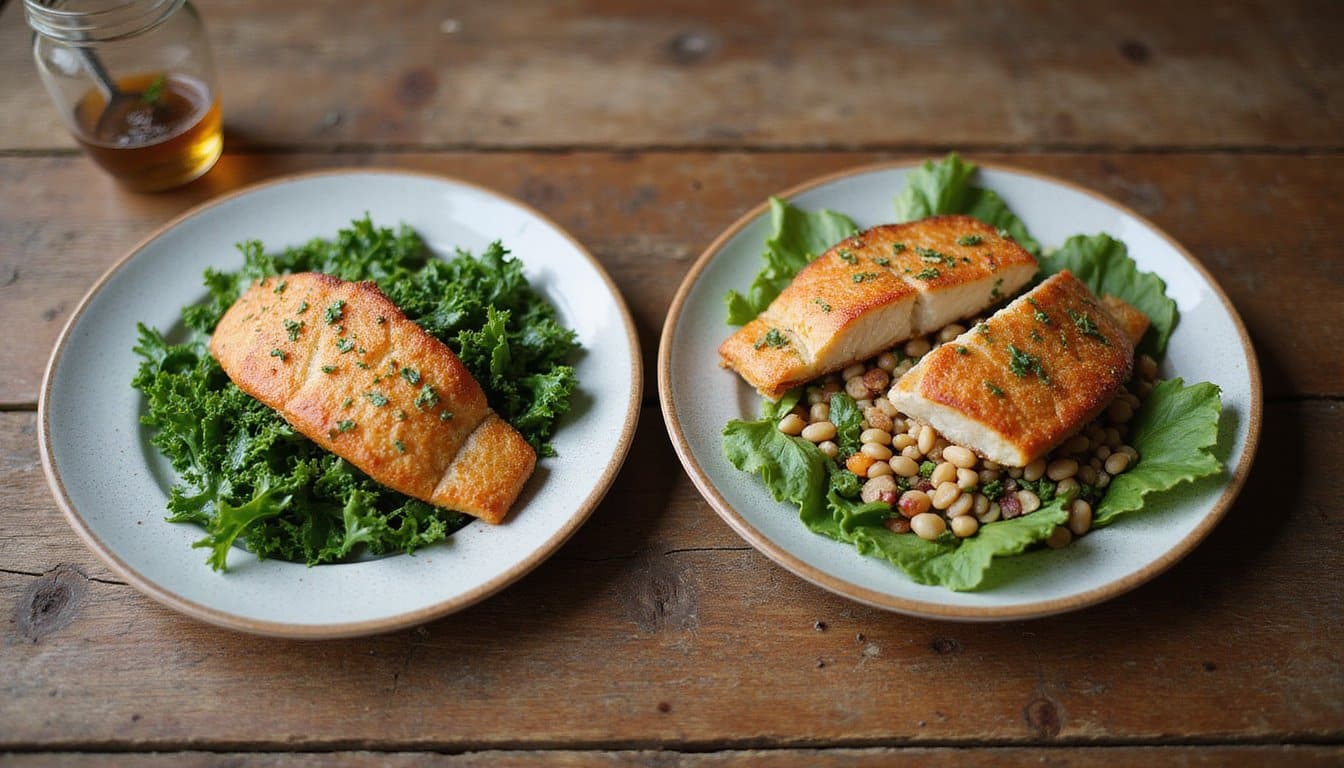
Your diet directly shapes the brain chemistry controlling your mood. Eating fatty fish, leafy greens, whole grains, legumes, and olive oil, the core of the Mediterranean diet, can meaningfully reduce depression symptoms by boosting serotonin, dopamine, and brain-derived neurotrophic factor. Clinical trials like the SMILES study confirm these foods genuinely work. Reducing ultra-processed foods and inflammation matters equally. Keep going to discover exactly which foods help most and why.
Can Your Diet Really Affect Depression?
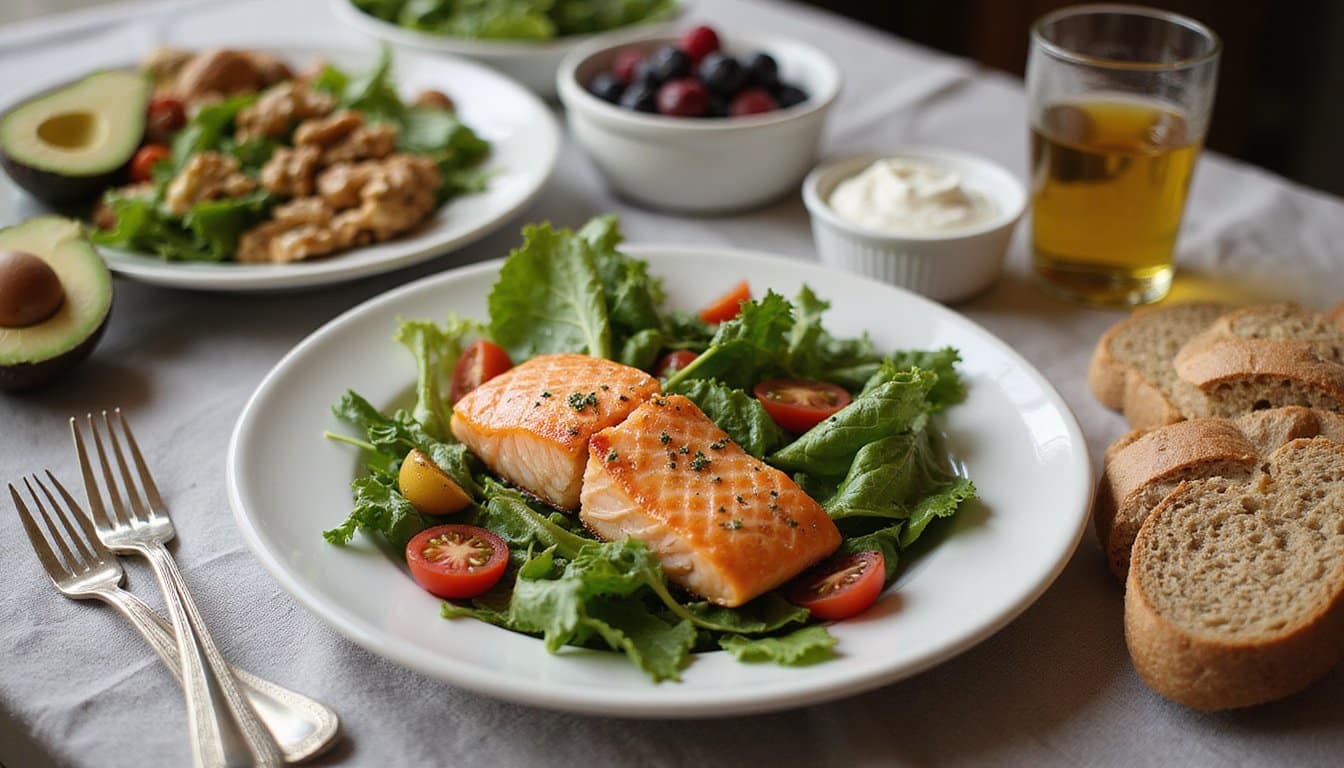
While it might seem surprising, what you eat can genuinely influence how you feel, and the science backs this up. Your brain depends on specific nutrients to produce serotonin and dopamine, the neurotransmitters that regulate mood and motivation. Omega-3 fatty acids support neuronal membrane function and reduce inflammation linked to depressive disorders. Vitamin D deficiency is consistently associated with worsened mood symptoms. Beyond individual nutrients, your gut microbiome communicates directly with your brain through the gut-brain axis, releasing neuroactive compounds that affect emotional regulation. Research confirms that poor dietary patterns increase depression risk, while Mediterranean-style diets reduce it considerably, one clinical trial showed 32% remission rates versus just 8% in controls. Your daily food choices aren’t trivial; they’re biochemically meaningful. Depression and anxiety disorders cost the global economy $1 trillion annually in lost productivity, underscoring how urgently we need effective, accessible interventions like dietary change.
How Food Changes Your Brain Chemistry
When you eat, you’re not just fueling your body, you’re directly influencing the biological systems that regulate your mood. Certain foods trigger inflammation that can disrupt neurotransmitter signaling, while others support the gut microbiome‘s production of neuroactive compounds that travel to your brain through the gut, brain axis. Your diet also affects levels of brain-derived neurotrophic factor, a protein that supports neuronal growth and resilience, which is often reduced in people living with depression. Deficiencies in key neurotransmitters like serotonin, dopamine, and noradrenaline have been directly associated with the onset and severity of depression.
Inflammation and Mood Shifts
Though it might seem surprising, what you eat can directly alter the chemical environment inside your brain. Chronic inflammation disrupts serotonin, dopamine, and norepinephrine production, worsening depressive symptoms. Cytokines breach the blood-brain barrier, divert tryptophan away from serotonin synthesis, and elevate cortisol, compounding mood instability. Omega-3 fatty acids, specifically eicosapentaenoic acid and docosahexaenoic acid, reduce inflammatory cytokine activity and help restore neurotransmitter balance.
| Inflammatory Trigger | Brain Effect | Dietary Counter |
|---|---|---|
| Elevated CRP | Weakens reward circuits | Fatty fish |
| Cytokine surge | Disrupts dopamine signaling | Leafy greens |
| Tryptophan diversion | Reduces serotonin | Eggs, legumes |
| Microglia activation | Accelerates brain aging | Walnuts, flaxseed |
| Blood-brain barrier loss | Floods brain with cytokines | Fermented foods |
Reducing dietary sugar and saturated fats measurably lowers inflammation markers, supporting healthier mood regulation. Research has shown that high inflammation levels are linked to disrupted communication between the ventral striatum and ventromedial prefrontal cortex, impairing the brain’s reward circuitry and contributing to anhedonia. Home remedies for mental health support can also play a role in enhancing overall well-being.
Gut-Brain Chemical Signals
Deep within your digestive tract, trillions of microorganisms are actively reshaping your brain chemistry in ways that directly influence mood, motivation, and emotional resilience. Your gut produces roughly 95% of your body’s serotonin, and tryptophan metabolism pathways determine whether that production supports healthy neurotransmitters or generates neurotoxic compounds that activate inflammation. When you’re following a gut health and depression diet rich in fiber, short-chain fatty acids are released, inhibiting HDAC enzymes to enhance neuroplasticity and reduce inflammatory cytokines like NF-κB. Dysbiosis depletes beneficial Lactobacillus and Bifidobacterium, impairing serotonin synthesis similarly to how vitamin deficiencies and depression intersect through disrupted cofactor availability. Your dietary choices directly regulate these microbial metabolite pathways, making food one of your most accessible tools for supporting chemical brain stability.
Boosting Brain Growth Factors
Beyond the microbial metabolites your gut sends upward through the vagus nerve, your brain relies on another layer of chemical regulation: growth factors that literally determine whether neurons survive, form new connections, and maintain the structural integrity that supports stable mood. Research shows depression correlates with elevated FGF9, reduced FGF2, and declining neurotrophins like BDNF, GDNF, and IGF-1, all of which shrink hippocampal volume and impair emotional regulation.
Diet directly influences these markers:
- BDNF rises with omega-3 fatty acids and polyphenol-rich foods
- FGF2 supports neurogenesis when chronic inflammation decreases
- IGF-1 responds to balanced protein and caloric adequacy
- GDNF correlates with improved cognitive performance in depressed patients
Consistent whole-food eating gradually shifts this neurochemical balance toward resilience.
Why the Mediterranean Diet Is Backed by the Strongest Evidence
When it comes to dietary patterns studied for depression, the Mediterranean diet has the most robust clinical backing, and understanding why can help you make more informed choices about your eating habits. In the SMILES trial, participants following a Mediterranean-style diet experienced considerably greater reductions in depression scores compared to controls, with roughly 32% achieving remission in just 12 weeks versus 8% in the social support group. The diet’s effectiveness is tied to its core components, fatty fish, leafy greens, whole grains, legumes, nuts, and olive oil, each contributing nutrients that support neurotransmitter synthesis, reduce neuroinflammation, and stabilize blood glucose.
Clinical Trial Results
Several randomized controlled trials now give the Mediterranean diet its strongest scientific footing in depression research, and the numbers are hard to ignore. The SMILES trial showed a 20-point BDI-II drop versus 6 points in controls by week 12, shifting participants from severe to mild depression. Nutritional psychiatry, increasingly recognized by bodies like the American Psychiatric Association and National Institute of Mental Health, supports whole foods diet approaches over processed alternatives.
Key findings across trials include:
- Mediterranean diet outperformed DASH diet-adjacent controls in symptom reduction
- Meta-analysis of 5 RCTs (n=1,507) showed a standardized mean difference of −0.53
- Depressive symptoms continued declining through 20 months
- High adherence produced a −4.67 score reduction at one year
You’re looking at consistent, measurable relief across multiple well-designed studies.
Mediterranean Diet Components
Those clinical trial results point directly at a common thread: participants following a Mediterranean-style diet saw the greatest gains. This dietary pattern delivers the precise nutrients your brain needs most.
The mediterranean diet combines omega-3 foods for depression, primarily fatty fish, with leafy greens for mental health, including folate-rich spinach and kale that support serotonin synthesis. You’ll also get nuts and seeds for mood stabilization through magnesium and healthy fats, plus berries and antioxidants for depression reduction through polyphenol activity that measurably lowers inflammatory markers. Natural supplements for anxiety relief are becoming increasingly popular as people seek alternatives to traditional medications.
Whole grains and serotonin production are directly connected through steady glucose delivery and tryptophan availability. Research confirms this pattern outperforms DASH and Alternative Healthy Eating Index models, showing the strongest evidence for reducing incident depression across diverse populations worldwide.
What the DASH Diet Does for Depression and Mood
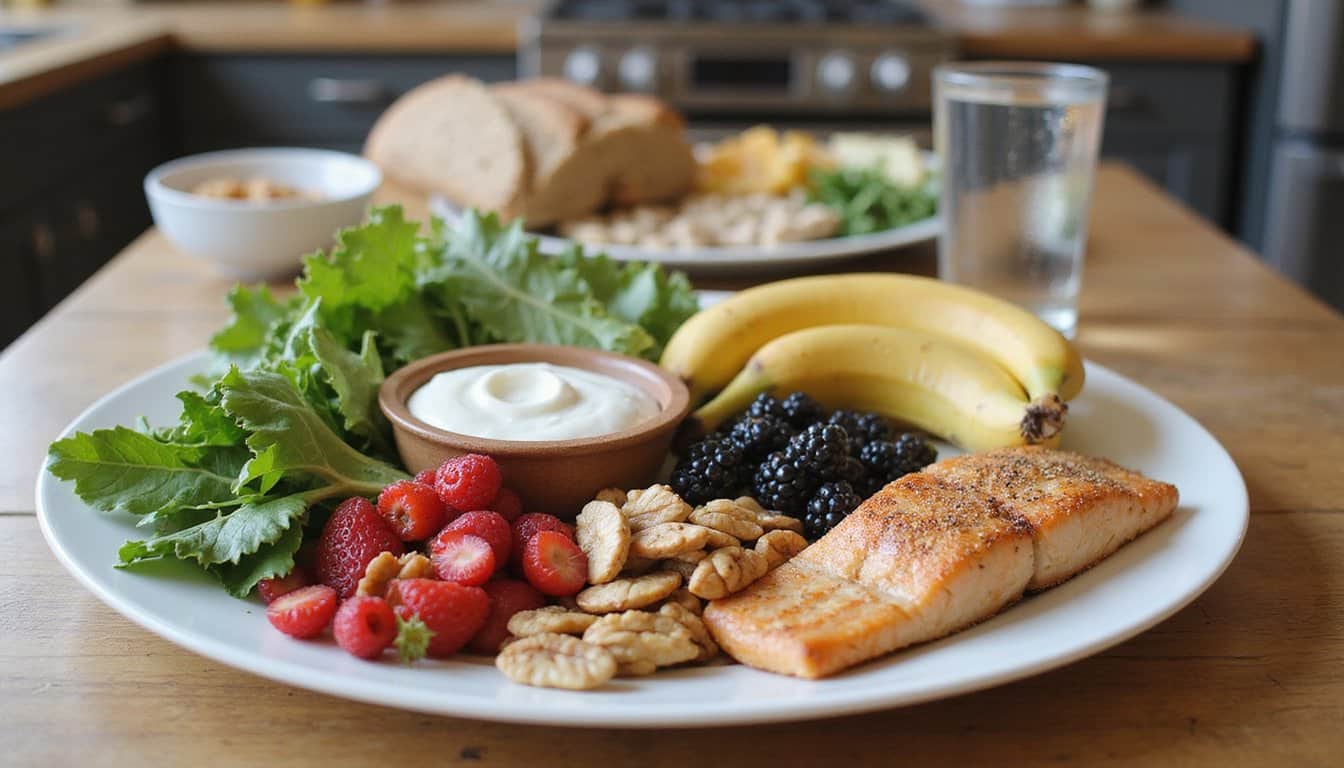
One diet that researchers have increasingly linked to better mental health outcomes is the Dietary Approaches to Stop Hypertension, better known as the DASH diet. Originally designed to reduce blood pressure, it’s now showing promise in the diet and mood connection, particularly for major depressive disorder.
A systematic review of 16 studies involving 48,824 participants found DASH adherents experienced better mental well-being. Key nutrients driving this diet for depression include: Incorporating a balanced diet can help detox depression symptoms effectively. By focusing on whole foods rich in essential nutrients, individuals may find significant improvements in their mood.
- Folate, supports serotonin and dopamine synthesis
- Magnesium, regulates neurotransmitter signaling
- Vitamin B12, maintains neurological function
- Vitamin D, improves mood, particularly in deficient individuals
One six-year study showed DASH followers had an 11% lower depression risk compared to non-adherents, making it a clinically meaningful dietary strategy worth considering.
Why Cutting Inflammation Could Lift Your Mood
Beyond targeted nutrients like folate and magnesium, another mechanism may be quietly working against your mood: chronic inflammation. Research confirms that elevated cytokines like IL-6 and TNF-α disrupt dopamine and serotonin signaling while impairing function across your prefrontal cortex, amygdala, and hippocampus, regions governing mood, motivation, and memory. This neuroinflammatory activity doesn’t just affect brain chemistry; it actively reduces reward processing and accelerates emotional dysregulation.
The Mediterranean diet addresses this directly. Its antioxidants, omega-3 fatty acids, and fiber-rich plant foods collectively suppress inflammatory markers, including C-reactive protein, which frequently runs elevated in depression. Studies show this dietary pattern reduces neuroinflammation and supports hippocampal neurogenesis. If your inflammation stays chronically high, even well-functioning neurotransmitter pathways struggle. Cooling that inflammation through food is a clinically supported, modifiable step toward mood recovery.
Which Foods Are Clinically Linked to Lower Depression Risk
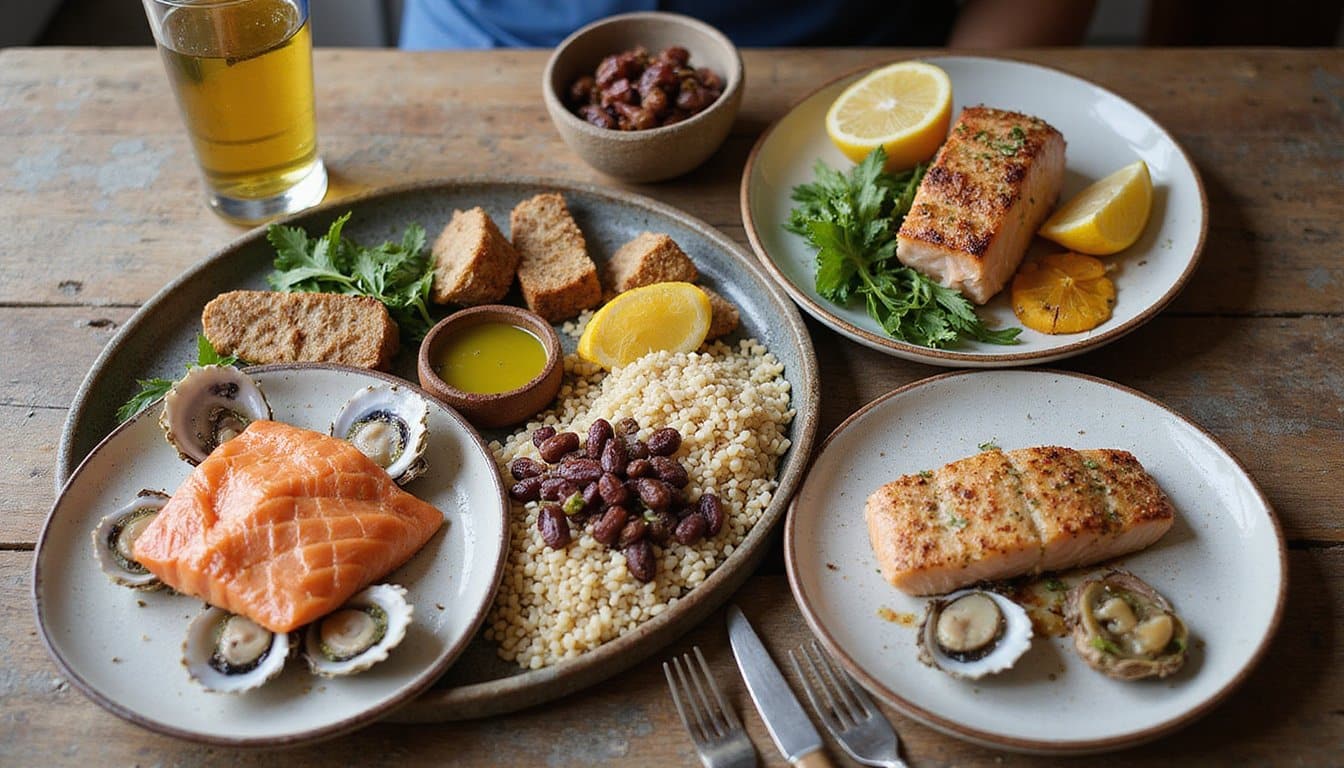
Certain foods carry measurable clinical evidence linking them to lower depression risk, and the data are more specific than general advice to “eat healthy.” Research using the Antidepressant Food Score, a nutrient-density framework identifying twelve clinically recognized antidepressant nutrients, reveals that some foods outperform others considerably.
Key clinically supported options include:
- Watercress and leafy greens, highest plant-based scores, delivering folate and antioxidants that counter oxidative stress
- Oysters and clams, top-ranked animal foods, concentrated in zinc and selenium
- Fatty fish like salmon and tuna, reliable sources of omega-3 fatty acids, EPA and DHA
- Mediterranean diet staples, vegetables, olive oil, legumes, and whole grains collectively reduce depression risk by over 30%
These aren’t arbitrary recommendations, they’re foods your brain’s chemistry actively responds to.
Which Foods Worsen Depression and Should Be Reduced
Just as some foods actively support brain chemistry, others work against it, and identifying them matters as much as knowing what to eat. Refined carbs like white bread and sugary cereals spike blood glucose, worsening irritability and fatigue. Sugar-sweetened beverages show a statistically significant association with depressive symptoms, while added sugars promote systemic inflammation and disrupt gut microbiota. High-fat dairy products, including high-fat cheese and butter-based spreads, appear more frequently in dietary patterns linked to depression. Processed fats, particularly trans fats from partially hydrogenated oils, are associated with a 48% increased depression risk. Broader processed foods are typically low in omega-3s, B vitamins, and magnesium, all nutrients your brain genuinely needs. Reducing these consistently supports more stable mood regulation.
How a Depression-Fighting Diet Starts in Your Gut
Evidence from animal models confirms that fecal transfers from depressed humans induce depressive-like behaviors in germ-free mice. Therapeutic implications are significant:
- Probiotics reduce stress-induced depressive behaviors
- Antidepressant treatment increases gut microbiota diversity
- Fecal microbiota transplants are entering clinical trials
- Microbiome profiling may improve depression diagnosis
Practical Steps to Eat for Better Mental Health
Making meaningful dietary changes doesn’t have to feel overwhelming. Start small, add one legume serving weekly, swap refined grains for whole grains, or eliminate sugary beverages. These attainable goals build sustainable momentum.
Follow a mediterranean diet framework: prioritize vegetables, fatty fish rich in omega-3 fatty acids, legumes, and olive oil. Eat balanced meals regularly, including protein at breakfast to support steady energy and neurotransmitter production. Don’t skip meals, as inconsistent eating destabilizes blood glucose and worsens mood.
Actively reduce harmful foods**, limit processed sugars, refined carbohydrates, and alcohol. Incorporate b vitamins** through leafy greens, eggs, and lean proteins to support brain function.
Finally, prioritize hydration. Water supports cognitive performance and metabolic processes essential for emotional regulation. Consider consulting a registered dietitian for personalized, evidence-based guidance.
Call Today and Discover What Works for You
From natural remedies to medical care, exploring depression treatment options is easier when you have someone in your corner. Through National Depression Hotline serving Boynton Beach, our trained professionals are available 24/7 who can guide you toward the right Depression Treatment program built around your goals. Call +1 (866) 629-4564 today and begin a healthier chapter in your life.
Frequently Asked Questions
Can Dietary Changes Interact With Antidepressant Medications Like SSRIS or MAOIS?
Yes, dietary changes can interact with your antidepressant medications. If you’re taking MAOIs, you must avoid tyramine-rich foods like aged cheeses, cured meats, and red wine, as these can trigger dangerously elevated blood pressure. With SSRIs, caffeine and folate-rich foods may enhance therapeutic effects. You should always consult your prescribing physician or registered dietitian before making significant dietary changes, ensuring your nutritional strategies remain safe and compatible with your current treatment plan.
How Long Does It Take for Diet Changes to Improve Mood?
You may notice subtle mood shifts within days of improving your diet, such as steadier energy and reduced irritability. More meaningful changes in depressive symptoms typically emerge after 8 to 12 weeks of consistent healthy eating. Omega-3s incorporate into cell membranes gradually, while inflammation markers improve slowly over time. Individual responses vary based on your genetics, baseline nutrition, and existing conditions, so patience alongside professional support remains essential throughout your dietary journey.
Are Nutritional Supplements as Effective as Whole Foods for Treating Depression?
Nutritional supplements aren’t as effective as whole foods for treating depression. Research shows whole-diet interventions consistently reduce depressive symptoms, while isolated supplements like vitamin D show no significant benefit as monotherapy. You’ll get better results prioritizing Mediterranean-style eating patterns over pills. Fish oil supplements may help as an adjunct to antidepressants, but whole foods provide complex nutrient interactions that supplements simply can’t replicate. Always consult your healthcare provider before making changes.
Which Blood Tests Can Reveal Nutrition Deficiencies Linked to Depression?
Several blood tests can reveal nutritional deficiencies linked to depression. You’ll want to check vitamin B12, folate, vitamin D, and iron or ferritin levels, as deficiencies in these directly impair neurotransmitter production and mood regulation. Testing fasting glucose and HbA1c helps identify blood sugar instability, while omega-3 fatty acid panels assess neuroinflammation. For a detailed/thorough/extensive picture, the NutrEval test analyzes over 125 biomarkers, catching deficiencies standard bloodwork often misses.
Can Diet Alone Replace Therapy or Medication for Severe Depression?
Diet alone can’t replace therapy or medication for severe depression. While evidence shows that improving your dietary patterns can meaningfully reduce symptoms, with one trial showing 32% remission versus 8%, it works best as an adjunct to professional treatment. Your brain’s neurochemistry often requires targeted intervention beyond nutrition. If you’re experiencing persistent low mood, please consult a healthcare provider who can integrate dietary strategies safely alongside therapy or medication.