Waking up with tears on your face can feel disorienting, but it doesn’t automatically mean you’re depressed. Your brain actively processes unresolved emotions during REM sleep, so crying can happen without any underlying mood disorder. That said, when it’s part of a broader pattern involving sleep disruption, emotional dysregulation, and persistent low mood, it becomes clinically significant. The connection between sleep crying and depression is more nuanced than most people realize, and what follows breaks it all down.
What Does It Mean to Cry During Sleep?

When you wake up with tears on your face and no clear memory of why, it’s easy to feel confused or even alarmed. Sleep crying episodes happen because your brain doesn’t stop working emotionally when you fall asleep. During REM sleep, your amygdala becomes highly active while your prefrontal cortex quiets down, allowing emotional distress to surface without conscious awareness. Your brain processes unresolved feelings, emotional trauma, and daily tension during this stage, sometimes triggering tears or even sleep talking. These episodes don’t automatically indicate major depressive disorder, but they do signal that your brain is working through significant emotional material. Understanding this process helps you respond thoughtfully rather than fearfully when unexplained nighttime crying occurs. This experience is not limited to any particular stage of life, as all age groups, from infants to older adults, can encounter sleep crying at some point.
Is Crying in Sleep a Sign of Depression?
Once you understand that sleep crying reflects active emotional processing in the brain, a natural question follows: does it mean you’re depressed? Not necessarily. While mood disorders and anxiety disorders can disrupt sleep-related emotional processing, crying during sleep isn’t listed as a definitive diagnostic symptom for depression in major psychiatric references.
Research actually shows contradictions here. Some studies indicate depressed individuals aren’t more likely to cry during sleep, and mood improvement following crying episodes is less common in depression, particularly among males.
However, when sleep disorders, cortisol dysregulation, and emotional dysregulation appear together alongside persistent sadness, fatigue, and loss of interest, the combination warrants professional evaluation. Crying in sleep becomes clinically significant not in isolation, but within a broader pattern of symptoms you’re experiencing consistently. Notably, maternal depression has been linked to excessive infant crying, feeding, and sleeping problems, highlighting how depression’s influence on crying behaviors can extend beyond the individual into familial contexts.
How Depression Changes the Way You Feel Emotions During Sleep?
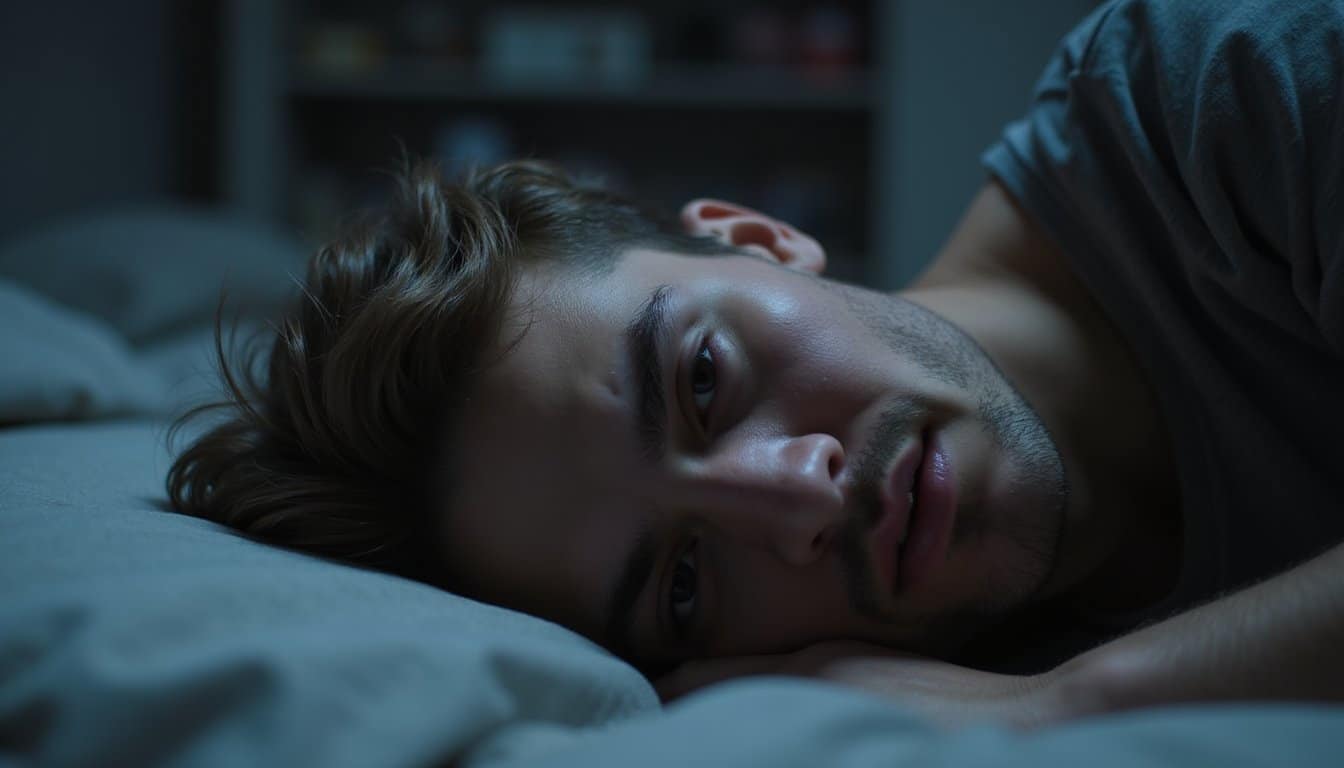
Depression doesn’t just affect how you feel during the day, it fundamentally rewires how your brain handles emotions while you sleep. When depression disrupts emotional processing during sleep, your amygdala becomes hyperreactive while prefrontal regulation weakens, creating emotional overload and nighttime crying. Signs of depression and sleep patterns can create a vicious cycle that exacerbates the overall mental health decline.
| What Changes | How It Affects You |
|---|---|
| Amygdala reactivity | Intensifies negative emotional responses |
| Prefrontal connectivity | Reduces top-down emotional control |
| Cortisol regulation | Elevates stress hormones overnight |
| Serotonin signaling | Disrupts mood and REM architecture |
These psychological factors affecting sleep create a damaging cycle, depression-related sleep disturbances worsen crying spells and mood disorders, which further fragments your rest. Sleep disturbance and psychological wellbeing are deeply interconnected, meaning untreated depression keeps reinforcing the very emotional dysregulation disrupting your nights. Chronic sleep deprivation also triggers inflammatory markers that are directly linked to mood disorders, compounding the emotional instability already driven by depression.
What REM Sleep Does to Sadness: and Why Depression Interferes?
REM sleep isn’t just a passive backdrop for strange dreams, it’s the brain’s primary emotional processing workshop, actively working to neutralize the emotional charge attached to painful memories. During REM, your brain consolidates emotionally weighted memories, gradually reducing their intensity through repeated processing. This mechanism supports emotional regulation and stabilizes your stress response system overnight.
Depression disrupts this process considerably. Reduced REM latency, increased REM density, and abnormal REM distribution are well-documented features of mood disorders. These alterations create an emotional memory bias, amplifying sadness rather than resolving it. For people experiencing trauma-related sleep symptoms or parasomnia, disrupted REM further impairs threat-safety discrimination. Higher REM density also correlates with treatment-resistant depression, meaning the interference isn’t incidental, it’s clinically consequential and warrants professional evaluation. Sleep apnea’s impact on mental health can exacerbate feelings of anxiety and depression, leading to a cycle of poor sleep and emotional distress.
Why Men and Women Experience Crying in Sleep Differently?
Although biology and culture both shape how emotions surface during sleep, men and women don’t experience crying in sleep the same way, and understanding why matters for accurate diagnosis and compassionate care.
Women’s hormonal fluctuations directly affect melatonin regulation and hypothalamic pituitary adrenal axis activity, making them more vulnerable to nightmares, emotional dreams, and visible crying spells during depression. Serotonin imbalance amplifies these episodes, particularly during premenstrual, postpartum, or menopausal shifts.
Men, however, tend to internalize emotional stress. Their depression often surfaces as irritability or aggression rather than tears, even during night terrors. Cultural conditioning, “big boys don’t cry”, suppresses emotional expression, masking symptoms clinicians might otherwise catch.
Because your symptom presentation depends partly on gender, accurate diagnosis requires looking beyond crying alone toward the full behavioral picture.
When Crying in Sleep Signals a Mood Disorder, Not Just Bad Dreams?
Sometimes a night of tears isn’t just your brain replaying a rough dream, it’s your emotional system sending a distress signal that persists well beyond sleep. When mood disorders are involved, crying extends beyond nightmare responses into deeper circadian rhythm disruption and brain emotional regulation failures.
Depression shortens REM latency, intensifying emotional outbursts during sleep. Your hippocampus and prefrontal cortex struggle to process unresolved grief, while dopamine dysregulation and norepinephrine pathways become compromised, amplifying overnight anguish. Even during non REM sleep, vulnerable junctures can trigger episodes. Amnesia related to depression can further complicate an individual’s ability to cope with their emotional state.
Unlike grief tied to specific losses, depression produces unexplained weepiness alongside withdrawal from daily activities and persistent sadness. If you’re noticing these patterns consistently, they’re not just bad dreams, they’re clinical signals worth discussing with a professional.
How Postpartum Depression Turns Crying in Sleep Into a Nightly Pattern?
When postpartum depression takes hold, crying during sleep stops being an occasional emotional release and becomes part of a relentless nightly cycle driven by biology, exhaustion, and unresolved distress. Hormone shifts in estrogen, progesterone, and thyroid function disrupt sleep architecture, triggering sleep fragmentation and insomnia that deepen low mood. Your psychological stress compounds as infant waking cycles prevent recovery, pushing fatigue beyond normal thresholds. Unlike a temporary grief response, postpartum depression sustains elevated cortisol, keeping your nervous system hypervigilant through the night. Approximately one in eight women experience this pattern, with crying persisting weeks beyond the ten-day baby blues window. Sleep-deprived mothers also face heightened suicidal ideation, and those with prior depression or weak support networks carry greater vulnerability toward post-traumatic stress disorder complications.
When to Seek Help for Crying in Sleep
Knowing when to seek help separates manageable emotional responses from conditions that need clinical attention. If you’re crying in sleep alongside persistent low mood, fatigue, or difficulty concentrating, don’t dismiss it. These signs may indicate depression, anxiety, adjustment disorder, or underlying sleep disorders requiring a mental health evaluation.
Seek help when you notice:
- Symptoms lasting over two weeks, low mood, hopelessness, or emotional distress present most of the day, nearly every day
- Daily functioning is impaired, crying episodes affect your work, relationships, or ability to cope despite self-help attempts
- Urgency escalates, suicidal thoughts require immediate contact with 988, 999, or A&E
Therapy, including CBT, offers effective, evidence-based support. Early intervention prevents worsening and restores emotional stability.
Call Now and Reclaim Your Peace of Mind
If sleep changes are weighing on your emotional well-being, you deserve someone who will listen without judgment. Through National Depression Hotline serving Boynton Beach, our trained counselors provide 24/7 guidance and connect you with trusted Depression Treatment options for your situation. Call +1 (866) 629-4564 today and begin a healthier chapter in your life.
Frequently Asked Questions
Can Certain Medications Cause Crying During Sleep as a Side Effect?
Yes, certain medications can trigger crying during sleep. Antidepressants that affect serotonin and norepinephrine may intensify your REM sleep, producing emotionally vivid dreams that cause crying. Corticosteroids and hormonal medications can also disrupt your sleep architecture, heightening emotional responses overnight. If you’ve recently started or changed medications and you’re noticing unusual sleep behaviors, you should speak with your healthcare provider, as dosage adjustments can often resolve these distressing nighttime experiences.
Does Crying During Sleep Affect the Quality of Rest You Get?
Yes, crying during sleep can disrupt your rest. When you experience emotional dreams intense enough to trigger crying, you’re likely in heightened REM sleep activity, which can cause awakenings and fragment your sleep cycles. Research confirms that poor sleep quality worsens emotional regulation, creating a feedback loop where disrupted rest amplifies negative emotional processing. This means you’ll often wake feeling unrested, irritable, and emotionally drained, making it harder to manage daytime stress effectively.
Can Children Experience Depression-Related Crying During Sleep Like Adults?
Yes, children can experience depression-related crying during sleep, much like adults. If your child cries frequently during sleep alongside persistent sadness, irritability, or loss of interest in activities, it’s worth taking seriously. Research shows sleep disturbances often precede anxiety and depression in children, with sleep terrors linking to emotionally reactive behaviors. Their developing brains process emotions similarly to adults, so don’t dismiss these signs, consult a healthcare professional for proper evaluation.
Is Crying During Sleep Hereditary or Linked to Genetic Predispositions?
Crying during sleep does have a genetic component. Research on 1,000 Swedish twins shows genetics explain 50% of crying variation at 2 months and 70% by 5 months. Your brain’s emotional processing during REM sleep is also shaped by inherited factors like circadian rhythm genes and neurotransmitter systems. However, your environment, stress levels, and emotional health still play significant roles, meaning genetics aren’t your destiny when it comes to sleep-related crying.
Can Physical Illnesses Unrelated to Depression Trigger Crying During Sleep?
Yes, physical illnesses can absolutely trigger crying during sleep without any connection to depression. If you’re experiencing sleep apnea, your disrupted breathing can cause arousals and vocalizations. Restless legs syndrome may provoke incomplete awakenings with crying episodes. Neurological conditions like Parkinson’s disease or multiple sclerosis dramatically alter your sleep architecture. Even fever, chronic pain, or recent surgery can destabilize your sleep cycles, producing emotional outbursts that reflect physical stress rather than underlying mood disorders.