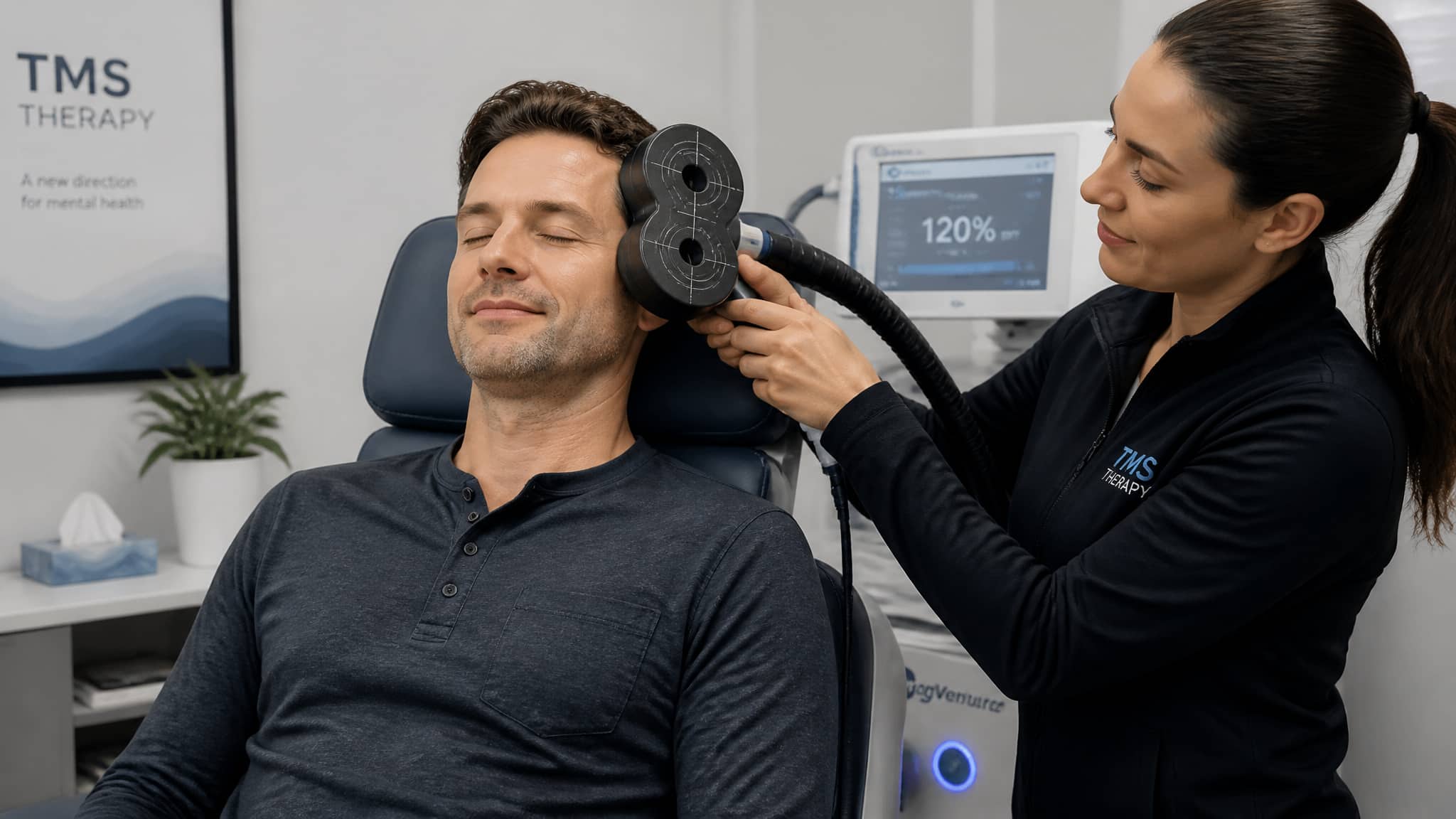
When you’re treating depression, drug selection depends on your symptom profile, tolerability, and how your brain responds to specific mechanisms. SSRIs and SNRIs are typically first-line, with SNRIs showing statistically higher remission rates. If those fail, augmentation strategies like aripiprazole achieve response rates exceeding 74%. Atypical agents like bupropion and mirtazapine target distinct neurotransmitter pathways for specific presentations. Understanding how these options compare, and when to escalate, can make the difference between response and recovery.
What Drugs Actually Treat Depression?
Several distinct drug classes are used to treat depression, and understanding their differences helps clarify why clinicians select one over another. Selective serotonin reuptake inhibitors target serotonin pathways, while serotonin norepinephrine reuptake inhibitors simultaneously raise both serotonin and norepinephrine signaling. Bupropion primarily acts on dopamine and norepinephrine systems, offering an alternative when serotonergic medications aren’t well tolerated. Tricyclic antidepressants such as imipramine, amitriptyline, and nortriptyline carry broader adverse effect profiles due to their binding activity beyond therapeutic targets. Monoamine oxidase inhibitors, including phenelzine and tranylcypromine, require strict dietary and drug interaction management. NMDA antagonists like esketamine address treatment-resistant cases unresponsive to prior antidepressant trials. TCAs may be particularly advantageous for patients who present with comorbid pain syndromes alongside their depressive symptoms. Your clinician evaluates your symptom pattern, history, and tolerability to determine which class best fits your clinical profile.
SSRIs and SNRIs: The Most Prescribed Antidepressants
Among the drug classes your clinician might consider, SSRIs and SNRIs represent the most frequently prescribed options for treating depression today. Both classes function as antidepressant medication targeting brain chemistry and antidepressants by modulating neurotransmitter reuptake. SSRIs like escitalopram (10, 20 mg/day) and sertraline (50, 150 mg/day) are generally better tolerated, showing fewer dropout rates than SNRIs. SNRIs, including venlafaxine and duloxetine, demonstrate statistically higher remission rates in major depressive disorder, 48.5% versus 41.9% for SSRIs, though clinical significance remains debatable. As pharmacological treatment for depression, SNRIs may additionally improve cognition and reduce post-stroke depression incidence. Research comparing these two drug classes drew from MEDLINE, EMBASE, and The Cochrane Library, capturing all relevant randomized controlled trials published across multiple languages to ensure comprehensive evidence. When selecting mood stabilizing medications, your provider weighs your symptom profile, tolerability, and specific subtype presentation to determine whether SSRIs or SNRIs offer your ideal therapeutic pathway.
When First-Line Antidepressants Stop Working
When first-line antidepressants fail to produce adequate relief, clinicians don’t immediately abandon the current regimen, they first confirm the diagnosis, verify adherence, and consider whether dosage optimization or extended trial duration might yet yield a response. If antidepressant efficacy remains insufficient, you’re likely facing treatment-resistant depression medication decisions. Augmentation therapy for depression, using aripiprazole, brexpiprazole, quetiapine, or lithium alongside your current prescription, often outperforms switching alone. Aripiprazole augmentation achieved 74.3% response in the VAST-D study. When psychiatric drug interactions or antidepressant side effects limit augmentation, ketamine therapy and esketamine nasal spray offer rapid relief backed by randomized controlled trial evidence. Switching antidepressant classes, such as moving from an SSRI to venlafaxine, yields response rates near 52%, a viable alternative when augmentation isn’t tolerated. People with TRD are also more likely to experience anxiety and suicidal ideation, making close monitoring and timely treatment adjustments an essential part of ongoing care.
Atypical Antidepressants: Bupropion, Mirtazapine, and Others
Atypical antidepressants don’t fit neatly into the SSRI, SNRI, TCA, or MAOI categories, yet they’re frequently prescribed when standard first-line options fail or produce intolerable side effects. Each drug operates through distinct atypical antidepressant mechanisms targeting specific symptom profiles.
- Bupropion boosts dopamine and norepinephrine without serotonin reuptake inhibition, making it suitable for fatigue, concentration deficits, and weight gain.
- Mirtazapine enhances serotonin and norepinephrine via receptor antagonism, producing sedation and appetite stimulation, beneficial for depression with anorexia.
- Vortioxetine, vilazodone, and trazodone combine serotonin reuptake inhibition with additional receptor activity, offering differentiated efficacy profiles when conventional SSRIs prove inadequate.
Your clinician selects among these based on your symptom pattern, tolerability history, and comorbid conditions.
Medications That Work Alongside Antidepressants
Many patients don’t achieve adequate relief from a single antidepressant, which is why clinicians often add a second agent to augment or complement the primary medication’s effects. In psychiatric pharmacology for depression, pairing reuptake inhibitors with presynaptic alpha2-autoreceptor antagonists like mirtazapine represents the most evidence-supported combination strategy. A meta-analysis of 39 trials involving 6,751 patients confirmed that combination antidepressant therapy outperforms monotherapy, with comparable dropout rates indicating acceptable tolerability. Mirtazapine augmentation achieved remission in approximately 50% of patients who failed two prior monotherapy trials. Benzodiazepines can improve medication adherence in depression treatment during the initial four weeks by reducing early distress. These combinations modulate synaptic neurotransmission, serotonin transporter activity, brain-derived neurotrophic factor expression, and hypothalamic-pituitary-adrenal axis dysregulation, addressing multiple biological targets when standard therapy proves insufficient.
Rapid-Acting Antidepressants That Work in Days, Not Weeks
Unlike conventional antidepressants that require weeks of treatment before producing measurable clinical benefit, ketamine acts within hours by targeting the glutamatergic system rather than serotonin or norepinephrine pathways. As an NMDA receptor antagonist, it triggers a glutamate neurotransmission burst, driving rapid antidepressant actions through AMPA receptor role activation, mTOR signaling pathway engagement, and BDNF and neuroplasticity enhancement, making it clinically relevant for treatment-resistant depression.
- AMPA receptor activation initiates downstream mTOR signaling, increasing synaptic spine density and plasticity proteins
- BDNF release occurs within 15 minutes in prefrontal cortex, amygdala, and hippocampus, supporting sustained neuroplasticity
- mTOR pathway engagement drives synaptic protein synthesis, producing structural changes that outlast ketamine’s 2, 3 hour half-life
You should discuss ketamine’s candidacy with a qualified clinician before considering it as a treatment option.
Antidepressant Side Effects That Often Go Unmentioned
While ketamine’s rapid neuroplastic effects represent one frontier in depression pharmacology, the side effects of more commonly prescribed antidepressants, particularly SSRIs, deserve closer scrutiny than they typically receive in clinical practice. Survey data from 700 patients reveals that 38% experienced at least one side effect from medications including fluoxetine and paroxetine, yet only 40% disclosed this to their prescribing physician. Many patients seek alternatives, such as vitamins for anxiety and stress relief, to manage their mental health.
| Underreported Side Effect | Clinical Concern |
|---|---|
| Sexual dysfunction | Leading discontinuation cause |
| Weight gain | Frequently concealed from physicians |
| Discontinuation syndrome | Dizziness, insomnia, tingling upon stopping |
| Serotonin syndrome | Fever, delirium, convulsions if untreated |
Insomnia and weight gain often surface weeks into treatment. Discontinuation syndrome intensifies remarkably with paroxetine. Serotonin syndrome, though rare, escalates dangerously when SSRIs combine with MAOIs or St. John’s wort. You should report every symptom promptly. Depression after alcohol detox can further complicate recovery. It is crucial to monitor mental health closely during this period, as emotional challenges may arise unexpectedly.
How Antidepressants Stack Up Against TMS and Psilocybin
Choosing between antidepressants, transcranial magnetic stimulation, and psilocybin requires weighing efficacy data, evidence scale, and practical access against each patient’s clinical profile. Antidepressant mechanisms of action targeting serotonin modulation remain the foundation of pharmacotherapy for major depressive disorder, yet evidence-based depression treatment increasingly recognizes neurobiological treatment of depression beyond standard pharmacotherapy. Depression medication and treatment can vary significantly in effectiveness depending on individual responses. Many patients explore options beyond traditional medications, considering therapies that align more closely with their unique needs.
- Antidepressants offer depression relapse prevention medication benefits with extensive trial data but variable response rates and systemic side effects
- TMS delivers 50, 82% improvement across 65+ RCTs with zero systemic effects and insurance coverage
- Psilocybin shows strong network meta-analysis rankings but only ~500 RCT patients, limiting real-world depression medication options confidence
Your clinician should match modality to your treatment resistance level, contraindication profile, and accessibility.
How to Choose the Right Antidepressant for Your Situation
Choosing the right antidepressant depends on matching your specific symptom profile to a medication’s pharmacological mechanism, tolerability record, and clinical outcomes data. SSRIs like sertraline and escitalopram are typically your first-line options because they combine strong efficacy with favorable side effect profiles, and evidence shows sertraline carries the lowest readmission odds among commonly prescribed agents. If your initial treatment doesn’t produce adequate improvement within 4 to 8 weeks, your clinician will reassess dosing, consider switching agents, or evaluate augmentation strategies rather than defaulting to polypharmacy, which substantially raises readmission risk. Dosages for depression treatment can vary significantly between patients, underscoring the importance of personalized medicine.
Matching Symptoms to Medications
Not all antidepressants work the same way, and matching the right medication to your specific symptom profile greatly enhances treatment outcomes. Your clinician evaluates presenting symptoms to guide pharmacological selection:
- Anxiety-predominant depression: Start sertraline (25 mg) or escitalopram (5 mg) at reduced doses to minimize activation effects
- Insomnia and appetite loss: Mirtazapine addresses both simultaneously, with agomelatine as an alternative for sleep-disrupted presentations
- Cognitive deficits, anhedonia, or fatigue: Vortioxetine targets cognitive dysfunction, while venlafaxine, duloxetine, and bupropion enhance motivation through noradrenergic mechanisms
Severe melancholic depression often requires SNRIs like venlafaxine or duloxetine, with earlier augmentation considered when initial response is insufficient. Cognitive improvements typically require 8, 12 weeks, so you shouldn’t assess efficacy prematurely. Natural ways to manage depression symptoms can be an important part of a comprehensive treatment strategy.
Weighing Side Effect Profiles
While every antidepressant class carries a distinct side effect burden, understanding those tradeoffs lets you and your clinician select the option least likely to interfere with your daily functioning. SSRIs show flatulence in 64%, somnolence in 59%, and memory impairment in 51% of patients, figures that matter when psychiatric medication management involves neurotransmitter reuptake inhibition over months. SNRIs frequently cause dry mouth, insomnia, and sexual dysfunction. TCAs add fast heart rate and blurred vision. For depression symptom management with medication, dosage titration in antidepressant therapy minimizes early adverse effects. Serotonin syndrome risk rises when combining serotonergic agents. Antidepressant withdrawal symptoms emerge if treatment stops abruptly. Sertraline reduces appetite, while mirtazapine increases weight, factors that guide selection. Only 26% of SSRI users find side effects very bothersome, supporting medical treatment for depression when properly monitored.
When First-Line Treatments Fail
Many patients who respond inadequately to an initial antidepressant trial are not treatment failures, they’re candidates for a more targeted next-step strategy. First line antidepressant therapy addresses neurochemical imbalance across monoamine neurotransmitters, yet approximately 30% of treated individuals develop treatment-resistant profiles. Clinical management of depression requires systematic reassessment before escalating prescription drugs for depression. FDA-approved medications can play a critical role in managing these more complex cases. Exploring options beyond standard treatments may yield significant benefits for those who struggle.
- Verify adherence first: Non-adherence rates reach 30, 50% during acute treatment, mimicking true antidepressant drug classes failure.
- Stage your approach: Switching across distinct antidepressant drug classes targets different monoamine neurotransmitters pathways when initial agents underperform.
- Account for history: Childhood trauma and older age profoundly predict poor response to long term antidepressant use, warranting individualized reassessment.
Documenting each failed trial formally positions you for evidence-based escalation strategies.
Call Today and Discover What Works for You
From natural remedies to medical care, exploring depression treatment options is easier when you have someone in your corner. Through National Depression Hotline serving Boynton Beach, our trained professionals are available 24/7 who can guide you toward the right Depression Treatment program built around your goals. Call +1 (866) 629-4564 today and begin a healthier chapter in your life.
Frequently Asked Questions
Can Antidepressants Affect Fertility or Reproductive Health in Men and Women?
Antidepressants can potentially affect your fertility, though evidence remains inconclusive. If you’re a woman, studies suggest reduced conception probability and lower IVF live birth rates (40% vs 51%). If you’re a man, research shows mixed results on sperm quantity and viability. Importantly, untreated depression itself may harm reproductive outcomes more than medication. You should discuss these risks openly with your healthcare provider to make an informed, individualized treatment decision.
Is It Safe to Drink Alcohol Occasionally While Taking Antidepressants?
Drinking alcohol while taking antidepressants isn’t considered safe, even occasionally. Alcohol counteracts your medication’s effectiveness, worsens depression symptoms, and amplifies side effects like drowsiness and impaired coordination. If you’re taking MAOIs, you’re at risk for dangerous blood pressure spikes and potentially fatal stroke. SSRIs increase your intoxication sensitivity unpredictably. Combined liver metabolism demands also raise toxicity concerns. You should consult your prescribing clinician before consuming any alcohol during treatment.
How Do Antidepressants Interact With Common Over-The-Counter Pain Medications?
When you take antidepressants with over-the-counter pain medications, you’re facing several documented interactions. Acetaminophen and NSAIDs like ibuprofen reduce your SSRI’s effectiveness, with only 45% achieving full depression relief versus 55% without them. NSAIDs combined with SSRIs also increase your gastrointestinal and intracranial bleeding risk. Dextromethorphan-containing cough suppressants can trigger serotonin syndrome. Paracetamol remains generally safer, but you should always consult your pharmacist before combining any OTC medications with your antidepressant.
Can Children or Teenagers Safely Take the Same Antidepressants as Adults?
Children and teenagers can’t safely take most adult antidepressants. Only fluoxetine demonstrates consistent effectiveness over placebo for youth depression. The FDA’s black box warning since 2004 flags increased suicidal ideation risks in patients under 25. Venlafaxine and paroxetine carry heightened suicidality risks in young patients. If your child requires antidepressant therapy, you’ll need close clinical monitoring, age-appropriate dosing, and ideally combined cognitive behavioral therapy to optimize safety and outcomes.
What Happens to Your Brain if You Suddenly Stop Taking Antidepressants?
When you abruptly stop antidepressants, your brain experiences rapid neurotransmitter instability as drug concentrations fall faster than your receptors can adapt. You’ll likely develop discontinuation syndrome within two to four days, particularly with shorter half-life medications like venlafaxine. Symptoms include brain zaps, dizziness, nausea, anxiety, insomnia, and mood disturbances. Your neurological system hasn’t had sufficient time to recalibrate. Gradual tapering over four or more weeks dramatically reduces these neurochemical disruptions.