Mindful breathing and meditation techniques give you direct control over your nervous system, shifting your body from stress mode to calm. When you slow your breath and engage your diaphragm, you activate your parasympathetic response, lowering your heart rate and quieting mental chatter. Techniques like box breathing sharpen focus under pressure, while 4-7-8 breathing promotes deep relaxation for sleep. Each method offers unique benefits, and discovering which one resonates with your body can transform your daily experience. Mindful breathing and meditation techniques give you direct control over your nervous system, shifting your body from stress mode to calm. When you slow your breath and engage your diaphragm, you activate your parasympathetic response, lowering your heart rate and quieting mental chatter. These practices are widely used in mindfulness techniques exercise, helping people regulate stress and improve emotional awareness. Techniques like box breathing sharpen focus under pressure, while 4-7-8 breathing promotes deep relaxation for sleep. Each method offers unique benefits, and discovering which one resonates with your body can transform your daily experience.
Why Slow Breathing Calms Your Nervous System
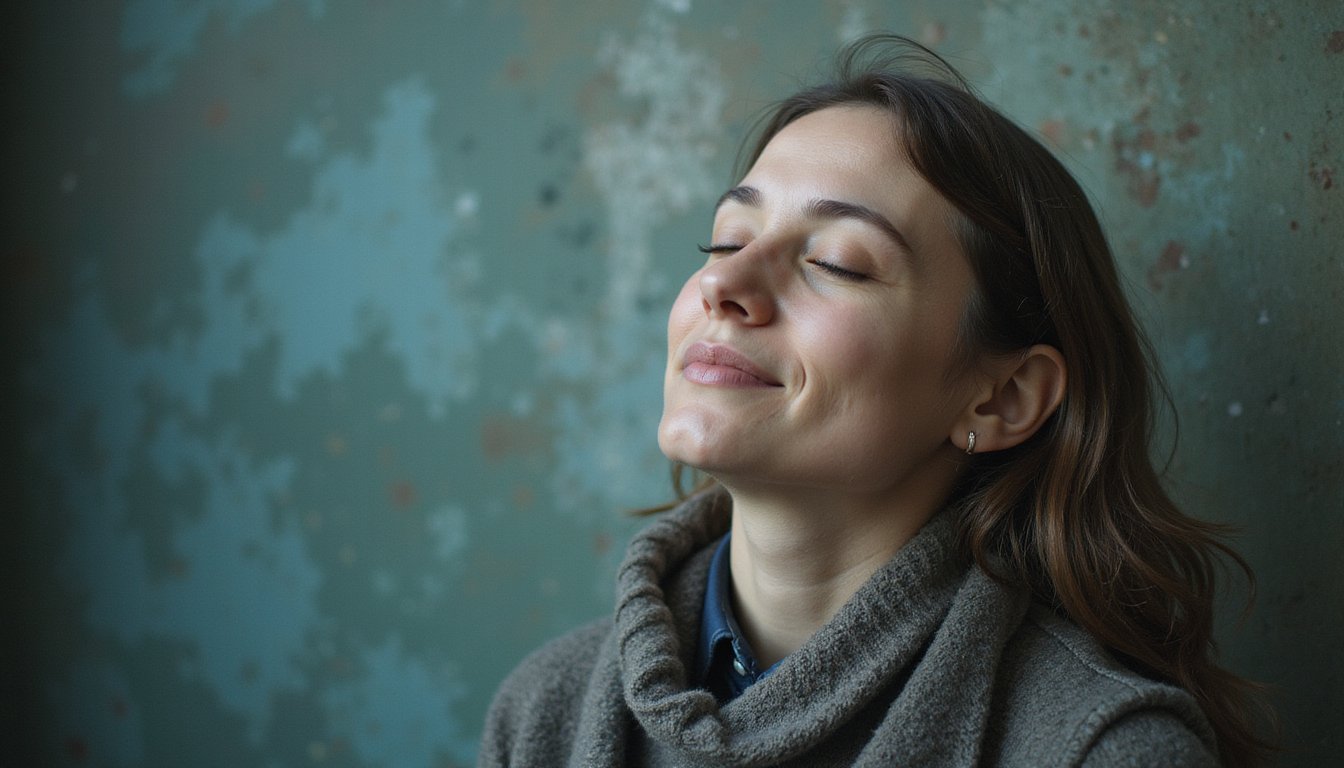
When you slow your breathing down, something remarkable happens inside your body. Your parasympathetic nervous system activates through vagal stimulation, shifting you from stress mode into a rest-and-digest state. Diaphragmatic breathing at around six breaths per minute increases your heart rate variability, reflecting greater autonomic flexibility.
As you practice mindful breathing exercises, your brain responds measurably. EEG studies show increased alpha waves, which connect to emotional regulation and psychological well-being. Meanwhile, neurons in your brainstem signal your locus coeruleus to reduce arousal and anxiety. Research also shows that slow breathing affects brain functional connectivity, creating measurable changes in how different brain regions communicate with each other.
Through focused attention meditation on your breath, you’ll notice reduced feelings of anger, confusion, and tension. You’ll experience greater relaxation and alertness. This isn’t imagination, it’s your nervous system recalibrating with each deliberate breath.
Belly Breathing: The Foundation for Every Technique
Though many meditation practices exist, belly breathing, also called diaphragmatic breathing, serves as the foundation for nearly all of them. This technique engages your diaphragm rather than chest muscles, creating a gentle expansion in your belly as you inhale.
To practice, sit or lie comfortably and place one hand on your chest, the other on your belly. Inhale slowly through your nose, feeling your belly rise while your chest stays still. Exhale through your mouth as your belly naturally contracts. Repeat for five to ten minutes.
Diaphragmatic breathing activates your body’s relaxation response, lowering heart rate and blood pressure. Regular breath awareness through this mindfulness breathing practice strengthens your diaphragm, improves oxygen exchange, and builds the concentration needed for deeper meditation techniques. This type of breathing is actually the natural breathing pattern of young children before habits like holding in the tummy lead to shallow chest breathing.
4-7-8 Breathing for Sleep and Stress Relief
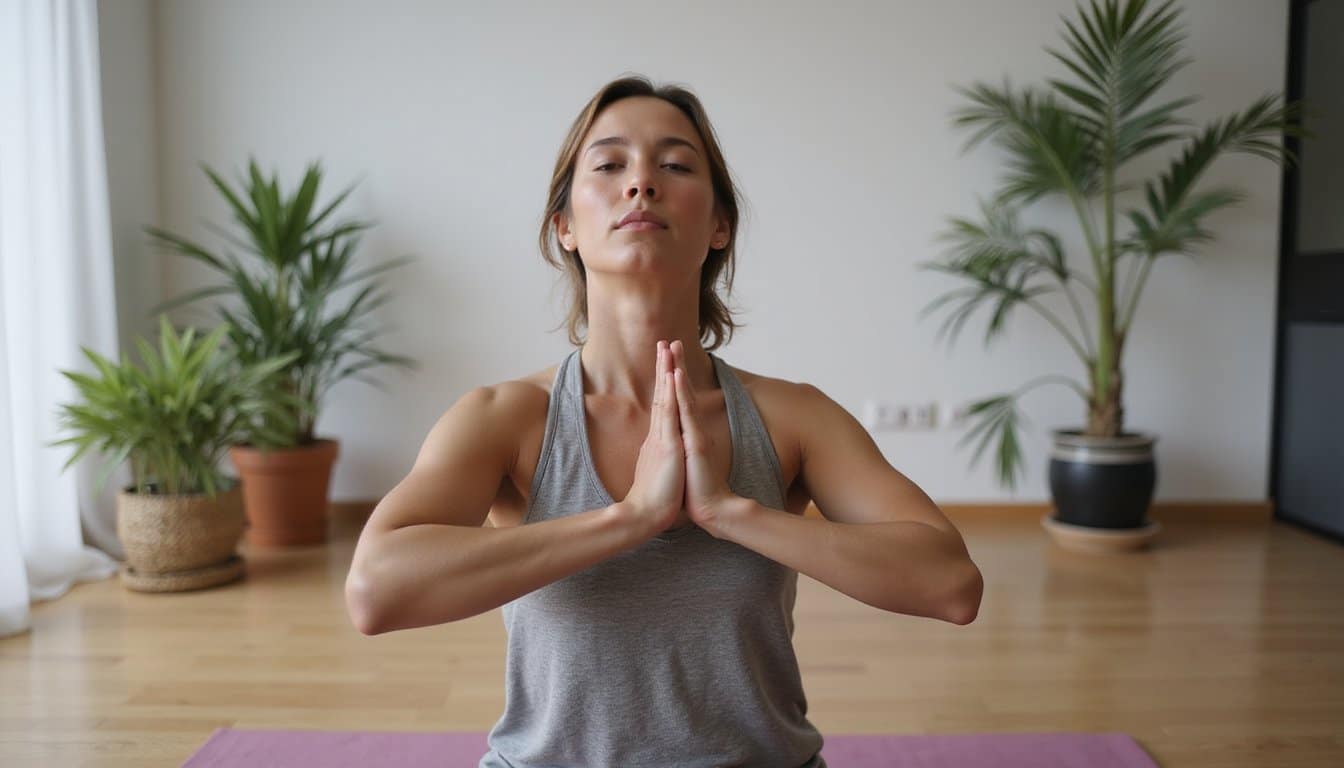
The 4-7-8 breathing technique offers you a powerful tool for calming your nervous system and preparing your body for rest. You’ll learn how this simple counting pattern, inhaling for 4 counts, holding for 7, and exhaling for 8, activates your parasympathetic response to reduce stress. This technique works by lowering heart rate and blood pressure, helping your body shift from a tense state to a calmer one. With regular practice, you can transform this technique into an automatic relaxation response that supports better sleep and emotional balance.
How It Works
Because your breath serves as a powerful bridge between your conscious mind and your body’s automatic stress responses, the 4-7-8 technique gives you direct access to your nervous system’s calming mechanisms. When you practice these meditation techniques, you’re activating your parasympathetic nervous system while quieting the fight-or-flight response.
| Body System | Stress State | After 4-7-8 Practice |
|---|---|---|
| Heart Rate | Elevated | Decreased |
| Brain Waves | Beta dominant | Theta/delta increase |
| Cortisol | High | Regulated |
Your vagus nerve responds to slow, deep breathing by signaling relaxation throughout your body. Guided meditation incorporating this technique helps you decrease oxygen consumption and blood pressure simultaneously. The counting pattern provides a calming distraction, redirecting your mind from anxious thoughts toward tranquility. In addition to breathing exercises, mindfulness techniques for anxiety pdf can serve as valuable resources for individuals seeking to enhance their coping strategies. These materials often include step-by-step guides for incorporating mindfulness into daily routines, which can further alleviate symptoms of anxiety. By practicing these techniques regularly, you can cultivate a greater sense of peace and emotional resilience.
Step-by-Step Practice Guide
Now that you understand how the 4-7-8 technique affects your nervous system, you’re ready to put this knowledge into practice.
Find a comfortable seated position with your back straight, or lie down if you’re preparing for sleep. Relax your shoulders and facial muscles. Breathe in through your nose for four seconds, feeling your lungs expand. Hold that breath for seven seconds, allowing oxygen to circulate. Exhale slowly through your mouth for eight seconds, creating a soft whooshing sound if desired.
Start with two to three cycles to prevent overexertion, especially if complete exhalation feels challenging initially. As your lung capacity strengthens, gradually work up to eight cycles. Close your eyes to deepen your focus, though this isn’t required. Practice twice daily for ideal results.
Benefits for Relaxation
When you practice 4-7-8 breathing consistently, your body learns to shift from stress mode into a state of deep calm. This technique activates your parasympathetic nervous system, reducing cortisol levels through HPA axis regulation. You’ll notice anxiety decreasing as your fight-or-flight response settles.
| Benefit | How It Works | What You’ll Experience |
|---|---|---|
| Reduced anxiety | Lowers cortisol | Calmer mind |
| Better sleep | Promotes relaxation | Faster sleep onset |
| Lower blood pressure | Vagus nerve stimulation | Physical ease |
| Stress management | Parasympathetic activation | Emotional balance |
| Cravings control | Regulates stress response | Greater self-control |
Unlike antianxiety medications, your body doesn’t adjust to this practice, it becomes more effective over time. After several days of consistent sessions, you’ll feel the cumulative benefits deepening your relaxation response.
Box Breathing for Focus Under Pressure
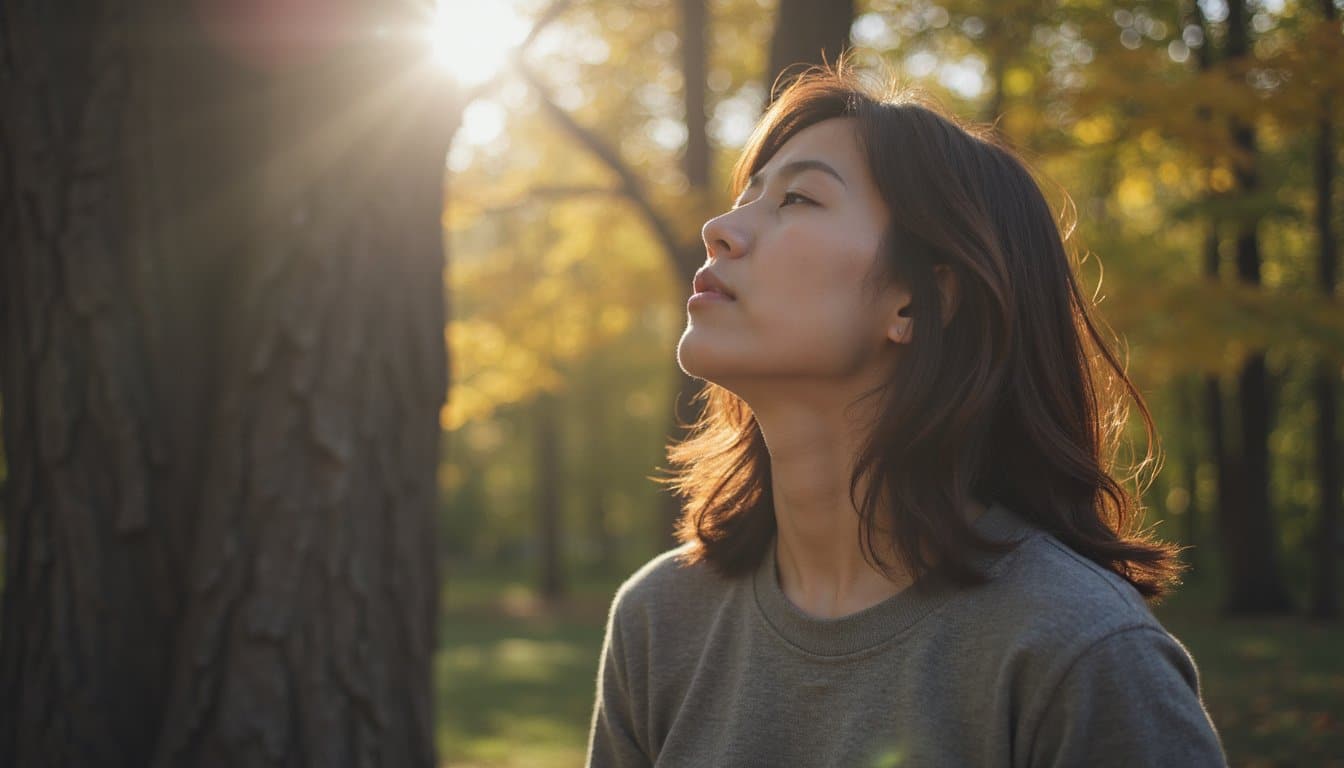
When pressure mounts and your mind races, box breathing offers a military-tested technique to restore calm and sharpen your focus. You’ll use silent counting as a form of meditation, inhaling for four counts, holding for four, exhaling for four, and holding again for four. This rhythmic pattern anchors your attention to the present moment, quieting mental noise so you can think clearly when it matters most.
Military-Tested Stress Relief
Although box breathing may sound simple, this four-count technique has earned its reputation in some of the world’s most demanding environments. U.S. Navy SEALs rely on it during combat to stay calm, think clearly, and perform with precision. First responders and athletes have adopted this tactical breathing method to maintain focus under pressure.
| Step | Duration |
|---|---|
| Inhale through nose | 4 seconds |
| Hold breath | 4 seconds |
| Exhale through mouth | 4 seconds |
| Hold empty | 4 seconds |
When you practice box breathing, you’re shifting your nervous system from fight-or-flight to rest-and-digest mode. This lowers your heart rate, reduces cortisol, and counteracts the shallow breathing that accompanies anxiety. Visualize tracing a box as you breathe through each phase.
Silent Counting as Meditation
Stillness becomes accessible through the simple act of counting your breaths. Silent counting functions as a form of mantra meditation, calming your nervous system and quieting mental chatter. You don’t need special equipment, just sit comfortably anywhere and begin.
Try Zen breath counting: silently count each inhalation and exhalation up to ten, then restart. Alternatively, use the countdown method, counting backwards from fifty to sharpen concentration. Box breathing offers another approach, count to four during each phase: inhale, hold, exhale, hold.
Start with a few minutes daily and gradually extend your practice. Breathe gently without straining. When you practice during calm moments, you’ll develop the skill to use these techniques during anxiety, reducing your stress response. This cultivates response over reaction, anchoring you firmly in the present. Start with a few minutes daily and gradually extend your practice. Breathe gently without straining. When you practice during calm moments, you’ll develop the skill to use these techniques during anxiety, reducing your stress response. These simple steps are often recommended as beginner mindfulness exercises, helping you build awareness gradually. This cultivates response over reaction, anchoring you firmly in the present.
Anchoring to Present Moment
Because your mind naturally seeks an anchor during chaos, box breathing offers a reliable tool for regaining focus under pressure. This technique delivers oxygen to your brain, clearing mental fog and sharpening your attention on immediate tasks.
When stress hits, inhale for four counts, hold for four, exhale for four, and hold again for four. This simple rhythm activates your parasympathetic nervous system, suppressing the fight-or-flight response that clouds your thinking.
Athletes use this method before competitions to boost concentration and performance. You can apply it during presentations, difficult conversations, or any high-stakes moment. The equal intervals create a mental “box” that grounds you in the present.
Practice daily, and you’ll build stronger stress resilience when pressure demands your sharpest focus.
Alternate Nostril Breathing for Mental Clarity
Alternate nostril breathing offers a simple yet powerful way to sharpen your mental clarity and restore calm. This technique activates your parasympathetic nervous system, shifting you from stress response to a rest-and-digest state. You’ll notice improved concentration and reduced anxiety with regular practice.
| Benefit | Research Finding | Timeframe |
|---|---|---|
| Lower stress | Greatly reduced perceived stress | 12 weeks |
| Improved cardiovascular health | Better pulse and blood pressure | 4 weeks |
| Enhanced lung function | Increased respiratory endurance | 4 weeks |
Practice twice daily for ideal results, even five minutes brings noticeable relaxation. Perform this technique before stress-inducing activities, though avoid practicing right before bedtime since it may boost alertness. Always finish your cycles by exhaling through your left nostril.
Bhramari Breathing: The Humming Technique for Deep Calm
When you’re seeking a gentle yet powerful way to calm your nervous system, Bhramari Pranayama, the humming bee breath, offers profound relief through simple sound vibration.
To practice, sit comfortably and close your eyes. Place your thumbs gently on your ear cartilage, index fingers on your forehead, and remaining fingers lightly across your face. Inhale deeply through your nostrils, then exhale slowly while creating a steady, high-pitched humming sound like a bee.
The vibrations stimulate your nasal passages, boosting nitric oxide production and dilating blood vessels for better oxygen flow. This technique promotes parasympathetic dominance, lowering your heart rate and blood pressure while releasing tension and anxiety.
Start with three to four rounds, gradually building to more repetitions. You’ll notice your mind quieting and stress dissolving within minutes.
How to Choose the Right Breathing Technique for You
With so many breathing techniques available, selecting the right one depends on your current needs, experience level, and specific goals.
If you’re new to breathwork, start with box breathing or breath counting. These methods offer simple structures that help you build awareness without overwhelming your system. As you develop comfort, you can explore equal breathing or coherent breathing for deeper relaxation.
New to breathwork? Start simple with box breathing or breath counting to build awareness before exploring deeper techniques.
When stress or anxiety arises, turn to 4-7-8 breathing or alternate nostril breathing. Research shows these practices effectively reduce negative emotions and lower respiratory rates.
For those seeking spiritual growth or enhanced essential vigor, pranayama techniques like Sudarshan Kriya offer profound benefits backed by scientific validation.
Listen to your body’s responses. The right technique feels natural and leaves you calmer, more focused, and present.
You Don’t Have To Face This Alone
Living with anxiety can feel like a weight you carry every single day, and the longer you carry it alone, the heavier it gets. You don’t have to figure this out by yourself. The National Depression Hotline connects you with trained professionals available 24/7, free of charge, who can guide you toward the right anxiety and depression support tailored to your needs. Relief is closer than you think. Call +1 (866) 629-4564 today and take the first step toward feeling like yourself again.
Frequently Asked Questions
Can Breathing Techniques Be Dangerous for People With Respiratory Conditions?
Yes, certain breathing techniques can pose risks if you have severe respiratory disease. Diaphragmatic breathing may increase your breathing effort and worsen breathlessness in severe COPD. However, for mild to moderate conditions, pursed-lip and gentle breathing exercises are generally safe and can reduce symptoms. You’ll want to consult your healthcare provider before starting any practice. They’ll help you choose techniques that match your specific condition and severity level.
How Long Does It Take to See Benefits From Regular Breathing Practice?
You can notice immediate benefits from just a single 5-minute breathing session, including reduced anxiety and improved mood. Within five weeks of daily practice, you’ll typically experience measurable improvements in sleep quality and fatigue reduction. The most encouraging finding? Your positive affect continues growing with each day you practice, benefits actually compound over time. Start with brief daily sessions, and you’ll feel the calming effects build progressively.
Is It Normal to Feel Emotional During Breathing Exercises?
Yes, it’s completely normal to feel emotional during breathing exercises. About 10% of practitioners report emotional responses, and this is actually part of the release process. When you shift from shallow, stress-linked breathing to controlled, deep patterns, you’re signaling your brain to move into a calmer state. This transformation can liberate stored tension. Simply observe these feelings without judgment, they’re a natural part of your healing journey.
Can Children Safely Practice These Breathing Techniques?
Yes, children can safely practice breathing techniques with age-appropriate adjustments. You’ll want to keep sessions brief, just a few minutes for preschoolers and up to ten minutes for older kids. Visual guidance through animated videos or demonstrations helps younger children understand paced breathing more easily. Consider integrating practice into existing routines like bedtime to make it feel natural. While these techniques are generally safe, you should discuss adding them with your child’s pediatrician first.
Should Breathing Exercises Be Done Before or After Eating?
You can practice breathing exercises both before and after eating, each offering distinct benefits. Before meals, deep breathing resets your vagus nerve and prepares your digestive system. After eating, wait 15-30 minutes, then try gentle diaphragmatic breathing for 5-10 minutes to stimulate your parasympathetic nervous system and ease digestion. You’ll find this simple practice reduces bloating and promotes comfortable, relaxed digestion throughout your day.