Yes, it’s completely normal to feel depressed after surgery. Depressive symptoms affect roughly 10% to 30% of general surgical patients, and rates climb even higher after major procedures like cardiac surgery. You’re not alone, and you’re not weak. Pain, reduced independence, disrupted sleep, and the physical stress of healing can all weigh on your mood. Understanding why this happens, and knowing when to seek support, can make your recovery easier.
Key Takeaways
- Yes, post-surgery depression is normal, affecting roughly 10% to 30% of general surgical patients and up to 61% after cardiac surgery.
- Physical stress, pain, reduced independence, disrupted sleep, and anesthesia all contribute to mood changes during recovery.
- Watch for persistent sadness, hopelessness, low energy, appetite changes, and withdrawal from others or skipped appointments.
- Mood changes are often temporary and improve as your body heals, but symptoms lasting beyond two weeks warrant attention.
- Seek professional support if low mood persists, interferes with recovery, or worsens, and get emergency help for thoughts of self-harm.
Is It Normal to Feel Depressed After Surgery

Yes, it is normal to feel depressed after surgery. Postoperative depression is a real and common complication, with depressive symptoms reported in roughly 10% to 30% of general surgical patients. After cardiac surgery, rates climb even higher, sometimes reaching 23% to 61%.
Your recovery involves more than healing tissue. Pain, reduced independence, loss of function, and prolonged downtime can all weigh on your mood. Certain risk-factors raise your odds, including prior anxiety or depression and the physical stress of major surgery.
What Causes Depression After Surgery
Depression after surgery rarely comes from a single source. Instead, several factors tend to overlap, and understanding them can help you feel less alone in what you’re experiencing. Post-surgical depression recovery time can vary significantly from person to person. Identifying the specific challenges you face during this period is crucial for effective coping.
Major surgery puts real stress on your body. Pain, reduced independence, loss of function, and a long recovery can all contribute to post-surgery depression. If you struggled with anxiety or depression before your operation, you may carry a higher risk afterward, too.
Recovery asks a lot of you, physically and emotionally. It’s okay if healing feels heavier than you expected.
Physical factors matter as well. Anesthesia, disrupted sleep, and the toll of severe illness or emergency surgery can affect your mood during healing.
Your coping resources also play a part. When pain and limitations wear you down, staying emotionally steady becomes harder. Recognizing these causes is the first step toward getting the support you deserve.
What Are the Signs of Post-Surgery Depression

Post-surgery depression shows up as persistent symptoms that affect your mood, thoughts, and daily function, unlike normal recovery fatigue, which involves some expected tiredness. Depression tends to linger and worsen over time. Watch for symptoms that persist beyond a couple weeks or worsen over time. Depression triggers after retirement age can significantly impact one’s quality of life. Many individuals find it challenging to adjust to the sudden changes in routine and social interactions. Seeking support through therapy or community engagement is essential in managing symptoms and enhancing well-being during this transitional period.
| Emotional Signs | Physical Signs | Behavioral Signs |
|---|---|---|
| Persistent sadness | Sleep changes | Withdrawing from others |
| Hopelessness | Low energy | Skipping rehab or appointments |
| Irritability | Appetite shifts | Loss of interest in hobbies |
| Anxiety or worry | Unexplained aches | Neglecting self-care |
If several of these overlap and interfere with your recovery, it’s worth mentioning to your care team. You’re not overreacting. Depressive symptoms are common, recognized, and treatable, so don’t hesitate to speak up.
Why Do Anesthesia and Medication Affect Your Mood
Anesthesia and medications affect your mood because major surgery is a physical stressor, and the drugs that keep you safe and comfortable can also affect how you feel afterward. Pain medications, sedatives, and anesthesia can leave you foggy, tired, or emotionally low as your body clears them and recovers.
Add in disrupted sleep, ongoing pain, and reduced independence, and it’s no surprise your mood takes a hit. These changes are common and often temporary, so try not to blame yourself. Research shows depressive symptoms after surgery affect many people, often between 10% and 30%. Give yourself time, and reach out if those feelings linger or deepen.
How Does Recovery and Immobility Impact Mental Health
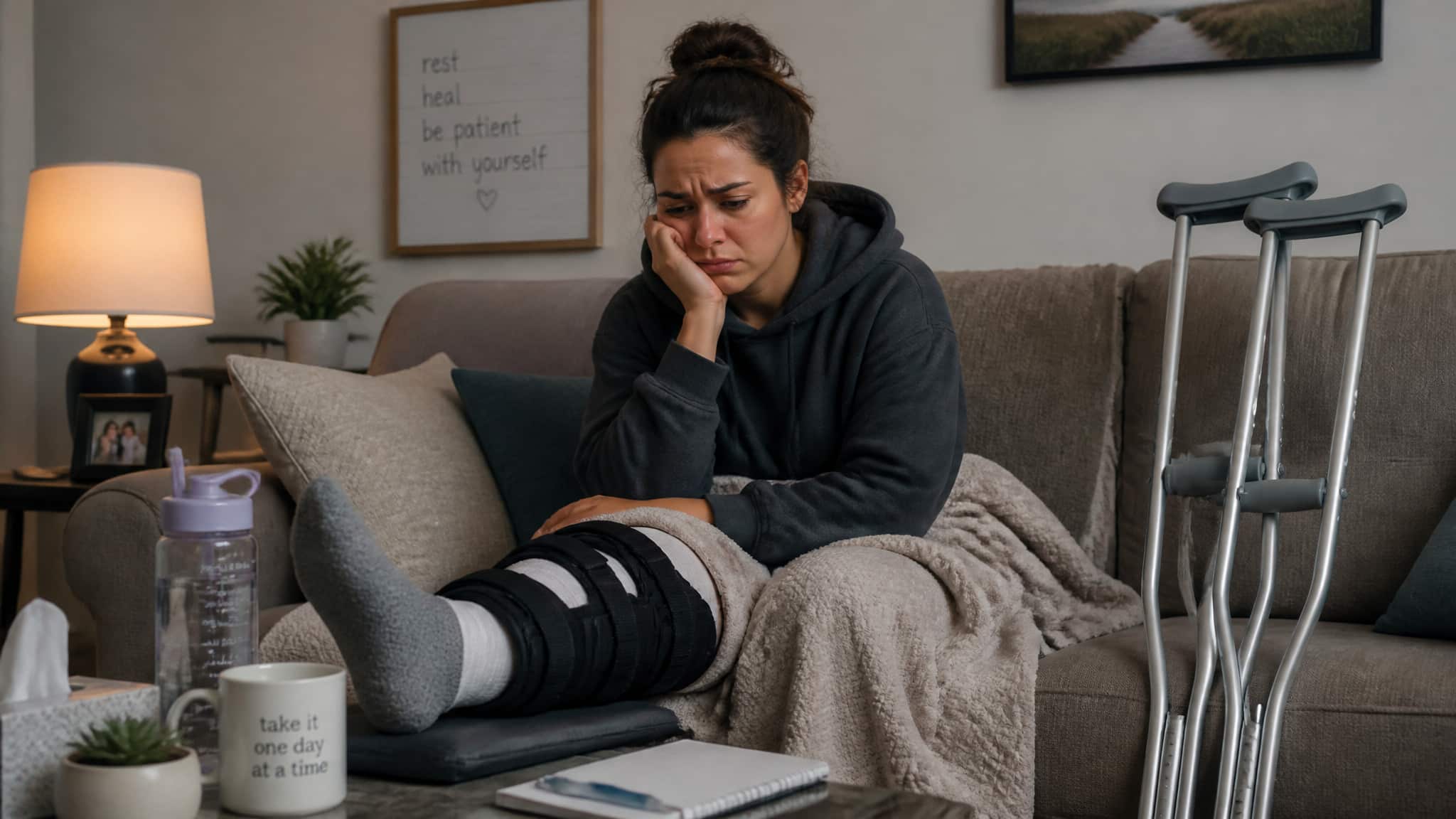
Recovery and immobility can significantly harm your mental health, often taking a hit right alongside your body. Major surgery can trigger depressive symptoms through pain, reduced independence, loss of function, and prolonged recovery. When you can’t move freely or handle your own routine, that loss of control weighs heavily.
This is especially true after orthopedic procedures. Hip fracture surgery showed 18.8% new-onset depression, and some orthopedic cohorts reported rates as high as 61.8%. Longstanding physical limitations or chronic pain can compound the risk.
These feelings often emerge during recovery rather than immediately, so they’re a recognized part of healing, not a personal failure. Recognizing them early means you can get the support you deserve.
How Do You Cope With Depression While Healing
Cope with depression while you heal by recognizing that these feelings are common and treatable, not a sign of weakness. Depressive symptoms follow surgery in roughly 10% to 30% of patients, and they often emerge during recovery rather than right away. That means you’re not alone, and reaching out matters. Because depression can slow rehabilitation and affect your function, addressing it directly supports your physical recovery too. Understanding how long breakup depression can last is crucial for those navigating this difficult experience. It can take weeks or even months to fully process the emotional pain following a separation.
Depression after surgery is common and treatable, not weakness, reaching out supports both your emotional and physical recovery.
- Tell your surgical team about mood changes so they can screen and follow up
- Stay connected with friends and family to counter isolation
- Manage pain effectively, since unrelieved pain worsens mood
- Set small, realistic recovery goals to rebuild a sense of independence
- Seek professional support if symptoms persist or deepen
Healing takes time.
When Should You Seek Help After Surgery
Seek help after surgery if low mood, hopelessness, or loss of interest lingers beyond a couple of weeks, worsens, or interferes with your rehabilitation, sleep, or daily function. Some sadness is a normal part of recovery. Mild mood dips often ease as you heal, but depression can emerge during recovery rather than right after your operation, so it’s worth paying attention. You don’t have to wait until things feel unbearable. Because postoperative depression is common and often underrecognized, asking for support isn’t overreacting, it’s smart self-care. If you ever have thoughts of harming yourself, seek help immediately. Early screening and follow-up can protect your recovery, function, and quality of life.
Conclusion
Feeling depressed in the weeks after surgery is more common than many people realize, and for most it is a normal part of recovery that eases as the body heals. Pain, limited movement, medication effects, and the stress of being unwell can all weigh on your mood. Rest, gentle activity as you are able, good nutrition, and staying connected to people who care about you all help you find your footing again. If the low mood deepens or lasts well beyond your physical recovery, it deserves attention. National Depression Hotline can connect you with licensed counselors who help you feel like yourself again.
Find Support Through Life’s Hardest Moments
Whether depression follows surgery, retirement, or a major life change, professional support makes healing possible. Through National Depression Hotline serving New York, we connect you with licensed mental health counselors who provide the right Depression Treatment and compassionate support for your situation. Call +1 (866) 629-4564 today and take the first step toward healing.
Frequently Asked Questions
How Long Does Post-Surgery Depression Usually Last?
There’s no fixed timeline, but for many people, postoperative depression eases as you heal over weeks to a few months. Some symptoms can linger longer, studies have tracked them up to 6 months or even 18 months after major surgery, especially in older adults. If your low mood persists, worsens, or interferes with recovery, don’t hesitate to reach out to your care team. You don’t have to manage this alone.
Which Surgeries Have the Highest Rates of Postoperative Depression?
Orthopedic and cardiac procedures tend to top the list. Some orthopedic cohorts report postoperative depression as high as 50% to nearly 62%, and cardiac surgery ranges from 23% to 61%. For new-onset depression specifically, hip fracture surgery shows around 18.8%, thoracotomy 16.1%, and cardiac surgery 12.6%. Spine surgery and hysterectomy also carry notable rates. If you’re facing one of these, know you’re not alone, and support’s available.
Can Depression After Surgery Affect My Physical Recovery Outcomes?
Yes, depression after surgery can affect your physical recovery. Research links depressive symptoms to worse outcomes, including slower rehabilitation, reduced function, and lower quality of life. In broader surgical literature, depression’s even associated with higher morbidity and mortality risk. The good news? This condition is common and treatable, it’s just often underrecognized. That’s why screening and follow-up matter so much. If you’re struggling, reaching out for support can genuinely help your recovery.
Are Older Adults More Likely to Experience Post-Surgery Depression?
Yes, you’re often at higher risk if you’re an older adult. In one cohort study, more than half of older patients undergoing major surgery reported depressive symptoms even before their operation. Afterward, factors like pain, reduced independence, and slower recovery can add to that burden. But knowing this helps, you can watch for symptoms, ask for screening, and get support early, which makes a real difference in your recovery.
Does Preexisting Depression Increase My Risk After Surgery?
Yes, having preexisting depression does raise your risk of struggling with your mood after surgery. If you’ve dealt with depression or anxiety before, you’re more likely to carry that burden into your recovery, especially with the added stress, pain, and reduced independence that surgery can bring. But knowing this is actually empowering, it means you and your care team can watch for symptoms early and get you the support you deserve.