Post-surgery depression usually lasts a few weeks to several months. Your symptoms often peak within the first two to four weeks, then gradually ease as inflammation subsides and your recovery progresses. Most people improve within six to twelve weeks. But your timeline depends on factors like your mental health history, pain levels, and surgical complexity. If low mood persists beyond two to three weeks, it’s worth a closer look. Here’s what you need to know.
Key Takeaways
- Post-surgery depression typically lasts from a few weeks to several months, with many cases improving within one to three months.
- Symptoms usually peak during the first two to four weeks, then gradually resolve as recovery progresses.
- Most post-surgical depression and anxiety resolve within six to twelve weeks.
- Duration varies based on mental health history, chronic pain, surgery complexity, and post-operative complications.
- Seek professional evaluation if symptoms persist beyond two to three weeks without meaningful improvement or worsen.
How Long Does Post Surgery Depression Last

Post-surgery depression often lasts a few weeks to several months, with many cases improving within one to three months. For most people, the duration is relatively short. Typically, symptoms peak during the first two to four weeks after surgery, then gradually resolve as inflammation subsides and your physical recovery progresses.
Your recovery timeline depends on several factors. Most post-surgical depression and anxiety symptoms resolve within six to twelve weeks. However, some patients continue experiencing symptoms for six months or longer, especially after major procedures like cardiac surgery or when complicating factors exist.
If your symptoms persist longer than two weeks without meaningful improvement, you should contact your surgical team or a mental health professional for evaluation.
What Is the Typical Timeline for Post-Surgery Depression
The typical timeline for post-surgery depression spans 1 to 3 months for many people, though a subset shows measurable mood symptoms up to 12 weeks. Postoperative-depression often emerges immediately after surgery or with a delay of several weeks. Symptoms typically peak during the first 2 to 4 weeks, then gradually resolve as inflammation subsides and physical recovery progresses.
| Timeframe | What You Might Experience |
|---|---|
| First 2 to 4 weeks | Symptoms often peak |
| 6 to 12 weeks | Most symptoms resolve |
| 1 to 3 months | Common improvement window |
| 6 months+ | Persistent-symptoms possible |
If you’re not improving after 2 to 3 weeks, contact your surgical team. Persistent distress isn’t rare, but prolonged symptoms deserve professional evaluation.
What Factors Affect How Long It Lasts
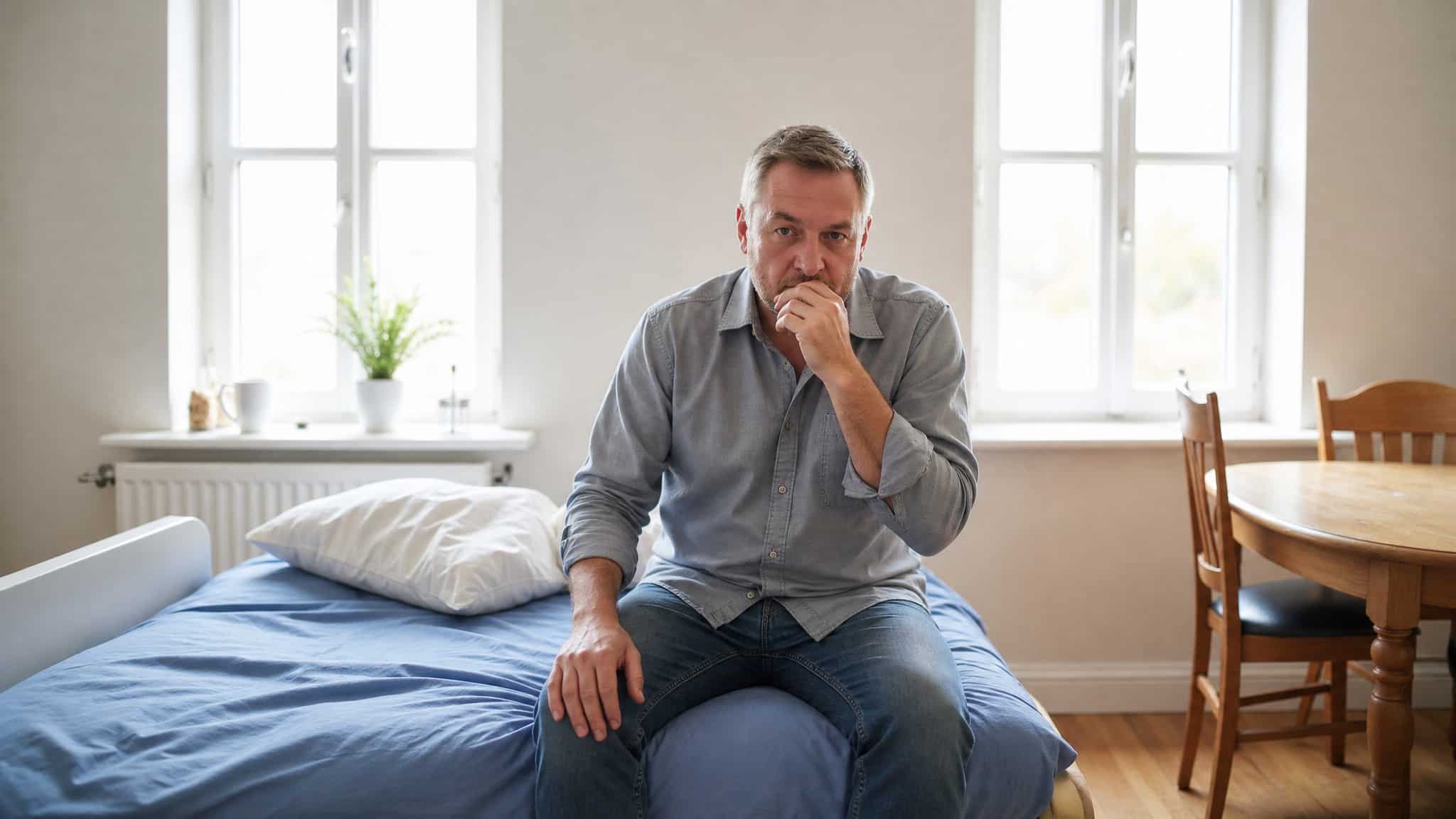
How long your post-surgery depression lasts depends on several factors. Your mental health history matters most. If you’ve experienced depression or anxiety before, your symptoms may persist longer. Chronic pain following your procedure can prolong post-operative depression, keeping you distressed weeks beyond typical recovery. The complexity of your surgery also shapes your recovery timeline. Major procedures, particularly cardiac surgeries, often carry more persistent emotional effects, with 15% to 20% of patients still struggling at six months. Complications extend healing on both physical and emotional fronts. Untreated depression rarely resolves quickly and can worsen over time. Recognizing these duration factors lets you monitor your progress and seek help when your symptoms don’t improve as expected. Depression after retirement can also present unique challenges, as the transition from a structured work life to unstructured leisure time may exacerbate feelings of isolation. Many retirees may find themselves struggling with their identity and purpose, leading to emotional distress.
How Is Normal Recovery Different From Lasting Depression
Normal recovery differs from lasting depression in its timing and trajectory. During normal healing, your mood dips in the first two to four weeks, then steadily improves as pain eases, sleep returns, and activity resumes. You’ll notice small gains week to week. Lasting post-op depression follows a different path: your symptoms don’t lift after two to three weeks, or they deepen despite physical progress. Watch how your mood tracks against your recovery. If you’re regaining energy and function, that’s expected. But if sadness, hopelessness, or disrupted sleep and appetite persist beyond three weeks and interfere with daily life, that signals more than routine post-op blues. Trust the trajectory. Improvement points to recovery, while stagnation or decline warrants a professional evaluation. Breakup depression duration can vary significantly from person to person. While some may feel relief after a few weeks, others might struggle for months.
What Can You Do to Speed Your Emotional Recovery

You can actively support your emotional recovery through small, consistent actions that ease post-operative stress, improve sleep, and lift your outlook as inflammation subsides. You don’t have to stay passive while your mood catches up with your physical healing.
- Manage pain effectively, since unrelieved discomfort prolongs depressive symptoms.
- Restore your sleep routine, because disrupted rest worsens mood and energy.
- Increase gentle activity as your surgical team clears you, since movement counters low motivation.
- Stay socially connected, because isolation deepens sadness and hopelessness.
- Contact your surgical team or a mental health professional if symptoms persist beyond two to three weeks.
These steps won’t rush recovery, but they’ll actively support it.
What Are the Signs It’s Becoming Something More Serious
Certain symptoms signal that your low mood is becoming something more serious than routine post-op blues. If your low mood lasts longer than two weeks without meaningful improvement, that’s a practical trigger to contact your surgical team or a mental health professional. Watch for symptoms that interfere with your sleep, appetite, energy, or daily functioning, since these suggest more than temporary blues. Ongoing hopelessness, severe sadness, or thoughts of self-harm require urgent attention, don’t wait to reach out. Persistent distress after surgery isn’t rare, but you shouldn’t assume prolonged symptoms are simply part of normal recovery. Roughly 20% to 40% of major-surgery patients develop clinically meaningful depression or anxiety, so you’re not alone. Feeling depressed after surgery can be distressing, making it difficult to engage in activities you once enjoyed. It’s crucial to recognize that seeking help is a sign of strength and can lead to effective coping strategies.
When Should You Seek Help
You should seek help if your symptoms last longer than two weeks without meaningful improvement. Recovery isn’t linear, but persistent distress shouldn’t be brushed off as normal post-op blues. Contact your surgical team or a mental health professional when you notice any of these:
- Symptoms lasting longer than 2 to 3 weeks with no improvement
- Disrupted sleep, appetite, or energy that interferes with daily functioning
- Ongoing hopelessness or severe, unshakable sadness
- Depression that’s worsening rather than easing over time
- Any thoughts of self-harm, which require urgent attention
You don’t need to wait until things feel unbearable. Early evaluation helps you recover faster and prevents symptoms from deepening.
Conclusion
Feeling low after surgery is common, and for many people the heaviness lifts within a few weeks as the body heals and energy returns. When sadness, hopelessness, or loss of interest linger well beyond that, it may be more than ordinary recovery and worth taking seriously. Rest, gentle movement, connection with people you trust, and patience with yourself all support your mood during this time. If depression after surgery is lasting or getting worse, you do not have to wait it out alone. National Depression Hotline can connect you with licensed counselors who help you find steady, lasting relief.
Find Support Through Life’s Hardest Moments
Whether depression follows surgery, retirement, or a major life change, professional support makes healing possible. Through National Depression Hotline serving New York, we connect you with licensed mental health counselors who provide the right Depression Treatment and compassionate support for your situation. Call +1 (866) 629-4564 today and take the first step toward healing.
Frequently Asked Questions
Can Anesthesia Directly Cause Depression After Surgery?
Anesthesia isn’t considered a direct cause of depression, but it can contribute to early mood changes after your surgery. You might notice that anesthesia effects, combined with post-operative stress, pain, sleep disruption, and reduced activity, temporarily affect how you feel. These early mood shifts often improve as your body recovers. If your symptoms persist beyond two weeks or interfere with daily functioning, it’s worth reaching out to your care team.
Are Antidepressants Safe to Take During Surgical Recovery?
Yes, antidepressants are generally safe during surgical recovery, but you’ll want to coordinate closely with your surgical team. Some medications can interact with anesthesia or affect bleeding, so don’t stop or start them on your own. If you’re already taking one, your doctors will usually advise continuing it. Should new depressive symptoms persist beyond two to three weeks, talk with your provider about whether treatment’s appropriate for you.
Does Post-Surgery Depression Affect Men and Women Differently?
Post-surgery depression can affect anyone, and while research on sex differences is mixed, some patterns show up. Women are diagnosed with depression more often overall and may be more likely to report low mood, while men may mask it as irritability, withdrawal, or physical complaints. Hormones, pain levels, the type of surgery, and personal history all shape the experience more than sex alone. What matters most is that lingering sadness after surgery, in anyone, is worth taking seriously and treating.
Can Children or Teenagers Experience Depression After Surgery?
Yes, children and teenagers can experience depression after surgery. You might notice mood changes in a young patient tied to post-operative stress, pain, sleep disruption, and reduced activity, much like adults face. If your child’s sadness, irritability, or withdrawal lasts longer than two weeks without improvement, reach out to their surgical team or a mental health professional. You’re right to take these emotional shifts seriously and seek timely support.
Is Post-Surgery Depression Linked to a Higher Relapse Risk Later?
You may face a higher relapse risk, especially if you’ve got a pre-existing mental health history or untreated symptoms. When depression lingers past a few weeks without improvement, it’s less likely to resolve on its own and can worsen over time. If you’re dealing with chronic pain or complications, your recovery may take longer. Don’t ignore persistent distress, reaching out for evaluation helps you catch and manage relapse early.