Retirement can leave you feeling depressed because it removes more than just a job. You lose the identity, purpose, routine, and social connections that work provided. This overlapping loss often triggers emptiness and disorientation. Add in social isolation, financial strain, or declining health, and your risk climbs higher, especially if the retirement wasn’t your choice. These feelings are real, common, and treatable. Understanding why they happen is the first step toward reclaiming your sense of meaning.
Key Takeaways
- Losing work removes identity, purpose, and status that many people build their sense of self around.
- The end of a career erases daily routine and structure, leaving emptiness and disorientation.
- Reduced workplace interactions increase social isolation and loneliness, key drivers of depression.
- Financial strain and declining health often accompany retirement, further worsening mood.
- Overlapping losses and involuntary retirement amplify the risk of persistent depressive symptoms.
Why Do People Get Depressed After Retirement
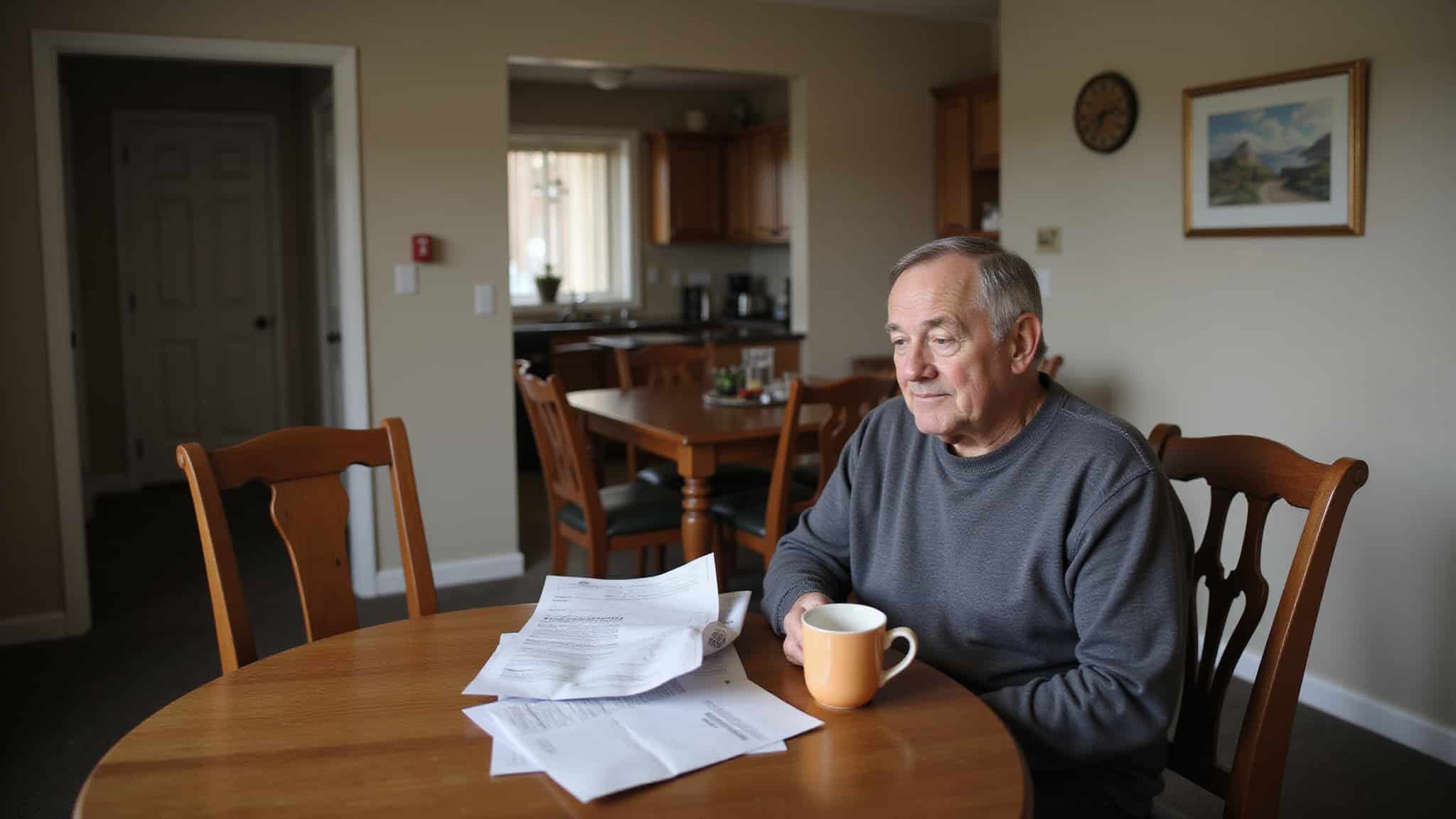
People get depressed after retirement partly because of social isolation. Work often provides regular contact, so retirement can sharply reduce your interactions, increasing loneliness. Add financial strain or declining health, and these overlapping losses can quietly erode your mood.
What Is Retirement Depression and How Common Is It
Retirement depression describes the depressive symptoms that can emerge during or after the transition out of work. It isn’t a single formal diagnosis, but rather a pattern of low mood, loss of interest, disrupted sleep, and diminished sense of purpose that often surfaces once your career ends. You might notice these feelings creeping in gradually or hitting suddenly after your last day.
It’s more prevalent than you’d expect. Research consistently links retirement to elevated rates of depression, especially when isolation, financial strain, or health decline accompany the change. Involuntary retirement raises the risk further.
If you’re experiencing this, you’re not alone, and it’s important to recognize that these symptoms are real, treatable, and worth addressing rather than dismissing as inevitable.
Why Does Losing Work Trigger Depression
Losing work triggers depression because it strips away your identity, structure, and connection to others all at once. Work does far more than fill your bank account, it anchors your identity, structures your days, and connects you to others. When your career ends, you may face identity loss and a fading sense of purpose, since work often supplies your status, contribution, and daily meaning. Without that role, you’re left asking “what now,” which can leave you feeling empty and directionless.
| Work Provides | What You Lose | Depression Risk |
|---|---|---|
| Identity | Sense of self, status | Identity loss, low mood |
| Purpose | Contribution, usefulness | Emptiness, directionlessness |
| Routine | Daily structure | Disorientation, stress |
| Connection | Coworker relationships | Isolation, loneliness |
If work was your main source of meaning rather than one part of a broader life, your risk climbs. Recognizing these losses helps you rebuild.
What Are the Warning Signs of Retirement Depression
The warning signs of retirement depression include persistent low mood that lingers beyond the normal adjustment period, rather than passing days of sadness. You might notice you’ve lost interest in activities you once enjoyed, or you’re withdrawing from social contact you previously valued. Pay attention to disrupted sleep, appetite changes, or unexplained fatigue. Difficulty concentrating, feelings of worthlessness, or a sense that you’re no longer useful can signal something deeper than boredom.
Because depression is often under-detected in older adults, don’t dismiss these signs as “just aging.” If empty time feels unbearable, or hopelessness sets in, take it seriously. Recognizing these patterns early gives you the best chance to seek help and recover.
Who Is Most at Risk After Retiring

The people most at risk after retiring are those who retired involuntarily, live alone, face financial strain, struggle with declining health, or have a history of depression. If your job supplied most of your identity, or you retired suddenly and against your wishes, you’re carrying added weight into this transition. Research consistently points to certain patterns that raise your vulnerability, and recognizing them early gives you a chance to prepare rather than react.
- The corner office cleared out overnight, replaced by silent, empty mornings
- A single place setting at a table built for gatherings
- Bank statements watched anxiously as fixed costs outpace shrinking income
- A cane by the door where running shoes once waited
You’re at higher risk if you retired involuntarily, live alone, face financial strain, struggle with declining health, or have a history of depression.
How Do You Build a Fulfilling Life After Retirement
Building a fulfilling life after retirement starts with replacing what work used to provide: purpose, structure, and connection. Since work often supplies a major part of your identity, you’ll need new sources of meaning, such as volunteering, mentoring, or pursuits that restore a sense of contribution and usefulness. Rebuild routine deliberately, because sudden unstructured time can create emotional disorientation. Planned activities and goals fill the empty blocks that otherwise feel aimless. Protect your social network, too, since work-based contact disappears abruptly and loneliness raises depression risk; cultivate friendships and regular interaction to counter isolation. Attend to your health and finances early, as both strongly influence mood and independence. If low mood persists, seek treatment, because under-detection worsens outcomes, and support meaningfully improves your engagement and well-being.
How Do You Find Help for Retirement Depression
Finding help for retirement depression begins with detection, because low mood often goes unrecognized and untreated in older adults, which worsens outcomes by eroding social integration and engagement in meaningful activity. Because under-detection is common, you shouldn’t wait for symptoms to resolve on their own. Talk to your primary care provider, who can screen for depression, review medications, and rule out contributing health conditions. If you’re at higher risk, facing involuntary retirement, living alone, or managing weak support, seek professional care promptly.
Don’t wait for low mood to lift on its own, early detection and professional care restore meaning and connection.
- A doctor’s office where a simple screening opens the conversation
- A therapist’s chair offering evidence-based talk therapy
- A support group circle where shared experiences reduce isolation
- A trusted friend’s kitchen table where you name what you’re feeling
Effective treatment restores meaning and connection.
Conclusion
Retirement is often pictured as pure freedom, yet for many people it brings an unexpected wave of low mood. The loss of routine, purpose, daily social contact, and a sense of identity can leave a real gap that takes time to fill. Building new structure, staying active, nurturing relationships, and finding fresh sources of meaning all help you adjust and thrive in this next chapter. If sadness lingers or deepens into something heavier, you do not have to face it alone. National Depression Hotline can connect you with licensed counselors who help you find purpose and steady support again.
Find Support Through Life’s Hardest Moments
Whether depression follows surgery, retirement, or a major life change, professional support makes healing possible. Through National Depression Hotline serving New York, we connect you with licensed mental health counselors who provide the right Depression Treatment and compassionate support for your situation. Call +1 (866) 629-4564 today and take the first step toward healing.
Frequently Asked Questions
Can Retirement Depression Go Away on Its Own Without Treatment?
Sometimes it can, especially if your low mood reflects a temporary adjustment to lost routine or identity. Once you rebuild structure, social connection, and purpose, your symptoms may lift on their own. But don’t count on it. Under-detected depression often worsens without support, particularly if you’re isolated, financially strained, or have a history of depression. If your symptoms persist or deepen, seek treatment, early help improves recovery and protects your wellbeing.
Does Moving to a New City Worsen Retirement Depression?
It can, especially if you’re moving away from your established social network. Relocating often shrinks your daily social contact and support systems, and loneliness and isolation are recognized risk factors for depressive symptoms in older adults. You’re also losing familiar routines and connections at once. That said, a move isn’t automatically harmful, if you rebuild social ties, structure, and purpose in your new city, you can protect your mood.
How Long Does the Retirement Adjustment Period Usually Last?
Your adjustment period typically lasts somewhere between six months and two years, though this varies widely from person to person. You’ll often feel the hardest hit in the first year, especially if you’ve lost routine, purpose, or social contact. If you’re facing involuntary retirement or weak support, it can take longer. When low mood persists beyond two years or worsens, it’s worth reaching out for professional help.
Can Antidepressant Medication Interact With Common Medications for Older Adults?
Yes, antidepressants can interact with medications you might already take. If you’re managing blood thinners, heart medications, or drugs for chronic conditions, some combinations raise risks like bleeding or altered drug levels. That’s why you shouldn’t start or stop anything on your own. Talk with your doctor or pharmacist, and share your full medication list. They can adjust doses or choose safer options to protect your health while supporting your mood.
Does Gradual or Phased Retirement Reduce Depression Risk?
Yes, phasing your retirement can lower your depression risk. When you scale back gradually, you keep some routine, social contact, and sense of purpose instead of losing them all at once. That softer transition gives you time to build replacement habits, relationships, and goals. You’ll also feel more in control, which matters since involuntary, abrupt exits carry higher risk. Easing out lets you adjust emotionally, not just financially.