Doctors recommend ECT when you’re facing severe depression with psychotic features, active suicidal urges, or life-threatening refusal to eat or drink. You’re also a candidate if you’ve tried multiple antidepressants without relief, or if daily functioning stays severely impaired despite treatment. It’s often preferred during pregnancy, in older adults, or when depression recurs after previous success. Roughly 80% of patients see substantial improvement. Here’s what you need to know before starting. Tms therapy for depression is another option that might be considered for those who have not found relief with traditional treatments.
Key Takeaways
- ECT is used for severe depression with psychotic features or detachment from reality.
- It provides urgent intervention for active suicidal urges requiring rapid relief.
- ECT treats life-threatening exhaustion from refusal to eat or drink.
- It is used for treatment-resistant depression after multiple antidepressant trials fail.
- ECT helps when severe daily-function impairment persists despite medication and other approaches.
When is ECT used for depression
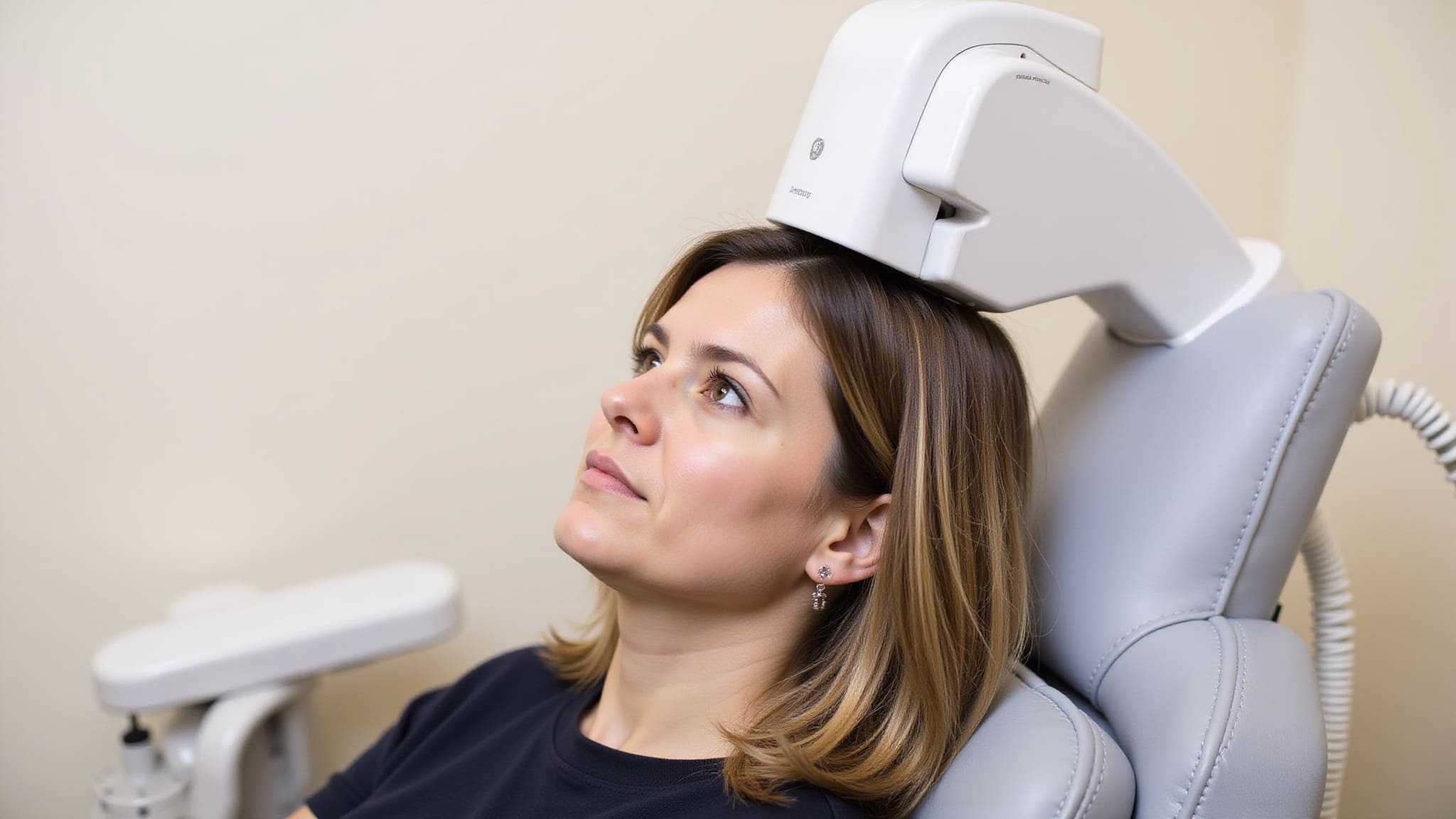
ECT is used for severe depression that involves psychotic features or detachment from reality. Electroconvulsive therapy also serves urgent cases where active suicidal urges demand rapid intervention, or when refusal to eat or drink causes life-threatening physical exhaustion. You’ll find severe depression treatment with ECT indicated for treatment-resistant depression, conditions unresponsive to multiple antidepressant trials. When your daily activities remain impaired despite medication and other approaches, ECT warrants consideration.
Special populations benefit too. If you’re pregnant and medications risk harming the fetus, ECT offers an alternative. Older adults and debilitated patients who can’t tolerate drug side effects often show safer ECT profiles. If you’ve responded successfully to prior ECT, clinicians recommend repeat courses when symptoms recur, or when you prefer it over daily medicines.
What is electroconvulsive therapy
Electroconvulsive therapy is a procedure in which small electric currents pass through your brain under general anesthesia to intentionally trigger a brief, controlled seizure. This seizure produces changes in your brain chemistry that can quickly improve symptoms of severe mental health conditions. At the molecular level, ECT treatment improves communication between neurons in specific brain regions known to respond to antidepressant drugs.
Specific monitoring during the procedure ensures the benefit-to-risk ratio stays favorable for your safety when you undergo ECT for depression. A full course of ECT often produces results when other treatments, including psychotherapy and medication, don’t help.
You’ll receive this intervention under controlled clinical conditions, where the deliberately induced seizure drives the therapeutic changes responsible for relieving your severe depressive symptoms. Ketamine for resistant depression has emerged as a potential breakthrough for patients who have not responded to traditional therapies. Clinical trials are ongoing to better understand its efficacy and safety profile.
When do doctors recommend ECT for depression
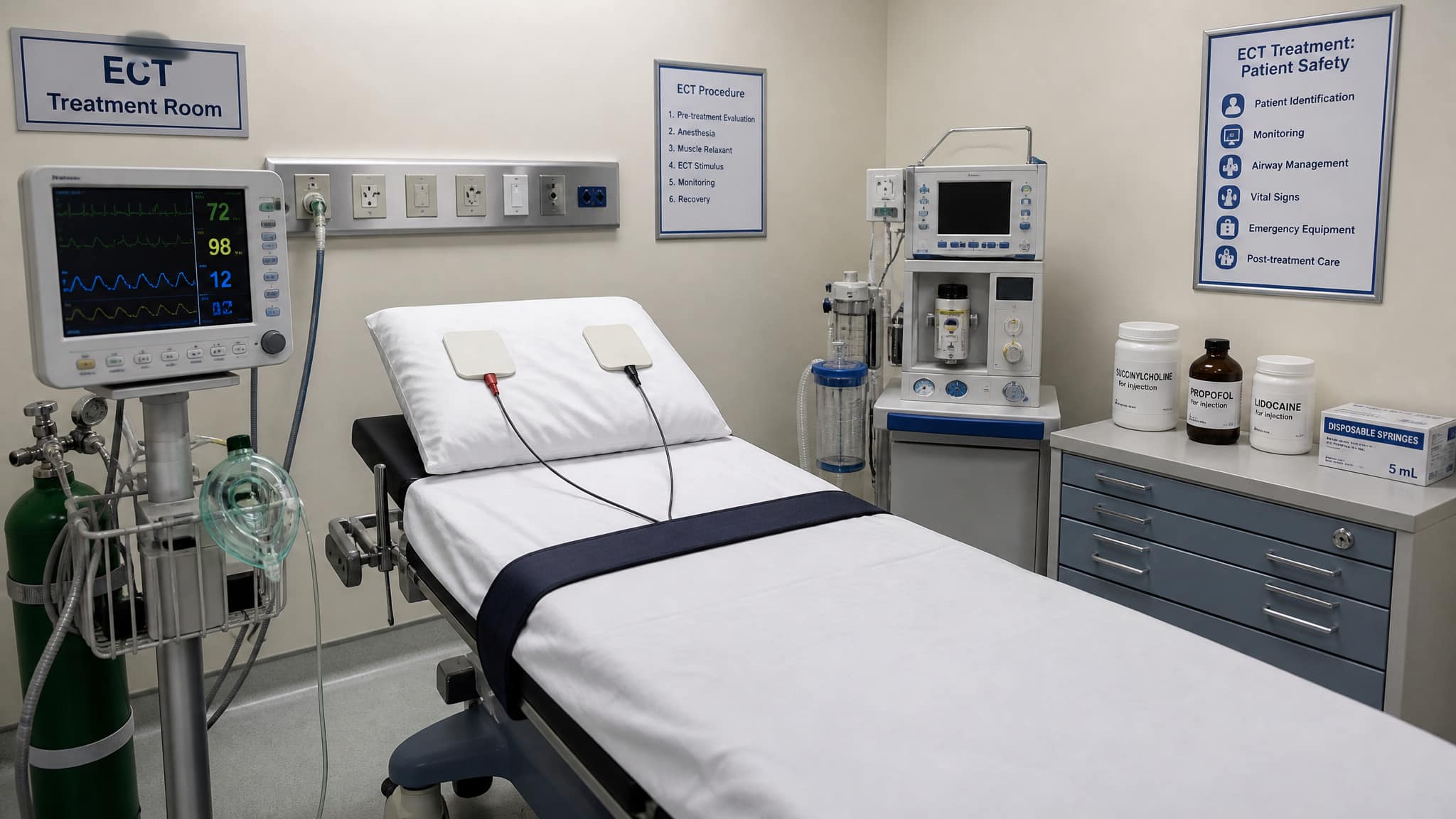
Doctors recommend ECT for depression when your severe depression is accompanied by psychotic phenomena or detachment from reality. If you’re experiencing active suicidal urges or a strong desire to attempt suicide, this constitutes a critical emergency requiring rapid ECT intervention. Should you refuse to eat or drink, leading to life-threatening physical exhaustion, you’ll qualify for urgent treatment. Doctors also consider ECT if you have treatment-resistant depression, a condition unresponsive to multiple antidepressant medication trials. When your severe depression impairs daily activities and fails to improve with medication or other approaches, ECT becomes a necessary consideration. NICE guidelines reserve ECT for severe depression when other treatments fail, or in emergencies characterized by imminent suicide risk or life-threatening conditions after adequate trials.
What happens during an ECT procedure
An ECT procedure involves receiving general anesthesia before small electric currents pass through your brain to intentionally cause a brief, controlled seizure. This seizure triggers changes in your brain chemistry that can rapidly improve symptoms of severe depression. At the molecular level, these changes allow increased communication between neurons in specific brain regions known to respond to antidepressant drugs.
Throughout the procedure, you’ll undergo specific monitoring to ensure the benefit-to-risk ratio stays favorable and to maintain your safety. Because you’re under anesthesia, you won’t feel the seizure or experience pain during treatment.
A full course of ECT often produces results when other treatments, including psychotherapy and medication, haven’t helped. You’ll typically complete multiple sessions to achieve substantial symptom improvement and, ideally, remission.
How effective is ECT for depression

ECT delivers substantial improvement in roughly 80% of patients with uncomplicated but severe major depression. The data consistently favor ECT in severe and treatment-resistant cases. Different depression treatment options are being explored to enhance patient outcomes. New therapies, including advanced medication regimens and innovative psychotherapy techniques, are showing promise.
For severe major depression, ECT achieves substantial improvement in roughly 80% of patients, a reliability antidepressants and rTMS rarely match.
Consider these documented efficacy statistics:
- 80% improvement in uncomplicated but severe major depression.
- 80, 95% effectiveness in psychotic depression and catatonia cases.
- 50, 60% general remission rates for major depressive disorder without maintenance treatment.
- 60% overall effectiveness across diverse depression severity levels.
ECT outperforms antidepressants and repetitive transcranial magnetic stimulation in severe or treatment-resistant presentations. These figures reflect why clinicians recommend ECT when rapid, reliable response matters most for your recovery.
What are the side effects and risks of ECT
ECT carries risks you’ll want to weigh before consenting, even though it delivers strong efficacy in severe depression. Because the procedure uses general anesthesia to induce a controlled seizure, you’ll face standard anesthetic risks alongside procedure-specific effects. Specific monitoring during treatment maintains your benefit-to-risk ratio, but you can still expect side effects. The seizure and resulting changes in brain chemistry may leave you with transient confusion after each session. Since molecular changes affect communication between neurons in targeted brain regions, memory disturbances are commonly reported, particularly around the treatment period. You’ll typically undergo a full course rather than a single session, so you should discuss cumulative effects with your clinician. Informed consent is used where possible, giving you the chance to evaluate these risks thoroughly.
How do you access ECT treatment
Access to ECT treatment typically begins with a psychiatric evaluation confirming that you meet clinical indications. NICE recommends ECT only for severe depression after other treatments fail, or in emergencies involving suicidality or psychosis. Your pathway generally follows these steps:
- Comprehensive assessment confirming treatment-resistant depression, psychotic features, catatonia, or life-threatening physical decline from refusing food or fluids.
- Specialist referral to a psychiatrist who evaluates whether you’ve exhausted adequate antidepressant trials.
- Informed consent, obtained where possible, particularly in treatment-resistant major depressive disorder cases.
- Pre-procedure medical clearance, including anesthesia evaluation, ensuring an acceptable benefit-to-risk ratio.
If you’ve responded well to prior ECT, you’re recommended for repeat courses when symptoms recur.
Explore Advanced Depression Treatment Options
When traditional therapy and medication haven’t brought the relief you need, advanced treatments like TMS and ketamine can open new doors to healing. Through National Depression Hotline serving California, our trained professionals are available 24/7 who can guide you toward the right Depression Treatment program for your specific needs. Call +1 (866) 629-4564 today and take the first step toward healing.
Frequently Asked Questions
How Many ECT Sessions Are Typically Needed for Full Treatment?
Most people have a course of about six to twelve sessions, usually two or three times a week. Some notice improvement partway through, while others need the full course. Your psychiatrist tracks your response and decides the right number, and some people continue occasional maintenance sessions afterward.
Can ECT Be Combined With Antidepressant Medications During Treatment?
Yes. ECT is often used alongside antidepressants, and medication frequently continues afterward to help hold the gains. Your care team reviews your full medication list to avoid interactions and adjust doses as needed. The combination is planned and monitored closely by your psychiatrist.
How Long Do the Benefits of ECT Last After Treatment?
The benefits vary. Many people feel significantly better for months, and continued medication or maintenance ECT helps extend that relief. Without follow-up care, symptoms can return, which is why an aftercare plan matters. Your team will map out how to protect your progress once the main course ends.
Is ECT Covered by Insurance or Health Plans?
ECT is a well-established treatment and is often covered, especially for severe or treatment-resistant depression, though plans vary and many require prior authorization. Check your specific benefits, any copays, and whether the facility is in network. The treatment center’s billing office can help you confirm coverage.
Can Children or Adolescents Safely Receive ECT Treatment?
It’s used rarely in young people and only in severe cases when other treatments haven’t worked, with extra safeguards and specialist oversight. A child and adolescent psychiatrist weighs the benefits and risks carefully with the family. When it is used, it’s closely monitored at every step.