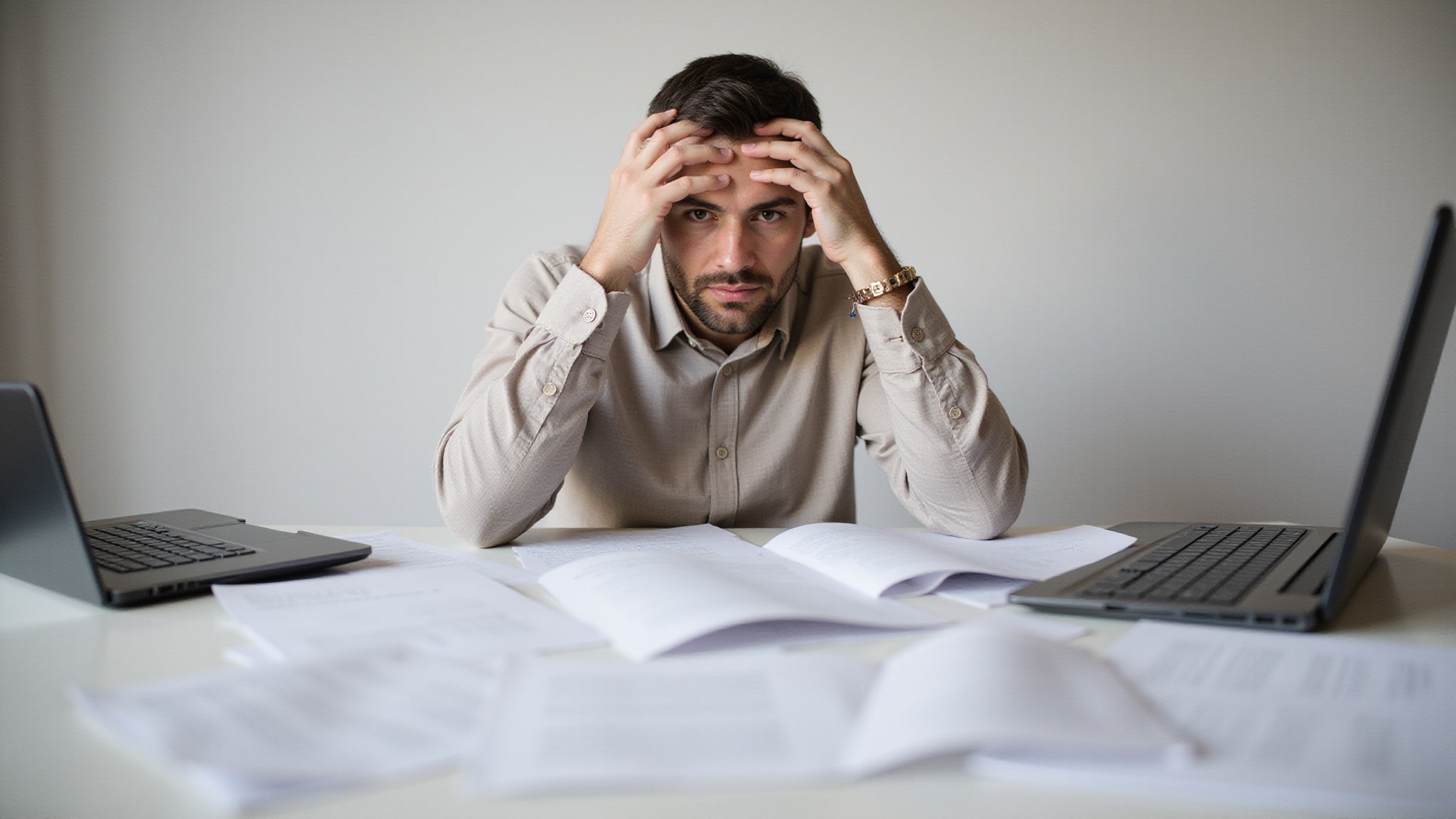
Yes, too much caffeine can make your depression worse. High intake is consistently linked to increased anxiety, jitteriness, and agitation, which can amplify depressive distress. Once caffeine wears off, you may notice a mood crash. It also disrupts your sleep, and poor rest lowers your next-day mood. Individual sensitivity matters, so effects vary from person to person. Understanding how these mechanisms work can help you protect your mood more effectively.
Key Takeaways
- High caffeine intake is consistently linked to worsened depressive symptoms, unlike moderate intake which may lower depression risk.
- Excessive caffeine increases anxiety, jitteriness, and agitation, amplifying depressive distress and even triggering dysphoria at very high doses.
- Caffeine’s short-term mood lift fades quickly, causing a post-wear-off mood drop that can deepen low feelings.
- Late-day caffeine disrupts sleep, and resulting sleep loss worsens next-day mood and depression.
- Withdrawal from caffeine causes fatigue, irritability, and low mood, so gradual tapering and staying under 400 mg daily helps.
Can Too Much Caffeine Make Depression Worse

Too much caffeine can worsen depression for some people, though the evidence is mixed. Moderate intake sometimes links to lower depression risk in population studies, but high intake more consistently associates with symptom aggravation. When you drink too much, caffeine can increase anxiety, jitteriness, and agitation, amplifying depressive distress. It can also trigger dysphoria and inner tension at very high doses.
One major pathway is sleep disruption. Caffeine makes it harder to fall asleep and stay asleep, and sleep loss tends to worsen depression and lower next-day mood. Withdrawal adds another layer, since the drop after caffeine’s stimulating effect wears off can intensify low mood. If you’re sensitive or have a mood disorder, these effects may feel stronger.
How Does Caffeine Affect Your Brain and Mood
Caffeine affects your mood by stimulating your central nervous system, temporarily increasing alertness and arousal. This short-term lift often feels helpful, but the effect isn’t lasting. Once it wears off, you may notice a drop in energy and mood, sometimes more sharply if you have depression.
At higher intake, that same arousal can tip into anxiety, jitteriness, and racing thoughts. These effects can amplify distress rather than ease it. Research suggests the relationship is non-linear, so moderate amounts may affect you differently than excessive amounts. Weed and depression over time can create a complicated dynamic for many individuals. Exploring different methods of consumption and dosage may help alleviate some of the negative experiences associated with it.
Your individual sensitivity matters too. If you’re prone to anxiety or mood instability, you might experience stronger, less predictable shifts from the same dose.
How Can Too Much Caffeine Worsen Depression and Anxiety

Too much caffeine worsens depression and anxiety through several mechanisms that can amplify symptoms at once. High intake raises anxiety, jitteriness, and agitation, while restlessness and racing thoughts can intensify depressive distress. Physical effects like palpitations, headaches, and nausea add to your perceived symptom burden, and very high doses may trigger dysphoria or panic.
| Mechanism | Effect on You | Threshold Concern |
|---|---|---|
| Sleep disruption | Worsens next-day mood | Later-day intake |
| Withdrawal rebound | Fatigue, irritability | Inconsistent use |
| Anxiogenic arousal | Panic, tension | >400 mg/day |
If you have an existing mood disorder or caffeine sensitivity, you’re more likely to notice these effects. The relationship isn’t simple. Dose matters, and exceeding roughly four cups daily consistently raises your risk of symptom aggravation.
How Does Caffeine Disrupt Sleep and Deepen Symptoms
Caffeine disrupts sleep and deepens symptoms by making it harder to fall asleep and reducing how well you stay asleep. Even coffee you drink hours before bed can interfere with sleep quality, so timing matters more than you might expect. That sleep loss isn’t trivial. It can worsen your depression symptoms and lower your mood the next day. Researchers describe caffeine’s benefits as temporary, often offset by this sleep interference. Sleep, wake instability is identified as one of the main ways caffeine affects how depressive symptoms show up. If your intake is high or inconsistent, you’re more likely to experience the kind of disrupted rest that reinforces low mood.
Can Caffeine Withdrawal Also Affect Your Mood

Yes, caffeine withdrawal can affect your mood. Caffeine produces a short-term stimulating effect, and when that effect wears off, you can experience a noticeable drop in mood. If you have depression, this post-stimulant decline may feel more severe. Withdrawal-related fluctuations can mimic or intensify depressive symptoms, including irritability, fatigue, and low mood, particularly when you miss your usual dose. Nicotine withdrawal and mental health can also present similar challenges. Many individuals may experience heightened anxiety or mood swings when trying to quit smoking. Understanding these connections is crucial for managing both withdrawal symptoms and overall mental well-being.
Heavy or frequent use raises your risk of rebound fatigue and mood swings. Inconsistent intake patterns make these swings more noticeable, since your body cycles repeatedly through stimulation and withdrawal. If you use caffeine irregularly, experience high stress, or already have unstable sleep, these fluctuations may be larger. Keeping intake consistent, or tapering gradually, can help reduce withdrawal-driven mood instability.
How Do You Cut Back on Caffeine Safely
Cut back on caffeine safely by tapering gradually rather than quitting abruptly. Abrupt cessation can trigger withdrawal effects like fatigue, irritability, headaches, and low mood, which may mimic or intensify depressive symptoms. Reduce your intake slowly, trimming roughly 10 to 25% every few days, so your system adjusts without sharp rebound effects.
Track all sources, including coffee, tea, energy drinks, and some medications, to stay under 400 mg daily and identify hidden contributors. Shift consumption earlier in the day to protect sleep, since late intake disrupts rest and worsens next-day mood.
Substitute with decaf, herbal tea, or water to maintain habits while lowering the dose. If you’re sensitive or have a mood disorder, consider discussing your plan with a clinician first.
When Should You Seek Help for Depression
Depression needs professional attention rather than self-management like adjusting caffeine when your symptoms persist despite lifestyle changes. Cutting back on caffeine may ease sleep and anxiety, but it won’t resolve clinical depression. If your symptoms persist despite lifestyle changes, seek evaluation. Watch for these warning signs:
- Persistent low mood lasting two weeks or more, unrelieved by dietary or sleep adjustments.
- Functional impairment affecting work, relationships, or daily responsibilities.
- Physical symptoms like appetite or sleep changes that continue after reducing caffeine.
- Thoughts of self-harm or suicide, which require immediate emergency care.
Don’t delay contacting a healthcare provider if these appear. A clinician can distinguish caffeine-related mood effects from a depressive disorder and recommend evidence-based treatment tailored to your needs.
Conclusion
Caffeine in moderation is fine for most people, but too much can worsen how depression feels by disrupting sleep, raising anxiety, and leaving you drained once the effect wears off. Cutting back gradually, watching your intake in the afternoon, and paying attention to how your body responds can make a real difference in your mood. Caffeine is only one piece of the picture, though, and it is not the root cause of depression. If low mood is holding on regardless of what you change, National Depression Hotline can connect you with licensed counselors who help you find lasting relief. Reaching out is a strong first step.
Call Today and Take Control of Your Wellbeing
Whether it’s screen time, nicotine, or another daily habit affecting your mood, professional guidance helps you find lasting balance. Through National Depression Hotline serving New London County, we connect you with licensed mental health counselors who provide the right Depression Treatment program tailored to your situation. Call +1 (866) 629-4564 today and begin a healthier chapter in your life.
Frequently Asked Questions
Is Decaf Coffee a Safer Option for People With Depression?
Yes, decaf can be a safer option if you’re sensitive to caffeine’s effects on mood and sleep. Since it contains only trace amounts, you’ll likely avoid the anxiety, jitteriness, sleep disruption, and withdrawal swings that can worsen depression symptoms. Decaf isn’t completely caffeine-free, so it may still affect highly sensitive people. If you’re managing a mood disorder, switching to decaf’s a reasonable, low-risk adjustment worth trying.
Are Tea and Energy Drinks Less Risky Than Coffee?
It depends on the caffeine dose, not just the source. Tea’s usually lower in caffeine per serving, so it may feel gentler on your sleep and anxiety. Energy drinks, though, can match or exceed coffee and often add sugar and other stimulants, potentially worsening your symptoms. What matters most is your total daily intake across all sources, ideally under 400 mg. So track everything, and watch how you respond.
Can Caffeine Trigger Depression in People Without Prior Mental Illness?
There’s no clear evidence that caffeine directly triggers depression if you’ve had no prior mental illness. Research hasn’t established a causal link. However, if you consume too much, you might experience disrupted sleep, anxiety, agitation, and withdrawal-related mood swings that can lower your mood. These effects are typically temporary and dose-dependent. You’re more vulnerable if you’re caffeine-sensitive or have irregular sleep. Moderating your intake helps you avoid these mood consequences.
How Long Does It Take Mood to Improve After Quitting Caffeine?
You’ll likely notice mood improvements within 1 to 4 weeks after quitting, though timelines vary. Early on, you might feel worse, withdrawal can bring fatigue, irritability, headaches, and low mood for several days to a couple of weeks. Once your sleep stabilizes and withdrawal resolves, mood often lifts. The evidence here’s limited, and individual factors like sleep quality, sensitivity, and existing mood disorders affect how quickly you’ll improve.