Yes, frequent weed use can make you depressed over months. Longitudinal studies link regular cannabis use with higher depression risk, showing odds ratios around 1.17 to 1.29 for later depressive disorders. If you’re a heavy user, your odds climb to roughly 1.62. The relationship’s bidirectional: cannabis can raise your depression risk, and depression can drive your use. THC also disrupts your brain’s mood signaling over time. Understanding how this unfolds can protect your mental health.
Key Takeaways
- Frequent cannabis use is linked to a modestly higher depression risk, with meta-analyses showing odds ratios around 1.17 to 1.29.
- Heavy use shows a stronger dose-response effect, raising the odds of later depression to roughly 1.62.
- The relationship is bidirectional: cannabis use can heighten depression, while depression can drive increased cannabis use.
- Repeated THC exposure downregulates CB1 receptors, blunting mood and potentially causing anhedonia, irritability, and withdrawal-related low mood.
- Short-term follow-ups show more depressive symptoms within years, though the strongest effects typically emerge over longer periods.
Does Weed Make You Depressed Over Time

Weed can make you depressed over time, and the research points to a real but nuanced association. Longitudinal studies consistently link frequent cannabis use with higher depression risk, with meta-analyses reporting odds ratios around 1.17 to 1.29 for later depressive disorders. The relationship appears bidirectional: cannabis use can raise your depression risk, and depression can drive increased use. That makes clean causal claims difficult, but the association holds even after researchers control for baseline mood and confounders. One prospective cohort found more depressive symptoms at three-year follow-up, and a community sample reported users were four times more likely to experience depressive symptoms 14 to 16 years later. So the signal’s real, though not simply one-directional.
How Does Cannabis Affect Mood and Brain Chemistry
Cannabis affects mood by acting on your brain’s endocannabinoid system, the network that helps regulate emotion, stress, and reward. When you use THC frequently, you disrupt this system’s natural signaling, which can shift how you process pleasure and manage stress over time. Regular exposure prompts your brain to adjust its own receptors, potentially blunting the emotional responses that support stable mood.
- THC binds CB1 receptors, temporarily boosting reward signals but downregulating them with repeated use.
- Frequent use drives dependence, and withdrawal often triggers low mood, irritability, and anhedonia.
- Altered dopamine and serotonin activity can flatten your emotional range and heighten depressive symptoms.
These neurochemical changes help explain why heavier, sustained cannabis use correlates with worsening mood rather than lasting relief.
Does Weed Cause Depression or Just Worsen It
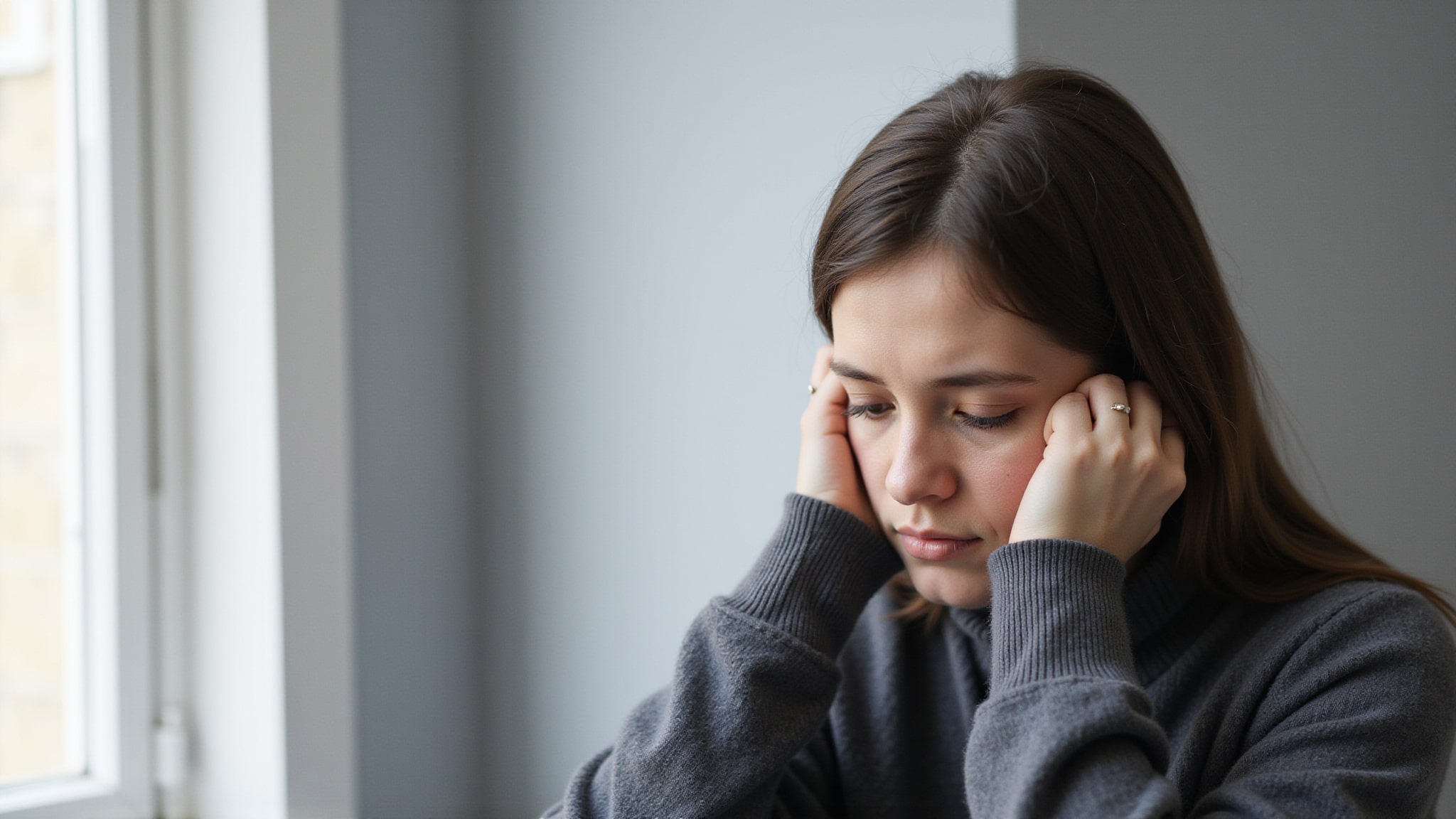
Weed does not clearly cause depression, though it can worsen existing depression and modestly raise later risk. The evidence points to a bidirectional relationship: cannabis use can raise your later depression risk, while depression can also drive increased use. You won’t find proof of a simple, one-way cause. Instead, studies show associations that persist even after controlling for baseline mood.
| Finding | Evidence | Interpretation |
|---|---|---|
| Small increased risk | OR 1.17 to 1.29 | Association, not causation |
| Heavy use | OR 1.62 | Dose-response signal |
| Poorer prognosis | Systematic reviews | Worsens existing MDD |
| Depression first | Some cohorts | Reverse pathway exists |
| Symptoms persist | After confounders | Residual effect likely |
What Does the Research Say About Long-Term Use
Research on long-term cannabis use shows that frequent use consistently links to worse depression outcomes. Prospective cohorts show more depressive symptoms at 3-year follow-up, and one community sample found users were four times more likely to report depression after 14 to 16 years. Reviews spanning ages 18 to 64 confirm that cannabis use predicts increased depressive symptoms over time, often persisting after controlling for baseline depression and confounders.
- Dose matters: heavy users carry roughly 1.62 times the odds of later depression versus non-users.
- Symptoms accumulate: anhedonia, sleep disturbance, and psychomotor problems appear more often at follow-up.
- Effects may fade: some studies find no significant differences 20 years after last use.
You’re not seeing improvement, you’re seeing risk.
Can Regular Weed Use Lead to Dependence and Low Mood

Yes, regular cannabis use can lead to dependence and low mood. When you use daily or near-daily, your risk of depression rises, with heavy users showing higher odds (OR 1.62) than lighter users. The relationship runs both ways: cannabis use can increase later depression, and depression can drive increased use. If you’re leaning on weed to manage low mood, you might reinforce dependence while your symptoms persist or worsen. Longitudinal studies link frequent use with more anhedonia, sleep disturbance, and psychomotor problems over time. Each factor predicts the other. Public-health guidance suggests reducing or stopping frequent use may improve your chances of recovering from long-term depression.
How Do You Cut Back to Protect Your Mental Health
Cut back by tracking your current pattern, since daily or near-daily use carries the strongest depression risk. Public-health guidance suggests that reducing frequent cannabis use may improve your chances of recovering from long-term depression. Rather than quitting abruptly, taper gradually and monitor your symptoms as you go.
- Set a schedule: Shift from daily use toward weekly or less, since heavier use shows higher odds of depression (OR 1.62).
- Track your mood: Note changes in sleep, anhedonia, and energy over weeks.
- Seek support: Talk to a clinician, especially if depression preceded your use.
If your low mood persists, professional treatment addresses both the dependence and the depression together. Caffeine’s impact on mood stability has been a topic of interest for many researchers. Studies suggest that while moderate caffeine consumption can boost energy levels, excessive intake may lead to increased anxiety.
When Should You Seek Help for Weed and Depression
Seek help when cannabis use and depression start feeding each other over time. If you’ve cut back but your depressive symptoms persist, that’s a signal to reach out. Watch for anhedonia, sleep disturbance, and psychomotor problems that last beyond a few weeks, since these predict poorer outcomes in longitudinal studies. Seek help if you’re using daily or near-daily and can’t stop despite worsening mood, because heavier use carries greater risk (OR 1.62). Don’t wait for a crisis. Talk to a clinician if depression came first and you’re using cannabis to cope, since each can worsen the other. Public-health sources note that reducing or stopping frequent use improves your chances of recovering from long-term depression, so professional support strengthens that outcome.
Conclusion
For some people, frequent cannabis use can deepen depression over time rather than relieve it. Regular use can affect motivation, sleep, and brain chemistry, and what starts as a way to cope may quietly make low mood harder to shake over the months. The relationship is complex and varies from person to person, but if you have noticed your mood sliding as use has increased, that connection is worth taking seriously. Cutting back and seeking support can help you find steadier ground. National Depression Hotline can connect you with licensed counselors who help you sort out what is really going on and feel better.
Find the Right Support for Depression Today
Everyday habits, substances, and lifestyle choices can quietly shape your depression in unexpected ways. Through National Depression Hotline serving Richmond County, we connect you with licensed mental health counselors who provide the right Depression Treatment and compassionate support for your needs. Call +1 (866) 629-4564 today and take the first step toward healing.
Frequently Asked Questions
Does CBD Affect Depression Differently Than THC?
Yes, they act quite differently. CBD is non-intoxicating and is being studied for possible calming and mood effects, though the evidence is still early. THC, the compound that causes a high, can lift mood briefly but may worsen anxiety, paranoia, and depression with heavier or regular use. Because products vary widely in their CBD-to-THC balance, effects differ a lot from person to person. If you are managing depression, talk with your doctor before using either, especially alongside other medications.
Can Quitting Weed Cause Temporary Mood Changes or Withdrawal?
Yes, quitting weed can cause temporary mood changes and withdrawal, especially if you’ve been using frequently or heavily. You might notice irritability, anxiety, low mood, restlessness, or sleep disturbances in the days after stopping. These symptoms are typically short-lived and tend to ease over time. If your mood doesn’t improve, or you’re struggling with persistent depression, it’s worth talking with a healthcare provider for support.
Are Edibles Riskier for Depression Than Smoking?
Edibles carry some particular risks. Because they take longer to take effect, it is easy to consume too much, leading to stronger and longer-lasting effects that can spike anxiety or low mood. The higher and more prolonged THC exposure from an accidental large dose may hit mental health harder than a smaller inhaled amount. Neither method is a treatment for depression, and heavy use of either can make symptoms worse. If you are struggling, it is worth talking with a professional about safer ways to cope.
Does Age of First Use Influence Depression Risk?
Yes. Starting cannabis use in the teen years, when the brain is still developing, is linked to a higher risk of depression and other mental health problems later on. Early and frequent use appears to have a stronger effect than occasional use that begins in adulthood. This does not mean every young user will develop depression, but the earlier and heavier the use, the greater the risk. Delaying use and keeping it moderate are the safest choices for mental health.
Can Antidepressants Safely Be Combined With Cannabis Use?
It is best to be cautious. Cannabis can interact with antidepressants, potentially increasing side effects like drowsiness, dizziness, or changes in mood, and it may make the medication less effective at managing your symptoms. Because responses vary and research is limited, you should never combine them without telling your prescriber. Be honest with your doctor about any cannabis use so they can watch for interactions and help you make the safest choice for your treatment.