Depression and Why It May Be Worse in the Morning
The symptoms of depression can take their toll on your everyday life, making it hard to carry out even mundane activities. However, if your depression feels particularly bad in the mornings, it’s not a figment of your imagination. This article explores the characteristics of depression, how it affects people’s minds and bodies, and why symptoms may be worse in the morning.
When you wake up, your body releases a surge of cortisol while serotonin and dopamine sit at their lowest levels of the day. At the same time, inflammatory markers like interleukin-6 can peak in the early morning hours, directly worsening depressive symptoms. If your circadian rhythm is misaligned, something that commonly occurs with depression, you may be forced awake during your brain’s lowest-energy phase. Together, these biological factors can create a compounding effect that makes mornings feel especially difficult.
What Is Depression and What Are the Symptoms?
Depression is a mental health disorder characterized by deep feelings of sadness. Although it’s hard to distinguish between sadness and depression, depression lasts longer and can affect a person’s ability to work, sleep, and maintain a healthy lifestyle.
One of the key differences between depression and sadness is that you can’t just snap out of depression. Situational sadness usually occurs after a life-altering event, such as job loss, a divorce, or the loss of a loved one. It usually gets better with time.
Clinical depression or major depressive disorder, however, is a chronic condition that requires treatment. Some symptoms of this type of depression include:
- Extended period of feeling down: When your feelings of hopelessness or despair are long-term and extend over months or even years, there is a good chance you are suffering from clinical depression. People with clinical depression often feel a deep sense of hopelessness and sadness without any apparent reason.
- Lack of energy: People suffering from depression typically have low energy levels and may prefer to stay in and sleep most of the day. They also may feel fatigued even after undemanding activities like cooking or cleaning.
- Changes in eating behavior: People with depression may gain a significant amount of weight or lose weight. This change in their eating habits, coupled with other symptoms, is often a clear sign of depression.
- Loss of interest or pleasure: Many people with depression find it difficult to enjoy hobbies and activities they once took pleasure in doing. This loss of interest can include avoiding family events and spending time with friends.
- Physical aches: Depression sometimes manifests as random headaches, pains, and aches throughout the body, such as back pain, shoulder pain, or muscle pain. Additionally, some people may have digestive issues.
The Types of Depression
You may be surprised to discover that there isn’t just one type of depression; there are quite a few. Although the symptoms of depression are the same, the root causes can vary. Here are some types of depression.
Major Depressive Disorder
Major depressive disorder (MDD) is the most common type of depression. It is also the most severe and can affect a person’s work or school performance.
Persistent Depressive Disorder
Persistent depressive disorder (PDD) is a milder form of MDD, but it is chronic and can last for years. For people with PDD, their symptoms may swing back and forth from severe to mild.
Disruptive Mood Dysregulation Disorder
Disruptive mood dysregulation disorder (DMDD) occurs in children and teenagers and is characterized by temper outbursts and extreme irritability. Children with this condition typically exhibit anger and negative moods throughout the day.
Seasonal Affective Disorder
Seasonal Affective Disorder (SAD) is a type of depression that occurs during winter when individuals get less sunlight exposure and spend more time indoors. Symptoms include low energy levels, disrupted sleep patterns, and a feeling of hopelessness. A common treatment for SAD is light therapy. It involves sitting by a special lamp simulating sunlight for about 30 minutes daily, usually in the morning.
MDD With Psychosis
MDD with psychosis is a rather severe form of depression and is accompanied by hallucinations or delusions during depressive episodes. It affects between 10% and 19% of people with MDD.
Postpartum Depression
Postpartum depression occurs in women after giving birth. The cause may be due to hormonal changes. Some symptoms include feelings of sadness as well as an inability to bond with the newborn baby.
Premenstrual Dysphoric Disorder
Premenstrual dysphoric disorder (PMDD) occurs in women right before their period. For many who experience PMDD, their periods are more painful than the norm. Symptoms of PMDD are mood swings, sadness, and irritability.
Atypical Depression
Atypical depression is just that: a condition where individuals experience periods of elevated mood and increased energy between depressive cycles. Other symptoms include a heavy feeling in both arms and legs, hypersomnia, and difficulty concentrating. Atypical depression affects about 15%-36% of people suffering from depressive disorder.
Why Is Depression Worse in the Morning?
Some individuals with depression may find that their symptoms are worse in the morning. While this may seem like a strange phenomenon, it isn’t. Several factors contribute to the increased severity of depressive symptoms in the morning.
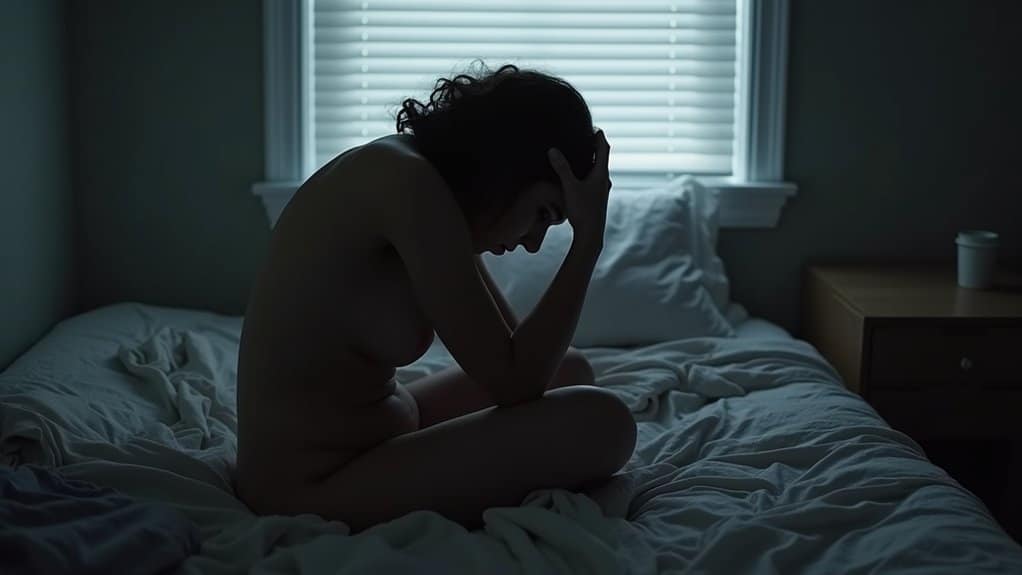
Morning depression often feels different from depression later in the day. Although depression can strike at any point during the day, many people notice their symptoms hit hardest in the first hours after waking. This pattern is often called diurnal mood variation, meaning sadness, hopelessness, dread, heavy limbs, and brain fog can feel most intense before the day has fully begun. Some people also notice physical symptoms such as headaches, appetite loss, and muscle aches that gradually improve as the day goes on.
Circadian Rhythms
The body’s circadian rhythms, or internal clock, help regulate sleep-wake cycles. When this rhythm is disrupted, as is the case with those suffering from depression, it can be challenging to wake up. As a result, depressive symptoms feel worse. Furthermore, people with depression often have poor-quality sleep. This lack of rest can contribute to increased fatigue in the morning, which can intensify their depressive symptoms.
Circadian rhythm disruption can magnify morning lows. Because your circadian clock governs when hormones are released, when body temperature changes, and when alertness rises or falls, even a small misalignment between your internal clock and your actual sleep schedule can make mornings feel much heavier. People with a late chronotype may be especially vulnerable when work, school, or other obligations force them awake before their body is biologically ready.
Cortisol Levels
Cortisol is a hormone that is associated with stress. People with depression often have excessive cortisol secretion. Since this hormone is usually at its peak within the body in the morning, it can make some depression symptoms worse in the early hours of the day.
The cortisol awakening response may intensify early distress. Within minutes of opening your eyes, your body launches a hormonal event called the cortisol awakening response, a sharp rise in cortisol that helps prepare you for the demands of the day. When depression disrupts the body’s stress-response system, that morning spike can feel less energizing and more overwhelming, leading to emotional shutdown, dread, or a sense of being unable to get moving.
Interleukin-6
Some people with depression have high levels of the chemical interleukin-6 (IL-6), which can cause inflammation in the brain and contribute to depressive symptoms. Similarly to cortisol, IL-6 levels may peak in the morning.
Inflammation may also contribute to morning worsening. Along with cortisol and circadian disruption, inflammatory activity can help explain why mornings feel so difficult. Elevated inflammatory markers may intensify fatigue, body aches, low mood, and mental fog during the early part of the day, especially in people who also struggle with poor sleep.
Neurotransmitter Levels
Low serotonin, dopamine, and norepinephrine can leave the brain feeling depleted after waking. These chemical messengers help regulate mood, energy, motivation, and alertness. When their levels are low in the morning, depressive symptoms can feel more intense. Low serotonin may deepen sadness and sleep disruption, low dopamine can reduce motivation and pleasure, and low norepinephrine may make it harder to feel alert and energized.
Poor Sleep Quality
Poor sleep can make morning depression worse. Depression and insomnia often reinforce each other. Early morning awakenings, fragmented sleep, hypersomnia, and reduced sleep quality can leave you feeling emotionally raw and physically exhausted when the alarm goes off. In many cases, poor sleep does not just result from depression; it can actively worsen the next morning’s symptoms.
How Your Circadian Rhythm Drives Morning Lows
Because your circadian clock governs when hormones release, when body temperature shifts, and when alertness rises or falls, even small misalignments between this internal timer and your actual sleep schedule can intensify morning depression. If your circadian phase is delayed relative to your sleep schedule, you may be waking during a naturally low-energy window, which can produce that leaden, groggy heaviness many people describe.
Your chronotype matters too. People with night-owl tendencies may have a harder time with fixed early schedules, especially when work or school forces them to get up before their brains and bodies are fully ready. That mismatch can compound existing depression symptoms and make mornings feel uniquely difficult.
How Poor Sleep Makes Morning Depression Worse
If you’re dealing with insomnia, frequent awakenings, or unrefreshing sleep, your risk of more severe morning symptoms may increase. Sleep disruption can interfere with emotional processing, worsen brain fog, drain energy, and make it harder to cope with stress first thing in the morning.
- Insomnia fuels morning lows: Persistent sleep loss can disrupt the brain’s ability to regulate mood overnight.
- Early awakenings worsen mood: Waking too early can leave you depleted before the day begins.
- Sleep quality affects energy: Even a full night in bed may not feel restorative if sleep is fragmented or shallow.
Medical Conditions That Can Fuel Morning Depression
Several medical conditions can coexist with depression and make it feel worse in the morning. Chronic pain conditions, inflammatory problems, thyroid issues, and sleep disorders can all add to low mood, fatigue, and cognitive fog after waking. If depression feels especially severe in the morning, it may be worth exploring whether another health condition is making symptoms worse.
| Condition | Possible Morning Impact |
|---|---|
| Fibromyalgia | Heightened pain, fatigue, and cognitive fog |
| Sleep Disorders | Poor rest, early awakenings, and worsened low mood |
| Inflammatory Conditions | Increased fatigue, aches, and depressive symptom intensity |
| Thyroid Dysfunction | Low energy, slowed thinking, and mood changes |
The Causes of Depression
There are many reasons depression may arise in an individual, and typically, there isn’t just one cause. Depression is frequently a mixture of biological, social, and genetic factors.
Neurotransmitters
Serotonin and dopamine are neurotransmitters that help regulate a person’s mood. If these neurotransmitters become unbalanced, it can lead to mood disorders, such as depression.
Genetic Factors
Family history can sometimes contribute to depression. Certain genes may lead to an increased risk of developing depression. Individuals may inherit certain genetic variations from their parents, such as the chromosome 3p25-26. Some studies show that around 40% of people suffering from depression have this genetic link.
Environmental Factors
While 40% of depression cases can be traced to a genetic link, the other 60% may be caused by environmental factors.
- Childhood Adversity: Childhood abuse and neglect can have a significant impact on people’s mental health. Severe abuse and neglect often lead to depression or other mental health disorders.
- Difficulties in Life: Negative life events, such as extreme poverty, divorce, chronic illnesses, or the loss of a loved one, can trigger depressive symptoms. While some cases may be situational sadness, other cases may become clinical depression.
Psychological Factors
Some people may suffer from extreme pessimism and low self-esteem, increasing their likelihood of developing depression. They may also dwell on negative thoughts and actions. In addition, they may have less of a resilience to challenging events in life, making them more prone to despair.
Social Factors
Lonely people or those who are socially isolated may start to develop depressive symptoms. Others may be in long-term abusive relationships that will eventually impact their mental health.
Substance Abuse
Alcohol and other substance use disorders are linked to depression. Some people self-medicate with alcohol or drugs, while others develop depressive symptoms as a result of years of substance use.
Signs Your Morning Depression Needs a Doctor
Morning depression that persists day after day may signal something more serious than a temporary rough patch. When symptoms repeatedly interfere with getting out of bed, showing up to work or school, taking care of responsibilities, or maintaining relationships, professional support may be needed.
When morning sadness persists and impairs daily functioning, it may be time to seek a clinical evaluation.
- Persistent inability to get out of bed or complete basic daily tasks
- Severe sleep disruption, including waking too early or oversleeping despite exhaustion
- Physical symptoms such as unexplained pain, appetite changes, or slowed movement
- Social withdrawal, irritability, or worsening relationship strain
- Suicidal thoughts, self-harm urges, worthlessness, or profound hopelessness
Is Depression Treatable?
Fortunately, if you are suffering from depression, many treatment approaches can help ease your symptoms. Your treatment plan will depend on how severe your depression is, the type of treatment you prefer, and if you have other co-existing mental health disorders.
Psychotherapy or Talk Therapy
There are quite a few types of psychotherapy available for those suffering from depression.
- Cognitive-Behavioral Therapy: Therapists using CBT try to change negative thought patterns and behaviors to help improve their clients’ outlook and behavioral patterns. During CBT, a therapist will work with you to develop better insight into how past trauma may be causing you to engage in negative behaviors. You will also learn coping mechanisms to deal with feelings of sadness.
- Interpersonal Therapy (IPT): While CBT focuses on the individual, IPT focuses on relationships and improving communication skills. IPT was originally developed to help treat major depressive disorder (MDD).
- Psychodynamic Therapy: Psychodynamic therapy focuses on the unresolved conflicts related to the causes of depression. By analyzing and exploring past traumas and their connection to people’s current mindsets, therapists can help people understand their present actions.
Electroconvulsive Therapy
Electroconvulsive therapy (ECT) involves the use of electrical currents. Electrical currents are applied to the brain to induce seizures. ECT is typically performed in cases of severe depression where the individual is experiencing hallucinations, refuses to eat, or has thoughts of suicide. The procedure is performed under general anesthesia.
Transcranial Magnetic Stimulation
Transcranial magnetic stimulation (TMS) stimulates nerve cells in the brain. The procedure does not involve surgery and is only used when other treatment methods have been unsuccessful. During a TMS session, electromagnetic coils are placed next to an individual’s head. These coils then deliver magnetic pulses that stimulate areas of the brain that are experiencing decreased activity due to depression.
Group Therapy
People who are uncomfortable in individual therapy sessions may feel more comfortable joining support groups or group therapy. Group therapy creates a sense of community by allowing members to share similar experiences. This kind of peer support and sharing can help alleviate depressive symptoms. You will also learn coping skills that have been helpful to others.
Lifestyle Changes
Alongside therapy, individuals with depression are encouraged to follow a healthy diet, engage in regular exercise, and improve their sleep patterns. These lifestyle changes can help balance their daily mood swings.
Mind-Body Techniques
Meditation and yoga can help manage stress, anxiety, and depressive symptoms. While these activities alone can’t treat depression, they can significantly alleviate the symptoms of depression when combined with therapy.
Self-Help Strategies
Individuals suffering from depression are often encouraged to read self-help books and to keep a journal. Journaling can help them track their progress and express their emotions. These therapeutic strategies can help individuals take charge of their recovery.
A Morning Routine That Eases Depression Symptoms
Because depression can drain motivation before you even leave bed, a simple and structured morning routine may help reduce the intensity of symptoms. Start small and focus on consistency rather than perfection.
- Drink a full glass of water after waking
- Avoid repeatedly hitting the snooze button
- Try 5 to 10 minutes of gentle movement such as stretching, yoga, or light walking
- Eat a balanced breakfast with protein and complex carbohydrates
- Use simple environmental cues, such as setting out water or breakfast items the night before
- Add one new routine step at a time to avoid overwhelm
Does Medication Help Alleviate the Symptoms of Depression?
Besides the above treatment methods, medication can also help alleviate the symptoms of depression. Antidepressant medications, such as Paxil or Zoloft, help balance the neurotransmitters that help regulate mood.
Antidepressants can also help smooth out the intense lows that people feel while struggling with depression. These lows include sadness, feelings of hopelessness, shame, and thoughts of suicide. By improving people’s moods, antidepressants can also help them resume activities they once loved.
Furthermore, antidepressants are crucial in preventing reoccurring depressive episodes. By keeping people on an even keel, they can then start to make progress with their therapy or other forms of treatment.
Although some people take antidepressants as the sole cure for their depression, a combination of antidepressants and therapy is recommended. While antidepressants can improve mood, they don’t tackle the root cause of the depression.
Some types of antidepressants include:
- Selective Serotonin Reuptake Inhibitors (SSRIs), such as Prozac and Zoloft
- Serotonin-Norepinephrine Reuptake Inhibitors (SNRIs), such as Cymbalta and Fetzima
- Tricyclic Antidepressants (TCAs), such as Norpramin
The National Depression Hotline
If you are suffering from depression, contact the National Depression Hotline today. We can connect you with resources and specialists in your area for treatment options. Our depression hotline is free and available 24/7 at (866) 629-4564.
Frequently Asked Questions
Can morning depression occur without having a major depressive disorder diagnosis?
Yes, morning depression can occur without meeting the criteria for major depressive disorder. Sleep disorders, thyroid dysfunction, chronic pain, inflammation, circadian rhythm disruption, trauma history, anxiety, and alcohol or substance use can all contribute to a pattern of waking up feeling emotionally worse.
Does morning depression affect children and teenagers differently than adults?
Yes, children and teenagers may show morning depression differently than adults. In younger people, symptoms may include irritability, fatigue, appetite changes, sleep disruption, or loss of interest rather than only obvious sadness.
Are certain antidepressant medications more effective for morning-specific depressive symptoms?
There is no single medication that works best for every person with morning-worsening symptoms. Treatment may need to address circadian disruption, sleep issues, inflammation, and overall depression severity, which is why a tailored treatment plan is often most effective.
Can evening exercise reduce the severity of next-day morning depression?
For some people, evening exercise may help reduce next-day morning symptoms by improving sleep, lowering stress, and supporting healthy neurotransmitter activity. Even lower-intensity movement such as stretching can be beneficial.
Is morning depression linked to seasonal affective disorder during winter months?
Yes, morning depression can feel worse during winter for people affected by seasonal affective disorder. Reduced sunlight can disrupt circadian rhythms, lower serotonin activity, and increase fatigue, all of which may intensify morning symptoms.
The National Depression Hotline
If you are suffering from depression, contact the National Depression Hotline today. We can connect you with resources and specialists in your area for treatment options. Our depression hotline is free and available 24/7 at (866) 629-4564.