Current research doesn’t support a direct link between melatonin supplements and increased depression risk. While your body’s natural melatonin production plays an essential role in mood regulation and sleep cycles, taking melatonin supplements at recommended doses (2-25mg) is generally considered safe. You may experience temporary mood changes or drowsiness, but there’s no evidence that supplementation causes clinical depression. The relationship between sleep, melatonin, and mental health involves complex mechanisms worth understanding more deeply. Understanding depression and anxiety requires a multifaceted approach that considers genetics, lifestyle, and environmental factors. Ongoing research into how melatonin interacts with mood-related neurotransmitters may expand treatment options and improve mental health care.
The Science Behind Melatonin and Mood

While many know melatonin primarily as a sleep hormone, its complex relationship with mood stems from intricate neurobiological pathways in the brain. Your pineal gland synthesizes melatonin from serotonin, a neurotransmitter essential for mood regulation. This connection has led researchers to examine correlation vs causation in melatonin studies investigating depression risk. Sleep issues can significantly impact mental health, as adequate sleep levels are critical for emotional stability. Many people rely on indoleamine supplements to help regulate their sleep-wake cycles.
Recent population risk factors reveal that individuals with disrupted circadian rhythms often experience both altered melatonin production and mood disturbances. Your brain’s suprachiasmatic nucleus controls this delicate balance, coordinating melatonin release with environmental light cues. When this system falters, it can affect both sleep patterns and emotional well-being through multiple mechanisms, including MT1 and MT2 receptor signaling, immune system modulation, and antioxidant activity in your central nervous system. During the night, darkness triggers production of melatonin, which helps regulate not only sleep but also influences emotional stability.
What Current Research Reveals
Although extensive research has examined melatonin’s relationship with depression, current evidence does not support it as a direct cause of clinical depression in most people. Studies show that while melatonin supplementation may occasionally trigger temporary mood changes like irritability, these symptoms typically don’t meet the criteria for major depressive disorder. Recent findings demonstrate that MDD with NSSI shows significantly lower melatonin levels compared to patients without self-injury behaviors. A 2016 review concluded that no serious effects occurred from regular melatonin usage.
You’ll find that the relationship between melatonin and mood is complex. Research indicates that disrupted melatonin rhythms, rather than supplementation itself, correlate with depressive symptoms. These disruptions include heightened daytime melatonin levels and decreased morning production, particularly in patients with major depressive disorder. The suprachiasmatic nucleus plays a vital role in coordinating these daily physiological functions and behaviors through melatonin release. While melatonin influences brain regions involved in emotional regulation and interacts with stress pathways through the HPA axis, its direct role in mood disorders remains unclear. Clinical studies on melatonin’s therapeutic benefits for depression have yielded inconsistent results.
Understanding Depression and Sleep Cycles

The relationship between sleep cycles and depression reveals a complex bidirectional pattern supported by extensive research data. You’ll find that both insufficient sleep (less than 7 hours) and excessive sleep (more than 7 hours) increase your depression risk, forming a U-shaped risk curve. Sleep deprivation of 6 hours or less per night can raise your risk of major depression by 3- to 5-fold. Research shows that ten hours sleep increases depression risk by nearly 60 percent. Ethnic minority groups were deliberately oversampled in recent sleep-depression studies to ensure comprehensive population representation. Women experience a particularly high burden, with female depression rates reaching 12.3% compared to 6.7% in men.
Your sleep architecture plays a vital role, with disturbed REM sleep and altered sleep timing strongly correlating with depressive symptoms. If you’re middle-aged or older, you’re particularly vulnerable to this sleep-depression connection. The interaction between sleep and mood regulation shares neurobiological pathways, making it essential to maintain consistent 7-hour sleep patterns to protect your mental health.
Safety Considerations for Melatonin Use
Despite melatonin’s widespread use as a sleep aid, understanding its safety profile requires careful consideration of dosage, duration, and individual risk factors. Research from studies involving adolescents shows that circadian disturbances can increase mental health risks.
Research shows melatonin is likely safe for short-term use at recommended doses, with most side effects being mild and temporary. You’ll typically find dosages ranging from 2-25 mg daily, though it’s best to start low and adjust as needed. While rare side effects may include confusion or short-term depressive symptoms, there’s no evidence that melatonin causes clinical depression in those without prior history. A comprehensive review of 19 clinical studies involving 1,178 patients demonstrated that melatonin supplementation had no significant benefit for alleviating depressive symptoms.
You should exercise caution if you’re taking certain medications, as melatonin can interact with anticoagulants, immunosuppressants, and diabetes medications. It’s particularly important to consult your healthcare provider if you have epilepsy, bleeding disorders, or are pregnant or breastfeeding.
Making Informed Decisions About Supplementation
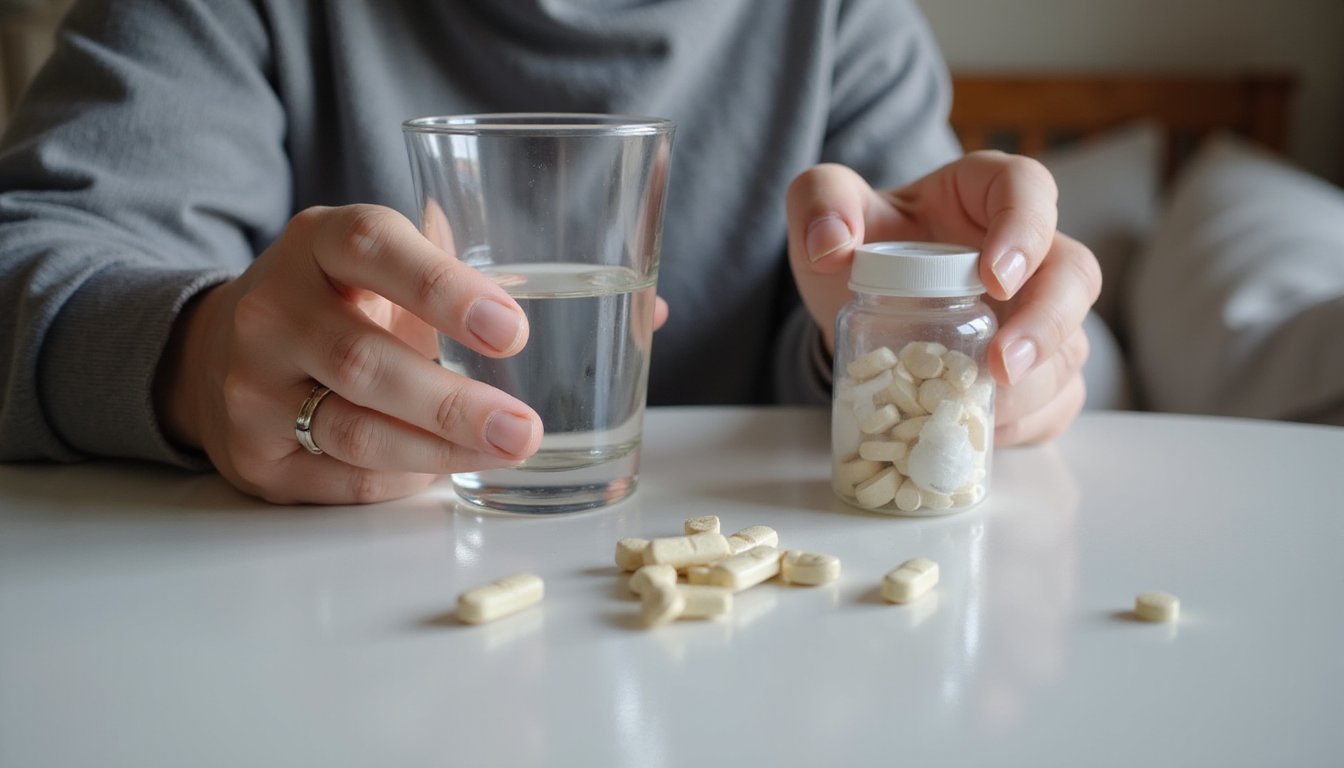
When considering melatonin supplementation, you’ll need to weigh multiple factors beyond just its sleep-promoting properties. While melatonin can effectively address circadian rhythm disorders, it’s not proven as a depression treatment or preventive measure.
If you’re dealing with mood disorders, consult your healthcare provider before starting melatonin. They’ll help evaluate whether supplementation aligns with your specific needs and medical history. You should be aware that while severe adverse effects are rare, you might experience mild side effects like drowsiness or temporary mood changes. Unlike traditional sleep medications, melatonin has low dependency risk when used properly.
Current evidence doesn’t support long-term melatonin use for depression management. Instead, focus on using it specifically for sleep-related issues, and maintain realistic expectations about its benefits. Remember that melatonin’s effects can vary considerably between individuals, and what works for others may not work for you. Furthermore, research on the impact of melatonin on depression is still evolving. While some studies link sleep disturbances to depressive symptoms, definitive evidence of melatonin’s effectiveness is lacking. Consulting a healthcare professional ensures guidance tailored to individual needs.
Frequently Asked Questions
Can Combining Melatonin With Antidepressants Increase the Risk of Serotonin Syndrome?
Yes, combining melatonin with antidepressants can increase your risk of serotonin syndrome, particularly when taking SSRIs. This risk stems from melatonin’s relationship with serotonin pathways and the potential presence of hidden serotonin in some supplements. While severe cases are rare with this combination alone, you’ll face higher risks if you’re taking multiple serotonergic medications. You should always consult your healthcare provider before combining melatonin with any antidepressant.
Does Long-Term Melatonin Use Affect Natural Hormone Production in the Body?
Research shows that long-term melatonin supplementation doesn’t permanently suppress your body’s natural hormone production. While you’re taking higher doses than your body naturally produces, clinical studies haven’t found evidence of lasting endocrine disruption after discontinuation. Your pineal gland maintains its ability to produce melatonin, and your circadian rhythms typically return to normal patterns. Minor, temporary effects on other hormones may occur but aren’t usually clinically significant.
How Does Melatonin Interact With Hormonal Birth Control Medications?
When you take melatonin with hormonal birth control, you may experience enhanced sedative effects since birth control can increase your body’s natural melatonin levels. You’re likely to notice stronger drowsiness and possibly more side effects like dizziness or headaches. While these medications don’t reduce each other’s effectiveness, it’s important to consult your healthcare provider before combining them. There’s limited research on long-term combined use, so short-term melatonin supplementation is preferred.
Can Melatonin Supplements Make Seasonal Affective Disorder (SAD) Symptoms Worse?
Yes, melatonin supplements can potentially worsen your SAD symptoms. Research shows that heightened melatonin levels are already common in SAD patients, especially during winter months. When you take additional melatonin, you might experience increased lethargy and depressive symptoms. It can also counteract the benefits of light therapy, which is a proven SAD treatment. If you’re considering melatonin while dealing with SAD, you’ll need careful medical supervision.
Does the Timing of Melatonin Intake Affect Its Relationship With Depression?
Yes, the timing of your melatonin intake greatly affects its relationship with depression. You’ll get the best results by taking melatonin in the evening, aligning with your natural circadian rhythm. Taking it at misaligned times can disrupt your body’s clock genes and neurotransmitter systems, potentially worsening depressive symptoms. Research shows that evening administration supports both sleep and mood regulation, while poorly timed intake may interfere with your circadian synchronization.