Current clinical evidence shows melatonin’s therapeutic potential for depression extends beyond its sleep-regulating effects. You’ll find significant symptom reduction with doses between 3-10mg daily, particularly in patients with disrupted circadian rhythms. Meta-analyses demonstrate modest overall benefits (SMD = −0.17), though specific subgroups show stronger responses. The hormone works by modulating monoaminergic systems and HPA axis function. Understanding melatonin’s complex neurobiological mechanisms reveals promising treatment pathways for resistant cases. Further research on the melatonin and depression correlation is needed to understand its role in mood regulation and treatment timing. Combining melatonin with antidepressants may offer more personalized care, especially for those with sleep disturbances.
Understanding Melatonin’s Role in Mental Health

Melatonin’s influence on mental health extends far beyond its well-known role in sleep regulation, operating through complex neuroendocrine pathways that directly impact mood and cognitive function. You’ll find that melatonin production interacts extensively with monoaminergic systems, particularly norepinephrine and serotonin, which are essential for mood regulation. In individuals with major depression, nighttime melatonin secretion often shows marked alterations, with levels typically heightened compared to healthy controls. The hormone agomelatine, a melatonin receptor agonist, has demonstrated significant efficacy in treating depression and is now approved for this use in Europe. Clinical studies indicate that treatment-resistant patients may particularly benefit from melatonin supplementation when traditional antidepressants prove ineffective.
This hormone’s effects are mediated through MT1 and MT2 receptors in the suprachiasmatic nucleus, synchronizing your body’s internal clock with environmental cues. When this synchronization becomes disrupted, it can contribute to the development or exacerbation of depressive symptoms. Research indicates that melatonin’s immunomodulatory and antioxidant properties may also play significant roles in protecting against depression-related neuroinflammation. The pineal gland initiates melatonin synthesis through a process that begins with the conversion of tryptophan to l-5-hydroxytryptophan, ultimately leading to increased melatonin levels during darkness.
Clinical Evidence: Depression Symptom Reduction
While clinical trials investigating melatonin’s antidepressant effects have yielded mixed results, meta-analyses of 19 studies encompassing 1,178 patients reveal no significant overall benefit compared to placebo (SMD = −0.17, 95% CI = [−0.38, 0.05]). However, subgroup analyses using the Beck Depression Inventory showed promising outcomes, particularly with 10 mg daily melatonin supplementation over 12 weeks. The patient population included 715 female participants who were evaluated across multiple treatment centers. Consistent with other validated assessment tools like the Insomnia Severity Index, depression symptoms were carefully monitored throughout the trials. Studies indicate that treating sleep disturbances may be particularly beneficial, as sleep disruptions persist across all stages of depression from prodromal to remission phases.
Key findings from clinical research indicate:
- Significant depressive symptom reduction observed with 3 mg nightly melatonin versus placebo (F=6.2, p=0.017)
- Greatest therapeutic benefits noted in patients with comorbid sleep disturbances and obesity
- Melatoninergic antidepressant agomelatine demonstrated ~77% reduction in depressive symptoms
- Enhanced outcomes specifically observed in patients with circadian rhythm disorders and post-operative depression risk
These results suggest melatonin’s potential efficacy may be most pronounced in specific patient subgroups rather than general populations.
Sleep Quality and Mood Regulation
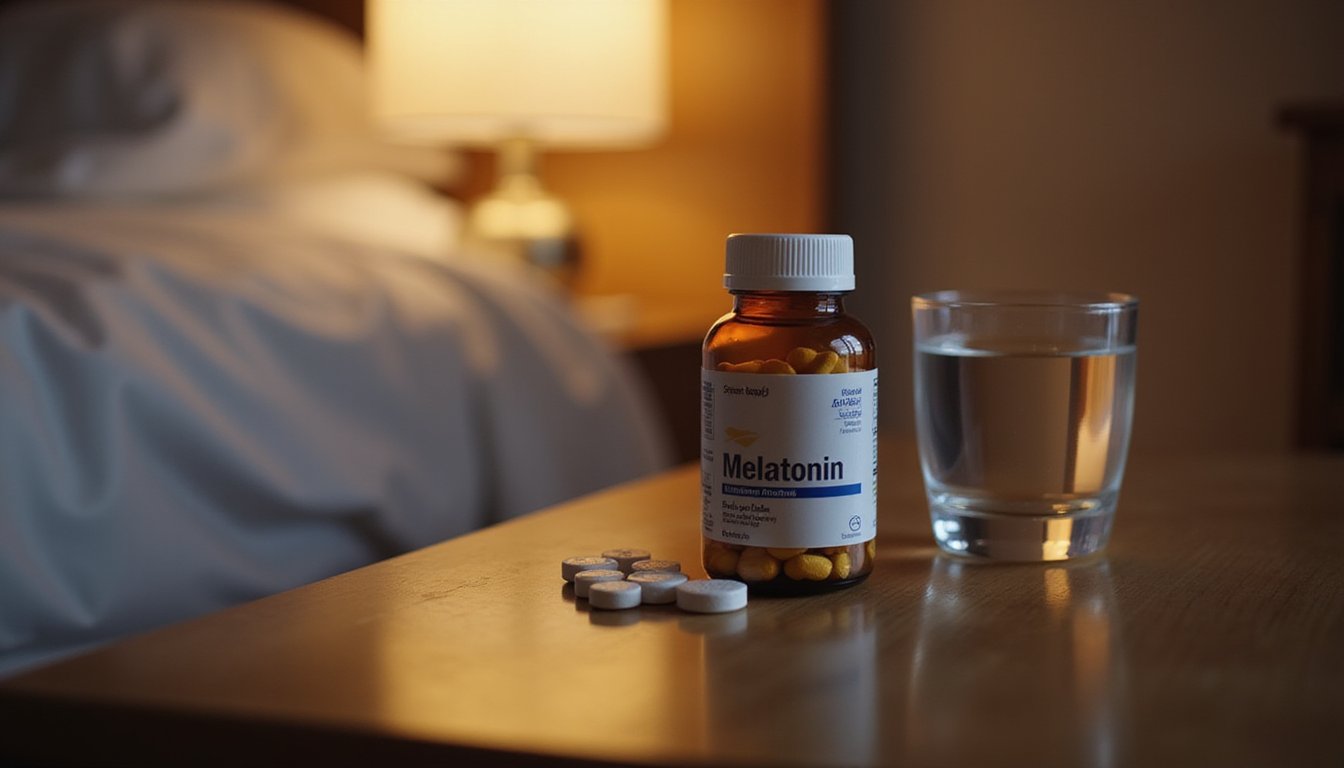
When examining the intricate relationship between sleep architecture and mood regulation, robust evidence demonstrates that exogenous melatonin considerably improves sleep continuity and quality through multiple neurobiological mechanisms. Light exposure during daytime hours helps maintain proper circadian entrainment through the SCN pathway.
You’ll find that melatonin’s impact on sleep quality directly influences mood disorders through several pathways. It increases sleep bout duration, reduces sleep latency, and restores total sleep time, particularly during the rest phase. The hormone’s chronobiotic properties help synchronize circadian rhythms via MT1 and MT2 receptors in the suprachiasmatic nucleus, stabilizing the melatonin rhythm. Research shows that improved sleep architecture correlates with enhanced mood stability and reduced depressive symptoms. This occurs through melatonin’s modulation of key brain regions, including the default mode network, and its regulation of circadian proteins. As a safer treatment alternative, melatonin avoids the significant adverse effects associated with traditional sleep medications like benzodiazepines and Z-drugs. Additionally, melatonin enhances glymphatic system function during sleep, supporting neurotoxin clearance. EEG/EMG studies reveal that melatonin treatment effectively normalizes NREM sleep duration in subjects experiencing depression-like symptoms.
Biological Mechanisms Behind Mood Effects
Through melatonin’s binding to MT1 and MT2 G protein-coupled receptors, you’ll observe cascading effects on adenylate cyclase and cAMP signaling pathways that modulate neurotransmitter systems critical for mood regulation. Your circadian rhythm synchronization depends on melatonin’s interaction with the suprachiasmatic nucleus, where phase shifts in secretion patterns directly correlate with depression severity and symptom manifestation. You’ll find that melatonin’s ability to modulate glucocorticoid release and hypothalamic-pituitary-adrenal axis function provides a mechanistic link between stress response and mood disorders, supported by clinical observations of altered cortisol profiles in depressed patients. The synthesis of melatonin begins with the conversion of tryptophan to serotonin, which undergoes further enzymatic modifications to produce the final neurohormone. Recent studies demonstrate that patients receiving agomelatine treatment experienced significant DLMO shifts that strongly correlated with improvements in depressive symptoms.
Receptor Signaling Pathways
Understanding melatonin’s effects on mood requires examination of its complex receptor-mediated signaling pathways. When melatonin binds to MT1 and MT2 receptors, it initiates multiple downstream cascades that influence mood regulation through distinct molecular mechanisms. These G-protein-coupled receptors trigger intracellular events that modify neuronal activity and gene expression. Research shows that melatonin exhibits powerful antioxidative and anti-inflammatory properties through these receptor-dependent pathways. The neurohormone effectively crosses blood-brain barrier to directly impact neural tissue.
Key signaling pathways include:
- Inhibition of adenylate cyclase and reduction of cAMP levels
- Activation of ERK/MAPK pathway affecting neuroplasticity
- Modulation of PI3K/Akt/GSK3β signaling for cell survival
- Integration with monoaminergic systems via serotonin pathways
You’ll find these pathways particularly significant as they connect melatonin receptor signaling to neuroinflammation reduction and monoaminergic system regulation. The interaction between these molecular mechanisms helps explain melatonin’s potential antidepressant effects through enhanced neuroplasticity and reduced oxidative stress.
Circadian Rhythm Regulation
The intricate relationship between melatonin and mood regulation fundamentally operates through circadian rhythm mechanisms within the suprachiasmatic nucleus (SCN). You’ll find that melatonin’s influence extends beyond simple sleep promotion, as it actively entrains both central and peripheral biological clocks through regulation of core clock proteins including Per2, Cry2, and Bmal1. Night shift workers face significantly higher risks of developing mood disorders and depression. The balance between Process C and S determines the timing and quality of sleep throughout the 24-hour cycle.
When your circadian rhythm becomes disrupted, you’re more vulnerable to mood disorders. This disruption can manifest through altered sleep architecture, including changes in REM latency and reduced slow-wave sleep. Your SCN, acting as the master circadian pacemaker, orchestrates complex interactions between melatonin secretion, cortisol release, and core body temperature. When these rhythms become uncoupled, you’ll experience disruptions in both sleep quality and mood stability, highlighting the critical role of maintaining proper circadian synchronization. Studies have shown that combining melatonin administration with bright light exposure can effectively help realign disrupted circadian rhythms.
Stress Hormone Modulation
While melatonin is primarily known for regulating sleep-wake cycles, its profound effects on stress hormone modulation reveal crucial mechanisms underlying its mood-regulating properties. Research demonstrates that melatonin’s influence on your neuroendocrine system directly impacts cortisol levels and mood stability through multiple pathways.
- Inhibits corticotropin-releasing hormone secretion from your hypothalamus, reducing HPA axis activity and cortisol production
- Decreases adrenocorticotropic hormone release from the pituitary gland, further lowering stress hormone levels
- Supports homeostatic balance by preventing excessive cortisol secretion during chronic stress
- Modulates monoaminergic neurotransmitter systems, including dopamine, noradrenaline, and serotonin pathways
This stress hormone modulation helps protect your nervous system from oxidative damage while maintaining neuroimmune balance, potentially explaining melatonin’s therapeutic effects on mood disorders and depression.
Comparing Melatonin to Standard Treatments
Research comparing melatonin-based interventions with standard antidepressant treatments reveals a complex therapeutic landscape. While melatoninergic antidepressants like agomelatine demonstrate efficacy comparable to standard antidepressants in reducing depression scores (77% from baseline), pure melatonin supplementation shows limited effectiveness when used alone. However, combination therapy presents promising results, particularly when melatonin is paired with SSRIs like fluoxetine.
| Treatment Approach | Efficacy Evidence | Key Advantages |
|---|---|---|
| Melatonin Alone | Limited (-0.17 SMD) | Circadian regulation |
| Standard SSRIs | Well-established | Mood improvement |
| Agomelatine | Equivalent to SSRIs | Sleep-wake benefits |
| High-dose Melatonin | Stronger (-1.23 SMD) | Chronobiological effects |
| Combination Therapy | Synergistic effects | Enhanced BDNF signaling |
You’ll find the strongest therapeutic benefits when targeting specific populations, particularly those with concurrent sleep disorders or circadian rhythm disruptions.
Dosage Guidelines and Safety Profile

When considering melatonin supplementation for depression, you’ll find the ideal therapeutic dosage typically ranges from 1-10 mg per day, with clinical studies showing greatest efficacy at 10 mg daily for a 12-week duration. While interindividual responses vary considerably, it’s recommended to start at a lower dose of 1-3 mg and titrate upward based on your clinical response. Research demonstrates melatonin’s favorable safety profile with minimal adverse effects such as drowsiness and headache, though you should consult a healthcare provider before initiating treatment, particularly if you have pre-existing mental health conditions.
Optimal Dosing Ranges
Three key dosage ranges have emerged from clinical trials investigating melatonin’s antidepressant effects. Research indicates that 10mg daily for 12 weeks demonstrates the most notable reduction in depression scores, while lower doses between 2-6mg show minimal impact on depressive symptoms. When considering ideal dosing ranges for this mental health disorder, you’ll want to note these evidence-based findings:
- Start with 1-3mg daily, particularly with slow-release formulations
- Maximum therapeutic dose typically caps at 10mg daily
- Evening administration, 1-2 hours before bedtime, maximizes efficacy
- Individual response varies considerably due to metabolism differences
Clinical evidence suggests shorter treatment durations aren’t as effective, and you’ll need at least 12 weeks at higher doses to potentially see antidepressant benefits from melatonin supplementation. Always consult healthcare providers for personalized dosing recommendations.
Safety and Side Effects
Although melatonin demonstrates a favorable safety profile in adults, understanding its potential risks and contraindications remains essential for safe supplementation. You’ll typically experience mild side effects, with drowsiness, headache, and dizziness being most common. If you’re taking medications or have underlying mood disorders, you’ll need medical consultation due to potential interactions and symptom exacerbation.
| Population | Risk Level | Key Considerations |
|---|---|---|
| Healthy Adults | Low | Monitor for mild side effects |
| Pregnant/Nursing | High | Avoid use, insufficient data |
| Mood Disorder Patients | Moderate | Watch for symptom worsening |
| Liver/Kidney Issues | High | Reduced clearance risk |
| Autoimmune Conditions | Moderate | Immune activation possible |
While melatonin’s safety profile is generally good for short-term use, you’ll need careful consideration if you fall into any high-risk categories, particularly if you have preexisting depression or take medications that might interact.
Key Research Findings and Effect Sizes
Recent meta-analyses examining melatonin’s antidepressant effects reveal complex and varied outcomes across different populations. The standardized mean difference shows no significant overall benefit compared to placebo (SMD = −0.17), though specific subgroups demonstrate more promising results. Using the Beck Depression Inventory, higher doses of melatonin (10 mg/day) over 12 weeks showed moderate effect sizes (SMD = −0.63) in reducing depression symptoms.
- Clinical trials with 3-6 mg nightly doses showed significant depression symptom reduction in obese women (p = 0.017)
- Agomelatine, a melatonin analog, demonstrated superior antidepressant effects versus sertraline
- Post-breast cancer surgery patients experienced reduced depressive symptoms with 6 mg/day melatonin
- Stronger effects were observed in individuals with disrupted circadian rhythms or comorbid sleep disorders
Sleep-Depression Connection: The Latest Data
While researchers have long suspected a link between sleep and depression, emerging data reveals a complex bidirectional relationship mediated through multiple physiological and psychological pathways.
Your sleep quality greatly influences your risk of developing depressive symptoms, with poor sleep increasing odds nearly fivefold. Sleep duration also plays an important role – sleeping ≥9 hours correlates with diminished cognitive function, particularly in those with depression. Sleep architecture changes manifest distinctly in depressive disorders, showing increased light sleep and reduced slow-wave sleep phases.
You’ll find the relationship isn’t uniform across all cases. Sleep disorders act as potential risk factors for depression onset, while depression itself can disrupt sleep patterns. The evidence supports targeting sleep improvement as an essential component of depression management, especially given its role as a modifiable risk factor. Understanding depression and anxiety is key to creating effective treatment strategies. Addressing sleep issues and building better sleep hygiene can reduce symptoms while empowering individuals in their mental health journey.
Patient Groups Most Likely to Benefit
Research examining melatonin’s therapeutic effects has identified specific patient populations who demonstrate enhanced responsiveness to treatment. Clinical data suggests that melatonin’s antidepressant and chronobiological properties offer particular benefits for distinct groups experiencing both depression and disrupted circadian rhythms.
- Patients with co-morbid sleep disturbance and obesity show statistically significant reductions in depression symptoms with 3mg nightly melatonin (p=0.017)
- Post-cardiac event patients benefit from prophylactic melatonin administration, addressing the 2.5-fold increased risk of depression following acute coronary syndrome
- Cancer surgery patients, particularly those with breast cancer, experience reduced depressive symptoms with 6mg melatonin during recovery
- Hemodialysis patients demonstrate improvements in cognitive function and depression scores, though results compared to placebo weren’t statistically significant
Current Research Challenges and Gaps
Current research into melatonin’s role in depression faces significant methodological constraints, including heterogeneous study designs and insufficient sample sizes that limit statistical power. You’ll find that most clinical trials lack standardized protocols for dosing, treatment duration, and outcome measures, making it challenging to draw definitive conclusions about efficacy. The field requires larger-scale studies with diverse patient populations to better understand melatonin’s therapeutic potential across different demographic groups and depression subtypes.
Study Design Limitations
Despite considerable advances in melatonin-depression research, substantial methodological limitations hamper definitive conclusions about their relationship. Study design limitations and participant heterogeneity create challenges in establishing causal links between melatonin and depressive symptoms. The predominance of cross-sectional and short-term intervention designs, coupled with methodological and reporting gaps, undermines the reliability of current findings.
- Most trials lack adequate long-term follow-up to assess treatment durability and safety
- Cross-sectional designs can’t determine if melatonin disruption causes depression or vice versa
- Limited randomized controlled trials with proper blinding and placebo controls
- Insufficient control for psychiatric comorbidities and baseline circadian disruptions
You’ll find these constraints particularly problematic when evaluating melatonin’s therapeutic potential, as they considerably impact the quality and generalizability of research outcomes.
Population Diversity Needs
Three critical population diversity gaps challenge the validity and generalizability of melatonin-depression research. First, there’s a considerable underrepresentation of non-Western populations, with minimal population pharmacogenomic data across diverse ethnic groups. You’ll find most studies focus mainly on European and North American cohorts, overlooking potential genetic variations in melatonin pathway genes.
Second, ethnic and genetic diversity limitations persist throughout the literature, with insufficient analysis of MTNR1A/B polymorphisms that could affect treatment outcomes. Finally, researchers haven’t adequately addressed comorbidity and mixed diagnostic populations, often excluding patients with concurrent medical or psychiatric conditions. This oversight considerably reduces the real-world applicability of findings, particularly when considering how depression often co-occurs with other disorders like anxiety or bipolar disorder.
Frequently Asked Questions
Can Melatonin Interact With Antidepressant Medications I’m Currently Taking?
Yes, melatonin can interact with your antidepressants through shared serotonergic pathways. While research shows potential synergistic benefits, particularly with SSRIs like fluoxetine, you’ll need careful medical supervision. These interactions affect BDNF-TrkB signaling and monoaminergic systems in your brain. You might experience mild side effects like headaches or nausea. It’s essential that you consult your healthcare provider before combining melatonin with your current antidepressant regimen.
How Long Does It Take to See Mood Improvements When Starting Melatonin?
You’ll typically see significant mood improvements after 8-12 weeks of consistent melatonin use, with ideal results at 10mg daily. While some people experience early benefits within 2-4 weeks, especially when combining melatonin with light therapy and sleep-wake scheduling, the most stable mood effects emerge after 8 weeks. Your response may be stronger if you have a delayed baseline melatonin rhythm, as phase advances correlate with greater symptom reduction.
Should Melatonin Be Taken in the Morning or Night for Depression?
You should take melatonin at night, not in the morning, for depression. Clinical evidence supports nighttime administration before your habitual bedtime, as this aligns with your body’s natural circadian rhythms. Morning melatonin isn’t supported by research and may disrupt your daytime alertness. Studies showing antidepressant effects specifically use evening dosing protocols, typically 2-10mg taken 1-2 hours before sleep. This timing helps regulate sleep-wake cycles often disrupted in depression.
Does Stopping Melatonin Suddenly Cause Depression Symptoms to Worsen?
There’s no strong clinical evidence that suddenly stopping melatonin directly worsens depression symptoms. While melatonin influences your circadian rhythms and mood regulation, it hasn’t been shown to cause withdrawal syndromes like other medications. However, if you’ve been using melatonin to manage sleep disturbances, which affect up to 70% of depression patients, discontinuation might indirectly impact your mood through sleep disruption. Consult your healthcare provider before stopping any supplement regimen.
Can Children and Teenagers Safely Use Melatonin for Depression Symptoms?
While melatonin shows promise in reducing self-harm risk and improving sleep in youth with depression, it’s not broadly endorsed as a primary treatment for depression symptoms. You shouldn’t give melatonin to children or teens without consulting a healthcare provider, as there are concerns about long-term safety, particularly regarding puberty timing. If prescribed, it requires clinical oversight and regular follow-up. Most evidence supports its use for specific conditions like autism or ADHD.