Being alone is simply a physical state, you’re by yourself, whether by choice or circumstance. Loneliness, however, is an emotional experience that occurs when your desired connections exceed your perceived connections. You can feel profoundly lonely in a crowded room if interactions feel superficial or forced. Research shows that chronic loneliness triggers stress hormones and inflammatory responses, while chosen solitude actually activates brain networks that support self-reflection and emotional regulation. Understanding lonely vs alone and this distinction reveals how you can transform isolation into growth.
The Real Difference Between Being Alone and Feeling Lonely

When you’re physically alone, you’re experiencing an observable state, no one else occupies your space. Loneliness, however, functions as a subjective emotional experience that operates independently from your physical circumstances. You can feel profoundly disconnected in a crowded room or completely content during hours of solitude.
Understanding solitude vs loneliness matters for your mental health. Chosen solitude activates your brain’s default mode network, supporting self-reflection and emotional regulation. Chronic loneliness, conversely, disrupts sleep patterns, impairs immune function, and increases depression risk. Labeling your struggle with loneliness can help destigmatize the experience and open pathways toward developing deeper connections with yourself and others.
The critical distinction lies in perception and choice. When your desired connections exceed your perceived connections, loneliness emerges. Physical solitude without emotional distress simply means you’re alone, a neutral state that can promote growth and independence.
Why You Can Feel Lonely in a Room Full of People
The paradox of social loneliness becomes most apparent in crowded spaces. You’re surrounded by others, yet you feel completely invisible. University of Chicago research shows that perceived isolation occurs when your interactions feel forced or superficial, your brain registers disconnection despite physical proximity.
This emotional loneliness intensifies through what psychologist Stanley Milgram called stimulus overload. In busy environments, you’ll naturally tune out through earbuds, avoiding eye contact, or walking faster. These protective behaviors create emotional distance that deepens your sense of isolation.
Studies reveal that loneliness actually hits harder when you’re around others than when you’re alone. Without genuine social connection, the presence of people amplifies your awareness of what’s missing, meaningful understanding and authentic engagement with those around you. This chronic sense of disconnection can take a serious toll, as research has linked prolonged loneliness to higher risks of heart disease and shortened lifespans.
Why Being Alone Builds Strength While Loneliness Drains It

When you choose solitude, you’re activating neural pathways that restore your capacity for self-regulation and executive control. This voluntary disconnection allows your brain to recover from stress, engage in cognitively stimulating activities, and build psychological resilience over time. In contrast, chronic loneliness depletes your mental resources by elevating stress hormones, triggering inflammatory responses, and trapping you in a self-reinforcing cycle of hypervigilance and pessimism. Research shows that chronic loneliness can accelerate brain aging and increase the risk of dementia by 40%, demonstrating just how significantly this emotional state undermines cognitive health over time.
Solitude Fuels Personal Growth
Choosing solitude rather than having it imposed on you creates profoundly different neurological and emotional outcomes. When you voluntarily step away from social demands, your brain enters a deactivation state that reduces high-arousal emotions while elevating calmness. This isn’t isolation psychology at work, it’s intentional self-regulation.
Your fear of being alone often stems from conflating solitude with loneliness. Yet research shows chosen alone time allows suppressed feelings to surface without judgment, enabling genuine emotional processing. You’ll clarify your values, distinguish authentic desires from external expectations, and strengthen decision-making capacity through regular introspection.
Independent living skills emerge naturally from solitude practice. You learn to honor personal needs, set boundaries, and reconnect with your genuine identity rather than socially performed personas.
Loneliness Depletes Mental Energy
Although solitude strengthens your psychological reserves, loneliness actively depletes them through measurable biological mechanisms. Your body responds to chronic disconnection as it would to physical deprivation, triggering energy and fatigue reduction that compounds over time.
Research reveals how loneliness drains you:
- You experience lowered energy similar to food deprivation effects, even after short isolation periods
- Your cognitive resources deplete from constantly scanning for social threats
- You develop emotional exhaustion that impairs daily functioning
- Your sleep quality diminishes, preventing proper mental recovery
- You face chronic fatigue through maladaptive stress responses
This isn’t weakness, it’s your nervous system signaling unmet needs. Understanding these mechanisms helps you distinguish between restorative alone time and harmful isolation that requires intervention.
How to Know if Your Alone Time Is Helping or Hurting You
Spending time alone can either restore your energy or quietly erode your well-being, the difference isn’t always obvious until you look closely at the patterns.
When examining lonely vs alone experiences, notice how you feel during and after solitude. Healthy being alone reduces anger, anxiety, and sadness while leaving you refreshed. You’ll engage more positively in social interactions afterward.
However, the feeling alone meaning shifts when you’re avoiding people you once enjoyed, canceling plans with relief, or experiencing distress specifically during solitary periods. Watch for elevated anxiety when anticipating social contact or emotional numbness creeping in.
Your body offers clues too, disrupted sleep, heightened stress even during relaxation, and persistent tension signal harmful isolation. If solitude serves as escape rather than restoration, you’ve crossed from beneficial alone time into damaging withdrawal.
What Makes Solitude Feel Peaceful Instead of Painful
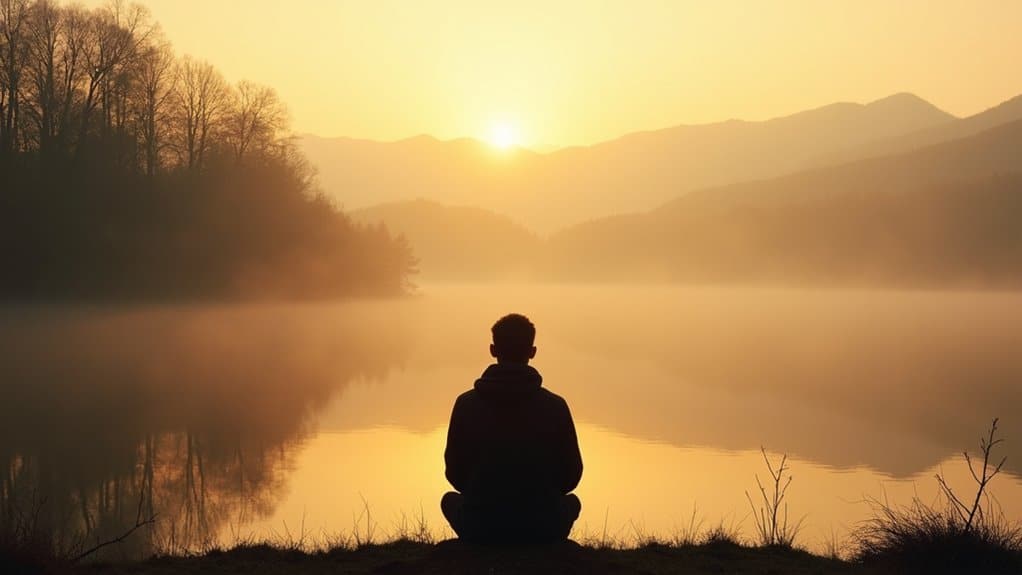
When you approach solitude with positive beliefs about its value, the experience shifts from threatening to restorative. Research shows that individuals who view alone time favorably report decreased negative emotions and increased positive affect afterward. This mindset buffer works especially well if you spend significant time alone.
Choice transforms everything. When you voluntarily select solitude rather than having it imposed, you’re more likely to experience:
- Reduced stress and tension
- Decreased high-arousal negative emotions like anxiety
- Increased feelings of calm and relaxation
- Greater freedom to be yourself
- Emotional recovery from daily demands
After just 15 minutes alone, your nervous system begins deactivating intense emotions. You’ll notice frustration subsiding and mental clarity returning. The key difference between peaceful and painful solitude lies in autonomy and perspective.
How to Turn Loneliness Into Solitude That Heals
Loneliness functions as an internal alarm system, signaling that your emotional needs aren’t being met, much like hunger alerts you to physical nourishment requirements. Your nervous system interprets disconnection as danger, triggering hypervigilance that distorts how you read social cues.
| Loneliness Pattern | Healing Shift |
|---|---|
| Withdrawal and isolation | Voluntary, purposeful solitude |
| Emotional emptiness | Introspection and integration |
| Eroding self-esteem | Building self-sufficiency |
To transform loneliness into healing solitude, you’ll need to reframe separateness as opportunity rather than punishment. Use alone time to metabolize fragmented emotions and restore internal clarity. Research by Bowker et al. links voluntary withdrawal to increased creativity.
Consider examining your inner state through therapeutic conversation, with friends, family, or a therapist, to spotlight whether you’re flourishing in aloneness.
You Don’t Have To Face This Alone
Feeling alone even when you’re surrounded by people is one of the most painful forms of anxiety and depression, and one of the most misunderstood. If this sounds familiar, know that what you’re feeling is real and you deserve real support. The National Depression Hotline connects you with trained professionals available 24/7, free of charge, who can help you work through the anxiety and depression that often lies beneath that feeling of isolation. You are not as alone as you feel. Call +1 (866) 629-4564 today and take the first step toward feeling connected again.
Frequently Asked Questions
Can Loneliness Actually Cause Physical Health Problems Over Time?
Yes, chronic loneliness can considerably harm your physical health over time. Research shows you face a 29% higher risk of heart disease and a 32% increased stroke risk when you’re persistently lonely. Your body responds by elevating cortisol levels, triggering inflammation, and activating stress responses that strain your cardiovascular and immune systems. You’re also at 50% greater risk for dementia. These findings confirm loneliness isn’t just emotional, it’s genuinely physiological.
Why Do Older Adults Experience Loneliness Differently Than Younger People?
You experience loneliness differently as you age because your social networks and life circumstances shift markedly. Younger adults maintain larger, denser networks requiring frequent contact, making disruptions more destabilizing. As you grow older, you’ve typically built established long-term relationships that provide protective factors, even with reduced contact frequency. However, you’ll face unique vulnerabilities, widowhood particularly affects older women, while men over 45 now report higher loneliness rates than women.
Is Feeling Lonely a Sign of Mental Illness or Weakness?
No, feeling lonely isn’t a sign of mental illness or weakness. Research shows loneliness is a widespread human experience that affects people across all demographics. While it’s a risk factor that can increase your vulnerability to depression and anxiety, it doesn’t cause mental illness or indicate personal failure. You’re experiencing a normal response to unmet connection needs. Evidence frames loneliness as a public health concern requiring societal support, not individual blame.
How Much Alone Time Is Too Much for Emotional Well-Being?
There’s no universal threshold, what feels restorative for you might feel isolating for someone else. Research shows duration matters more than intensity; prolonged isolation correlates with depression, cognitive decline, and health risks comparable to smoking 15 cigarettes daily. You’ll want to monitor your emotional state rather than count hours. If solitude leaves you feeling recharged, you’re likely balanced. If you’re experiencing persistent emptiness or disconnection, you’ve probably crossed into harmful territory.
Can Childhood Experiences Affect How Someone Handles Loneliness as an Adult?
Yes, childhood experiences markedly shape how you handle loneliness as an adult. Research shows childhood trauma, particularly emotional abuse, predicts greater loneliness through reduced perceived social support and weakened social connectedness. If you’ve experienced early adversity, you may struggle with emotional dysregulation and feel less safe in relationships, intensifying negative social interactions. These patterns can create chronic loneliness, though trauma-informed approaches can help you develop healthier coping strategies and connections.