To support a depressed teenager, remember their low motivation isn’t laziness, it’s a symptom. Simplify their obligations and use planners to build structure, since motivation follows small steps. Listen instead of lecturing, validate their feelings, and offer specific praise for real progress. Avoid saying “snap out of it” or minimizing their pain. If symptoms last more than two weeks, seek professional help. Below, you’ll discover exactly how to put each of these steps into practice.
Key Takeaways
- Simplify your teen’s obligations and use planners or lists to create structure that makes daily tasks feel less overwhelming.
- Listen and validate feelings without lecturing, arguing, or telling them to “snap out of it.”
- Offer specific, observable praise for effort and small accomplishments rather than demanding perfection.
- Recognize low motivation as a symptom of depression, not laziness, and respond with patient support.
- Seek professional help if symptoms persist beyond two weeks, and get emergency care for any self-harm or suicidal thoughts.
How Do You Motivate a Teenager With Depression

You motivate a depressed teenager by simplifying their obligations, setting realistic expectations, and offering supportive communication rather than pressure. You can’t simply push them to “snap out of it,” and pressure often backfires. Depression motivation grows slowly, so start by simplifying obligations and choosing reasonable commitments that reduce overwhelm. Use structured time, lists, and planners to organize daily routines, and set realistic expectations that ease self-judgment around academics, athletics, or appearance. Support for veterans with PTSD is a critical area that requires compassion and understanding. Creating safe spaces where they can share their experiences without fear of judgment is essential. Additionally, connecting them with resources that specialize in mental health can significantly enhance their healing process.
Supportive communication makes a difference here. Offer gentle praise for specific behaviors and accomplishments rather than vague encouragement, and focus on progress instead of demanding results. Stay calm, listen, and validate feelings.
Motivation also connects to treatment adherence, so encourage keeping therapy and medical appointments. When you back small, achievable goals with patience, you help rebuild confidence one step at a time.
How Is Depression Different in Teenagers Than Adults
Depression in teenagers often looks different than it does in adults, and knowing those differences helps you respond to what you’re actually seeing. When you compare adolescence vs adults, you’ll notice depression teens experience frequently shows up as irritability rather than obvious sadness. Instead of talking openly about low mood, a teen might withdraw socially, refuse school, or let grades slip. You may see changes in sleep, appetite, and energy alongside a loss of motivation that gets mistaken for laziness or defiance. The impact of depression on academic performance can be significant, as declining grades often reflect internal struggles rather than a lack of intelligence or capability. It’s crucial for parents and educators to recognize these signs, as early intervention can help mitigate long-term effects on educational attainment.
That’s why lasting changes deserve attention. Depression in teens can be “more than just moodiness,” so don’t dismiss it. By recognizing that teens don’t always express distress the way adults do, you can name specific symptoms and offer support without criticism.
Why Does Your Depressed Teen Seem Unmotivated
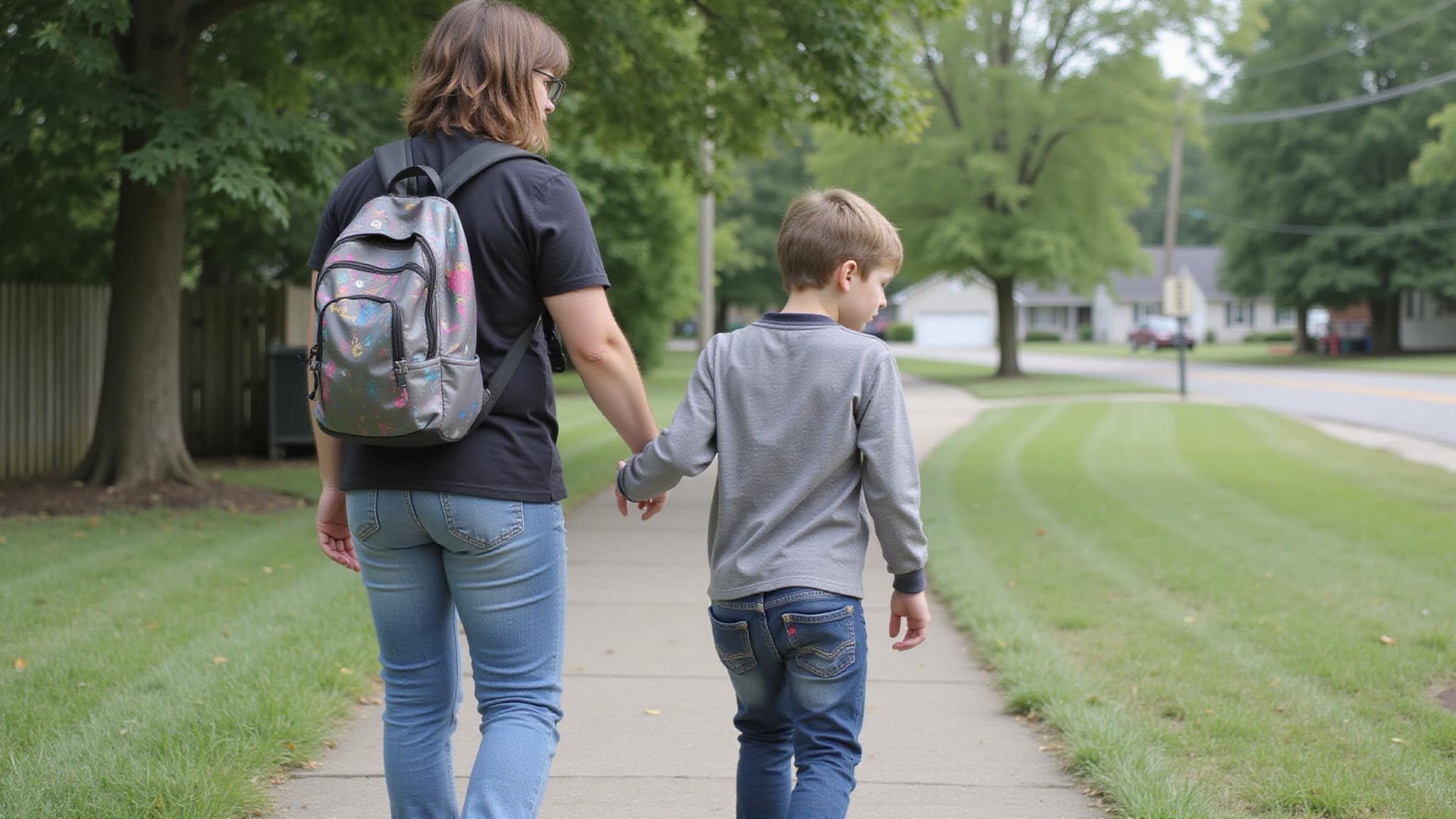
Your depressed teen seems unmotivated because depression drains energy, dulls interest, and makes even small tasks feel overwhelming. What looks like laziness is often a symptom, not a choice. Loss of motivation shows up as falling grades, social withdrawal, and reduced daily functioning, signs that your teen is struggling, not simply being difficult. Recognizing hidden signs of depression in men can be equally challenging, as societal expectations often mask their struggles. Many men may present as strong and stoic, yet they battle feelings of hopelessness in silence.
Understanding this shift matters. When you recognize that low motivation stems from depression, you can respond with supportive parenting instead of pressure. Trying to argue your teen out of it or telling them to “snap out of it” rarely helps.
Instead, name the specific changes you’ve noticed and express concern without criticism. That opens the door to real conversation.
How Do You Talk to Your Teen Without Pushing Them Away
Talk to your teen without pushing them away by focusing on listening rather than lecturing once they start talking. When they share something hard, resist the urge to fix it or argue them out of how they feel. Validation builds trust far faster than correction. Keep your tone calm and nonjudgmental, even when what you hear worries you. Ask open-ended questions that create space without pressure, and make regular time for conversation so contact stays consistent and isolation eases. Steady, supportive communication signals that you’re a safe person to turn to. Over time, that reliable connection can gently rebuild motivation, because feeling understood makes it easier for your teen to keep reaching back toward you.
What Practical Steps Help Motivate a Teenager

Practical steps that help motivate a teenager include focusing on structure rather than willpower, since motivation rarely returns on command. When depression drains energy, small, organized steps work better than pressure. Simplify obligations, help your teen choose reasonable commitments, and use lists or planners to organize daily routines. Set realistic expectations to reduce self-judgment, and offer gentle, specific praise for accomplishments you actually notice.
| Practical Step | Why It Helps |
|---|---|
| Structured routines | Reduces overwhelm and builds predictability |
| Realistic goals | Lowers self-criticism and supports confidence |
| Specific praise | Reinforces progress over “snapping out of it” |
Focus on progress, not perfection. Celebrate effort, not just results. By pairing structure with compassion, you’ll help your teen rebuild motivation gradually, one manageable task at a time.
What Should You Avoid Saying or Doing
Avoid saying “just snap out of it” or “you have nothing to be sad about,” because they dismiss real symptoms and imply your teen should simply try harder. Practicing judgment avoidance means you don’t criticize falling grades, social withdrawal, or low energy as laziness. Avoid lecturing, arguing them out of their feelings, or making comparisons to others. Don’t minimize their pain or promise everything’s fine when it isn’t.
Instead, lean on supportive communication. Listen more than you speak, validate what they’re feeling, and name specific concerns without blame. When you replace pressure with patience, you keep the door open and remind your teen they’re not alone.
When Should You Get Professional Help for Your Teen
You know it’s time to bring in a professional when depression signs last more than two weeks, including persistent sadness, withdrawal, falling grades, sleep or appetite changes, or reduced daily functioning. Don’t wait for things to “pass” on their own; lasting changes deserve attention. A clinician can assess your teen accurately, rule out other causes, and recommend therapy, medication, or both. Your role doesn’t end there. Family support improves treatment adherence, so keep appointments, learn about depression, and encourage your teen to stay engaged with the plan. If you notice self-harm, substance use, or suicidal thoughts, get emergency care immediately. Reaching out isn’t a failure, it’s one of the most protective steps you can take.
Conclusion
Supporting a depressed teenager takes patience, steady presence, and a willingness to listen more than you fix. Rebuilding motivation rarely happens overnight, but small encouragements, realistic expectations, and celebrating tiny wins can help your teen find their footing again. Keeping communication open, taking their feelings seriously, and connecting them with professional help all matter more than having perfect answers. You do not have to guide them through this alone. National Depression Hotline can connect your family with licensed counselors who help teens and the people who love them find real support.
Get Real Support for Your Depressed Teen
Watching a teenager struggle with depression can leave you feeling helpless, but professional support brings real hope for the whole family. Through National Depression Hotline serving Nassau County, we connect you with licensed mental health counselors who provide the right Depression Treatment and compassionate support built around your teen’s needs. Call +1 (866) 629-4564 today and take the first step toward healing.
Frequently Asked Questions
Can Teenage Depression Go Away on Its Own Without Treatment?
You shouldn’t count on it. When you suspect depression in your teen, a professional evaluation is recommended, because lasting changes deserve attention and can worsen without support. If you wait, you might see falling grades, social withdrawal, or self-harm. Instead, you’ll want to keep therapy appointments, support medication adherence, and stay engaged. Your consistent, nonjudgmental support helps, but severe or worsening depression needs professional intervention, not time alone.
How Long Does Depression Treatment Usually Take to Show Results?
Treatment timelines vary, so you won’t always see immediate change. Once your teen starts therapy or medication, you might notice small improvements within a few weeks, though fuller results often take longer. What matters most is sticking with the plan, keeping appointments and staying consistent. If a clinician’s prescribed medicine, adherence helps. Watch for gradual progress rather than overnight recovery, and celebrate specific improvements as they emerge. Patience and steady support really count.
Should I Tell My Teen’s School About Their Depression?
Yes, telling your teen’s school can help, especially if you’re seeing school refusal, falling grades, or social withdrawal. School and community supports work alongside professional care to keep your teen functioning day to day. Try looping in your teen first so they don’t feel exposed, then share only what’s needed. Naming specific concerns without criticism keeps trust intact. If symptoms worsen or safety’s at risk, professional intervention matters most.
Does Depression in Teenagers Increase the Risk of It Returning in Adulthood?
Yes, teen depression can raise the risk of it returning later in adulthood, but that doesn’t mean recurrence is inevitable. When you help your teen get professional evaluation, stick to their treatment plan, and build supportive habits at home, you’re strengthening their long-term resilience. Learning about depression together and keeping communication open matters too. Early, consistent support now can make a real difference in how they cope down the road.
How Can I Support My Own Mental Health While Helping My Teen?
You’ll support your teen better when you protect your own well-being too. Make time for regular sleep, healthy meals, and physical activity, since these steady your mood and energy. Lean on positive friendships and family relationships to reduce isolation. Keep realistic expectations, and don’t pressure yourself to fix everything at once. If you’re struggling, seek professional support, learning about depression helps you understand what’s happening and stay steady while you’re caring for them.