Understanding the Prevalence of Depression During Pregnancy
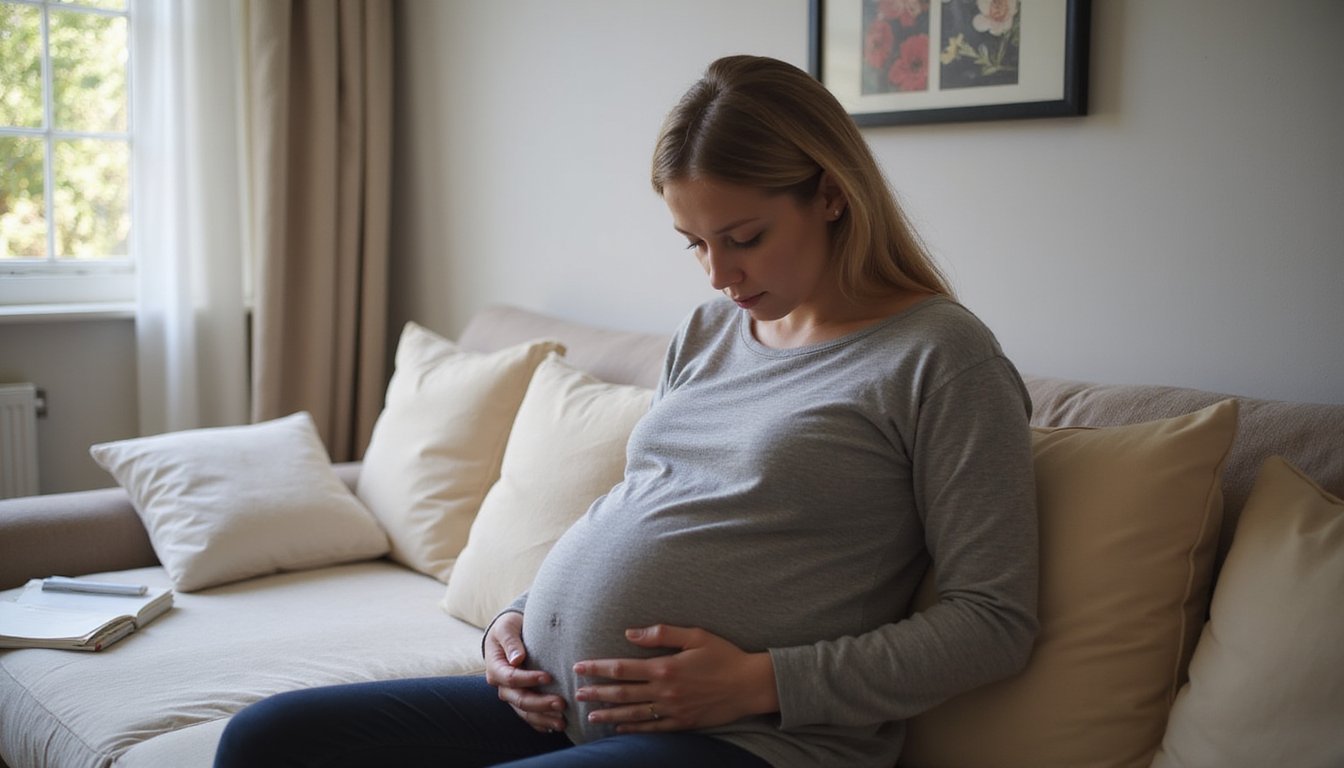
When you’re expecting a baby, depression can feel isolating, but the reality is that you’re far from alone. Research shows that approximately one in seven to ten pregnant women in the United States develops a depressive disorder. Globally, the prevalence reaches even higher, with antenatal depression affecting an average of 28.5% of pregnant women.
You should know that prevalence variations exist based on several factors. Women experiencing intimate partner violence face rates as high as 38.9%, while those living with HIV show 35.1% prevalence. Your geographic location also matters, rates range from 9.7% in Illinois to 23.5% in Mississippi. Additionally, women of American Indian/Alaska and Hawaii Native heritage have a 30% higher incidence of perinatal depression. Those living in poverty suffer from postpartum depression at double the rate of other populations.
Different screening methods yield different results, with self-reported measures showing higher prevalence (27.4%) compared to clinical interviews (17.0%). The prevalence of perinatal depression also increased during the COVID-19 pandemic, reaching 28% based on updated systematic reviews.
Common Signs and Symptoms of Antenatal Depression
Recognizing depression during pregnancy can be challenging because many symptoms overlap with typical pregnancy experiences, fatigue, sleep changes, and mood fluctuations occur in healthy pregnancies too. However, when these symptoms persist for weeks, intensify, or interfere with your daily functioning, they may indicate antenatal depression. Research shows that antenatal depression affects up to 1 in 5 women during pregnancy, making it more common than many expectant mothers realize. Risk factors include anxiety, life stress, poor social support, and a personal or family history of depression.
| Warning Signs | When to Seek Help |
|---|---|
| Persistent sadness lasting weeks | Symptoms don’t improve with rest |
| Withdrawal from prenatal care | You’re avoiding appointments |
| Intrusive thoughts about harm | Thoughts feel uncontrollable |
| Loss of interest in pregnancy | Emotional detachment persists |
| Unhealthy coping behaviors | Using substances to manage feelings |
Untreated depression can contribute to relational challenges with your partner and physical complications affecting both you and your baby. The good news is that effective treatments are available, including psychotherapy, cognitive behavioral therapy, and medications that are safe for both mother and baby. You deserve compassionate, evidence-based support throughout your pregnancy journey.
Risk Factors That Increase Your Chances of Perinatal Depression

Certain factors can increase your likelihood of developing perinatal depression, and understanding them helps you stay proactive about your mental health. Your personal history plays a significant role, if you’ve experienced depression before, particularly during a previous pregnancy, or if depression runs in your family, your risk is substantially higher. Research shows that women with antenatal depression have a 4.58-fold greater risk of developing postpartum depression. Hormonal considerations are also important, as a thyroid imbalance can contribute to your risk of developing perinatal mental health conditions. Life circumstances also matter, including exposure to intimate partner violence, financial strain, unintended pregnancy, and major stressful events, all of which can heighten your vulnerability during this sensitive time. Additionally, lower socioeconomic status, less education, and limited social support networks are demographic factors consistently associated with higher rates of prenatal depression.
Personal History and Demographics
Although pregnancy brings significant physical changes, certain personal circumstances and demographic factors can substantially influence your risk for developing perinatal depression. Research shows that socioeconomic factors like lower income and unemployment greatly increase your vulnerability, while relationship dynamics, particularly lacking partner support, can augment depression risk nearly twofold.
| Risk Factor | Impact Level | Key Finding |
|---|---|---|
| Income below 2 minimum salaries | High | 1.78x increased risk |
| Single/no partner | High | 1.86x increased risk |
| Non-Hispanic Black race | Enhanced | Highest PPD prevalence |
| Advanced maternal age | Moderate | Higher PPD rates |
| Lower education level | Moderate | Reduced protective factors |
Your racial and ethnic background also matters. Non-Hispanic Black mothers experience the highest depression rates, while Asian and Pacific Islander women often face barriers to initiating mental health conversations with providers. These risk factors have been identified through systematic review of research conducted by experts from multiple disciplines including obstetrics, psychiatry, and public policy.
Life Stressors and Trauma
Beyond demographic factors, the life stressors you encounter before and during pregnancy profoundly shape your mental health trajectory. Financial strain, relationship conflict, and trauma history each independently increase your depression risk, but their combined effects prove most concerning. Research shows a clear dose-response relationship, with mothers experiencing six or more stressful events showing a 43.4% prevalence of postpartum depression.
Relational stress emerges as the strongest predictor, with inadequate partner support creating an 8.6-fold increased risk when combined with trauma exposure. Your cumulative trauma exposure matters greatly, experiencing three or more traumatic events quadruples your risk of antenatal depression. Childhood sexual abuse increases risk 2.47-fold, demonstrating how early adversity creates lasting vulnerability. Interestingly, research indicates that trauma history shows a stronger connection to depression during pregnancy rather than postpartum, suggesting that timing of vulnerability differs across the perinatal period.
The chronic stress burden you carry dysregulates your body’s stress response system, which pregnancy naturally amplifies. Recognizing these risk factors isn’t about blame, it’s about understanding your unique vulnerability profile so you can seek appropriate support early.
How Depression During Pregnancy Differs From Normal Mood Changes
You’ll notice key differences between normal pregnancy mood changes and depression in how long symptoms last and how intensely they affect you. While typical mood shifts resolve within days to a few weeks and remain manageable, depression persists for weeks or months with symptoms severe enough to disrupt your daily activities and functioning. If you’re experiencing ongoing sadness, hopelessness, or loss of interest that doesn’t improve, it’s important to recognize these as potential signs of depression rather than dismissing them as normal pregnancy experiences. Timely treatment of depression during pregnancy is essential because untreated symptoms can worsen and continue into the postpartum period. Hormonal fluctuations during pregnancy significantly influence mood regulation, which is why some women become more vulnerable to developing depression during this time. If you suspect you may be experiencing depression, you should speak to your GP or midwife as soon as possible to receive appropriate treatment and support.
Duration and Intensity Differences
How can you tell whether what you’re feeling is a normal part of pregnancy or something that requires professional attention? The key lies in understanding duration and intensity.
Normal mood swings tied to hormonal shifts typically last hours or days, then resolve. Depression, however, produces persistent symptoms lasting weeks or months without improvement. If you’ve felt consistently low for more than two weeks, this warrants evaluation.
Intensity matters equally. You’ll naturally experience mild emotional fluctuations, moments of delight mixed with anxiety. Depression presents differently: severe sadness, overwhelming hopelessness, or complete loss of interest in activities you once enjoyed. When irritability, guilt, or feelings of worthlessness exceed what normal stress would cause, you’re likely experiencing something beyond typical pregnancy changes. A history of depression, excessive anxiety, and poor self-esteem may also suggest you’re dealing with depression rather than normal mood fluctuations. These distinctions help you recognize when professional support becomes necessary.
Daily Functioning Impact
Depression’s effects extend beyond emotional symptoms to noticeably disrupt your ability to manage everyday responsibilities. You may notice concentration difficulties that impair your work performance and decision-making capacity. Simple tasks become overwhelming, leading to inadequate task completion across professional and personal domains.
Your self-care routines often deteriorate remarkably. Limited self care manifests as neglected personal hygiene, poor nutrition, and skipped prenatal vitamins essential for fetal development. You might avoid exercise and struggle to maintain basic daily routines that previously felt automatic.
Unlike typical pregnancy fatigue that responds to rest, depression-related exhaustion persists regardless of sleep. You may find yourself unable to prepare for your baby’s arrival or engage meaningfully with your pregnancy. These functional impairments signal that professional support is necessary.
When Symptoms Persist
The distinction between normal pregnancy mood changes and clinical depression lies primarily in how long your symptoms last and whether they improve. While typical mood fluctuations resolve within days, depression persists for weeks or months without relief. Your symptoms may worsen over time, even when you receive support from loved ones and healthcare providers.
Understanding the underlying causes helps you recognize when professional intervention becomes necessary. Consider these risk mitigation strategies:
- Track symptom duration: Continuous sadness occurring most of the day, nearly every day, signals depression
- Monitor responsiveness: Symptoms that don’t improve with rest or support require clinical evaluation
- Note progression patterns: Worsening emotional states despite positive circumstances indicate depression
- Recognize persistence: Without treatment, prenatal depression often develops into postpartum depression
Early recognition enables timely intervention and better outcomes.
The Connection Between Antenatal and Postpartum Depression
While pregnancy brings profound physical and emotional changes, research reveals a critical link between depression during pregnancy (antenatal depression) and depression after delivery (postpartum depression). If you experience antenatal depression, you’re 3.45 times more likely to develop postpartum depression compared to mothers without prenatal depressive symptoms. It is essential for expecting mothers to seek support if they notice signs of antenatal depression, as early intervention can significantly impact their mental well-being. Understanding the risk factors associated with postpartum depression can empower women to manage their health effectively. By fostering a proactive approach, families can create a nurturing environment that promotes emotional resilience during the challenging postpartum period.
This connection remains stable even after accounting for sociodemographic and clinical factors, suggesting an underlying vulnerability that persists throughout the perinatal period. The impact on pregnancy outcomes**** extends beyond mood, affecting birth timing and infant health.
Understanding this relationship underscores the importance of early intervention. When you address depression during pregnancy, you’re not only caring for your current wellbeing, you’re actively reducing your risk for postpartum depression and protecting your baby’s developmental outcomes. Postpartum depression after miscarriage can also significantly affect a parent’s emotional recovery. Recognizing and addressing these feelings promptly can lead to healthier coping mechanisms and a supportive environment for future pregnancies. Seeking guidance from professionals can help individuals navigate this challenging period and promote overall mental wellness.
Why Many Women Hesitate to Seek Help for Prenatal Depression

Why do so many women struggle in silence when prenatal depression affects up to one in five pregnancies? Research reveals significant barriers that prevent you from accessing care, even when you recognize something’s wrong.
Research shows up to one in five pregnancies involve prenatal depression, yet countless women face barriers that keep them struggling in silence.
Common barriers you may face:
- Time constraints: 65% of pregnant women cite lack of time as their greatest obstacle to treatment
- Social stigma concerns: 43% hesitate to disclose symptoms due to fear of judgment
- Childcare responsibilities: 33% can’t attend appointments without support for existing children
- Medication fears: Only 35% would accept antidepressants due to concerns about fetal safety
Understanding these barriers helps you identify what’s holding you back. You deserve accessible treatment avenues that fit your life circumstances and honor your preferences for care.
Steps to Take When You Notice Depressive Symptoms
Recognizing depressive symptoms early often makes the difference between timely intervention and prolonged suffering. When you notice persistent sadness, hopelessness, or loss of interest lasting more than two weeks, document when symptoms began and track their intensity patterns.
Contact your obstetrician or midwife promptly with specific examples of how symptoms affect your daily functioning. Request a PHQ-9 screening and ask about referrals to perinatal mental health specialists. Discuss your psychiatric history and previous treatments openly.
While awaiting professional evaluation, incorporate self compassion practices into your routine and connect with community care groups designed for expectant mothers. These supports complement clinical treatment effectively.
If you experience thoughts of self-harm or inability to cope, seek immediate professional intervention, don’t wait for your next scheduled appointment.
Building Your Emotional Support Network During Pregnancy
Building a strong emotional support network during pregnancy directly impacts your mental health outcomes and reduces depression risk. You’ll benefit from connecting with people who understand your journey and can provide practical assistance when needed.
Research shows that cultivating self care habits becomes easier when you’re surrounded by supportive individuals. Your network should include trusted friends, family members, and healthcare providers who encourage prioritizing prenatal checkups.
Key strategies for building your support network:
- Join pregnancy support groups or online communities to connect with women experiencing similar challenges
- Communicate openly with your partner about emotional needs and attend appointments together
- Reach out to family members for specific help with household tasks or emotional listening
- Access local resources including therapists, parenting classes, and mental health services
Strong connections reduce isolation and foster resilience.
Professional Treatment Options and Resources for Pregnant Women
While your personal support network provides emotional grounding, professional treatment offers evidence-based interventions that can substantially improve depression outcomes during pregnancy. Interpersonal psychotherapy has proven effective for mild-to-moderate cases, with combined therapy and medication achieving 65% remission rates.
If you’re experiencing severe depression, your provider may recommend antidepressants like sertraline. Understanding medication risks is essential, studies show associations with premature birth and low birth weight, though you’ll weigh these against untreated depression’s consequences.
Unfortunately, treatment access barriers remain significant. Only 13.6% of women with antenatal depression receive any care, and just 4.8% achieve remission. Collaborative care models in OB/GYN settings have shown promising results, reducing symptoms by 50% at twelve months. Ask your healthcare provider about integrated mental health services available through your practice.
Frequently Asked Questions
Can Depression During Pregnancy Harm My Baby’s Development?
Yes, untreated depression during pregnancy can affect your baby’s development. Research shows it may impact fetal growth, brain structure, and increase risks for preterm birth and low birth weight. Hormonal changes during depression can alter cortisol levels, influencing your baby’s developing nervous system. However, you’re not powerless, seeking treatment makes a real difference. Working with your healthcare provider on stress management strategies and emotional support can protect both you and your baby’s wellbeing.
How Long Does Perinatal Depression Typically Last Without Treatment?
Without treatment, perinatal depression may persist for months or even years, approximately 25% of individuals experience symptoms for up to three years postpartum. Unlike the “baby blues,” which resolve within weeks, untreated mood disorders can progress into chronic depression. You don’t have to endure this alone. Early intervention substantially improves outcomes, with 80% of people achieving full recovery through appropriate care. Reaching out for support is a crucial first step toward healing.
Is It Safe to Take Antidepressants While Pregnant?
Research shows most SSRIs are considered safe during pregnancy, with minimal medication risks when you weigh them against untreated depression. Studies consistently find no substantial increase in birth defects from prenatal antidepressant exposure. You’ll want to discuss your treatment options with your healthcare provider, who can evaluate your specific situation. Since untreated depression carries significant risks for both you and your baby, continuing or starting medication may be the safest choice.
Will Having Depression During Pregnancy Mean I’ll Have Postpartum Depression Too?
Having depression during pregnancy doesn’t guarantee you’ll develop postpartum depression, but it’s one of the strongest risk factors. Research shows antenatal depression increases your likelihood by about 3.5 times. The good news? Early identification and treatment approaches can substantially reduce this risk. By addressing your depression now, whether through therapy, medication, or support systems, you’re actively protecting your mental health for the postpartum period ahead.
Can My Partner or Family Members Be Screened for Depression During My Pregnancy?
Yes, your partner and family members can be screened for depression during your pregnancy. Mental health screening using validated tools like the EPDS or PHQ-9 helps identify when caregivers need support. Research shows one in three fathers experience depression when their partner does. Support system involvement matters because everyone’s wellbeing affects your family’s health. Talk to your healthcare provider about screening options for those closest to you.