Medical marijuana can reduce your depressive symptoms by up to 50% within minutes, and 95% of users report immediate improvement. However, this relief is neurobiologically misleading. THC’s biphasic effect boosts dopamine at low doses but diminishes it at higher ones, and chronic use raises your odds of developing depression by 1.62 times. Evidence-based treatments like CBT achieve 61%, 87% response rates with lasting results. Understanding how marijuana reshapes your brain’s mood systems reveals why those quick benefits don’t last.
Why So Many People Use Marijuana for Depression
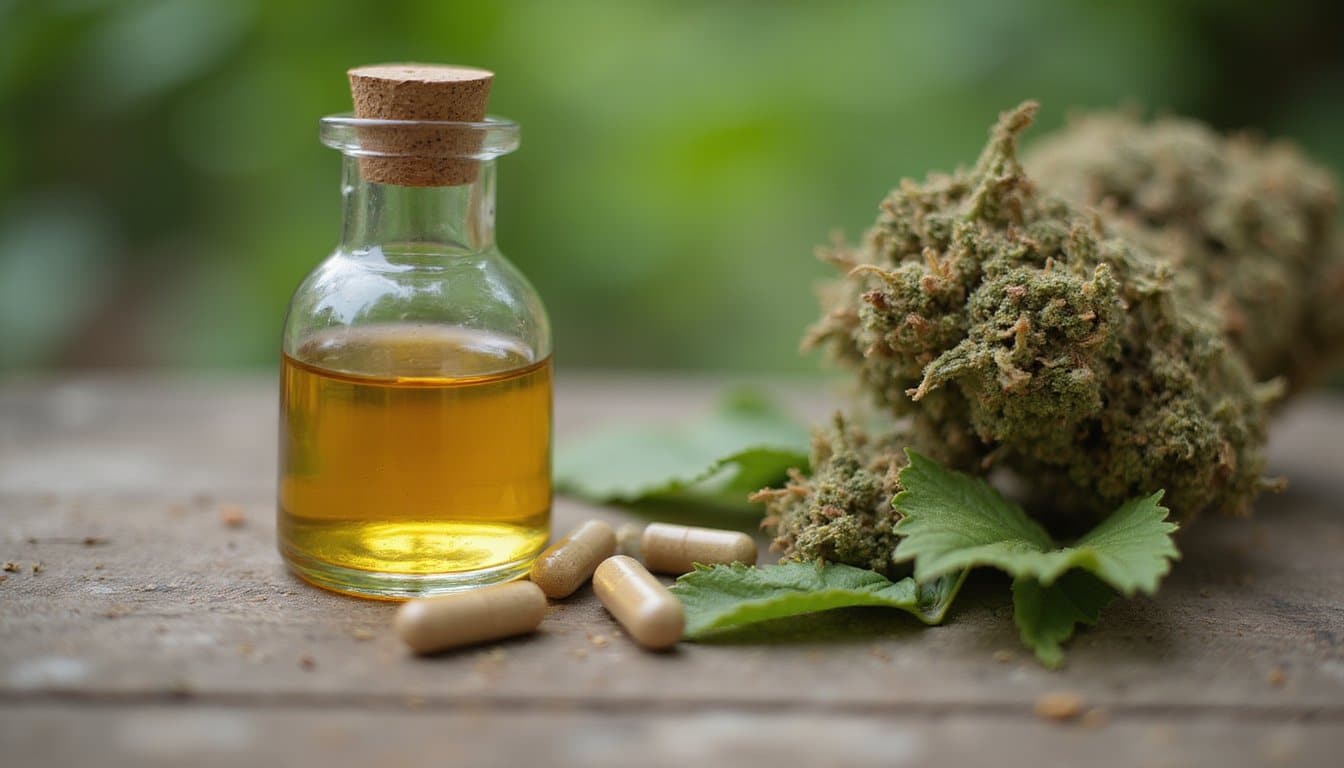
When examining why so many individuals turn to cannabis for depression, the data reveals a compelling pattern of perceived rapid relief. Studies show approximately 95% of users report immediate symptom improvement, with just two puffs producing a 50% reduction in depressive symptoms. This rapid onset, minutes versus weeks for traditional antidepressants, drives the question of whether can depression be treated with medical marijuana.
You’ll find many users perceive cbd depression benefits as a natural alternative with fewer side effects, with 71% reporting no significant adverse reactions. Alternative treatments depression cannabis appeals particularly when you’re managing comorbid anxiety, sleep disturbances, or chronic pain alongside depression. However, this perceived effectiveness often substitutes for evidence-based interventions, reducing your likelihood of seeking professional treatment. Additionally, the growing legalization increases access and perceived safety of marijuana, further encouraging individuals to self-medicate their depressive symptoms rather than pursue traditional care.
Why Marijuana Relieves Depression Fast but Not for Long
When you use cannabis, THC rapidly enhances dopamine synthesis at low doses, producing a quick mood lift that can feel like genuine relief from depressive symptoms. However, this biphasic mechanism works against you over time, higher or repeated doses actually decrease dopamine activity, potentially leading to anhedonia and blunted emotional responses. Your brain’s reward circuitry adapts through neurobiological tolerance, which explains why the initial antidepressant effect diminishes while your risk of worsening depression increases with continued use. Research confirms that individuals with moderate-to-severe depression had nearly double the odds of cannabis use, suggesting that the fleeting relief drives a self-reinforcing cycle of dependency rather than lasting improvement.
Rapid Mood Boost Mechanism
Your endocannabinoid system efficiency determines how effectively cannabinoids reduce neuroinflammation and modulate stress responses through the hypothalamic-pituitary axis. Meanwhile, CBD depression effects involve anxiolytic properties through GABA signaling enhancement. However, dopamine response follows a biphasic pattern, low doses stimulate production, while higher concentrations diminish it, limiting sustained therapeutic benefit. Additionally, abruptly stopping THC use can worsen depressive symptoms, which is why gradual discontinuation of THC is recommended to avoid withdrawal effects that may counteract any mood improvements gained during treatment.
Diminishing Returns Over Time
Though initial cannabis use often produces noticeable mood elevation, CB1 receptor downregulation progressively erodes this effect with continued exposure. Your brain’s diminished responsiveness to THC means you’ll require increasing doses to achieve the same relief, a cycle that cannabis depression treatment research consistently documents.
| Factor | Clinical Implication |
|---|---|
| CB1 receptor tolerance | Reduced THC depression effects over time |
| Withdrawal-driven reuse | False perception of therapeutic efficacy |
| Heavy use (OR 1.62) | Increased depression risk versus non-users |
| Treatment resistance in chronic cannabis users | Poorer outcomes in depression management |
Longitudinal data reveal that persistent cannabis use correlates with sustained depressive symptoms at follow-up. You’re not treating depression, you’re masking withdrawal. This negative reinforcement cycle perpetuates the condition rather than resolving it.
What Long-Term Marijuana Use Does to Depression

When you use marijuana consistently over months or years, your depressive symptoms don’t stabilize, they tend to worsen, with heavy users facing 1.62 times the odds of developing depression compared to non-users. THC’s repeated interference with your brain’s natural neurotransmitter regulation disrupts the very mood-control systems you’re trying to fix, altering function in regions directly responsible for emotional processing. This creates a cycle where the substance you’re relying on for relief progressively undermines your brain’s capacity to regulate mood independently.
Worsening Symptoms Over Time
Because cannabis often delivers rapid mood relief within 20 minutes of use, many people assume the benefit persists, but longitudinal data tells a different story. When examining whether marijuana helps with depression long-term, research reveals a progressive worsening pattern. Young adults who increased consumption between ages 18-19 reported greater depressive symptoms between ages 19-20, even after reducing use.
Cannabis for depression treatment carries measurable risks: regular users face 1.5-fold increased odds of major depressive episodes, while heavy users show 1.62-fold increased odds compared to non-users. Products higher in THC content demonstrate stronger associations with adverse psychiatric outcomes. Despite growing interest in mental health cannabis therapy, these temporal patterns indicate that short-term relief systematically gives way to deepening symptom severity.
Brain Function Changes
Beyond worsening symptom trajectories, long-term cannabis use produces measurable structural and functional changes in brain regions directly involved in mood regulation. Research reveals that these neurological alterations overlap considerably with changes observed in depression, raising concerns about whether cannabis compounds, including CBD, can address what they may simultaneously worsen.
Key findings from neuroimaging studies include:
- Heavy users showed 63% reduced brain activity in the dorsolateral prefrontal cortex during working memory tasks, a region targeted by depression treatments.
- Chronic users demonstrated markedly reduced gray matter volume in bilateral orbitofrontal gyri, independent of other substance use.
- Cannabis use level correlated with impaired hippocampal activity, mirroring structural changes seen in major depression.
- THC disrupted serotonin receptor signaling through mTOR pathways, producing cognitive deficits persisting into adulthood.
Why Marijuana Feels Good at First but Flattens Your Mood Over Time
Though cannabis may initially produce a pleasant mood lift, this effect reflects a specific neurochemical pattern that reverses with continued use. THC follows a biphasic dopamine response, low doses enhance dopamine synthesis, activating your brain’s reward system and generating mild euphoria. You experience mood elevation and emotional relief during early, modest consumption.
However, tolerance develops rapidly. You’ll need progressively higher doses to replicate initial effects, and this escalation triggers dopamine suppression rather than enhancement. Chronic use decreases overall dopamine activity, leading to anhedonia, a diminished capacity to experience pleasure. You may notice psychomotor retardation, emotional withdrawal, and reduced neural responsiveness to rewarding stimuli.
Neurobiologically, prolonged use dysregulates your endocannabinoid system, promotes neuroinflammation, and correlates with hippocampal volume reductions. These changes collectively flatten your mood rather than sustain any antidepressant benefit.
How Marijuana Changes the Same Brain Areas Depression Targets

When you use marijuana, THC directly alters activation patterns in your prefrontal cortex, the same region that shows decreased function in major depressive disorder and serves as a target for depression treatments like transcranial magnetic stimulation. Simultaneously, THC produces biphasic effects on your dopamine system, initially boosting dopamine release in the nucleus accumbens but blunting reward-circuit responsiveness over time, which mirrors the anhedonia central to depression. These changes compound as THC dysregulates your endocannabinoid system’s modulation of serotonin firing in the dorsal raphe nucleus, disrupting a neurotransmitter pathway that most antidepressant medications are specifically designed to support.
Prefrontal Cortex Activation Changes
Because the prefrontal cortex governs executive function, emotional regulation, and decision-making, it’s a critical region where marijuana’s neurological effects and depression’s pathophysiology directly converge. Research identifies several measurable activation changes you should understand:
- Decreased anterior cingulate cortex and dorsolateral prefrontal cortex activation correlates directly with cognitive deficits observed in cannabis users.
- Increased compensatory brain processing effort during inhibition tasks persists even after 28 days of abstinence.
- Disrupted prefrontal connectivity alters functional patterns compared to non-users.
- Suppressed cortical oscillations undermine the neural processes supporting cognition.
These functional impairments mirror prefrontal dysfunction documented in major depressive disorder. You’re fundamentally looking at two conditions targeting identical neural circuits, raising concerns that cannabis use could compound rather than alleviate depression-related prefrontal deficits.
Dopamine System Disruption
Dopamine, the neurotransmitter most directly tied to motivation, reward, and pleasure, sits at the center of both marijuana’s pharmacological action and depression’s core pathology. When you first use THC, it increases dopamine neural firing by suppressing GABAergic inhibition, producing temporary mood elevation.
However, chronic use fundamentally disrupts this system. You’ll experience blunted dopamine synthesis and release in the striatum, the same region governing reward processing, working memory, and motivation. Heavy users demonstrate markedly lower striatal dopamine release compared to non-users, with reductions spanning associative and sensorimotor subregions.
Your brain’s dopamine receptors also lose sensitivity. Research shows marijuana users display attenuated responses to dopamine stimulation, including blunted behavioral and cardiovascular reactivity. This decreased responsiveness contributes to negative emotionality and may intensify the very depressive symptoms you’re attempting to alleviate.
Endocannabinoid System Dysregulation
Your brain’s endocannabinoid system (ECS) regulates the same neural circuits that depression disrupts, reward processing, stress response, and emotional behavior, through CB1 and CB2 receptors, TRPV1 channels, and GPR55 signaling. When you use marijuana chronically, you alter this system’s baseline functioning in measurable ways. Your brain’s endocannabinoid system (ECS) regulates the same neural circuits that depression disrupts, reward processing, stress response, and emotional behavior, through CB1 and CB2 receptors, TRPV1 channels, and GPR55 signaling. When you use marijuana chronically, you alter this system’s baseline functioning in measurable ways, which can prompt comparisons with other agents, such as is gabapentin a nervous system depressant that also influence central nervous system activity.
Research identifies four key disruptions:
- HPA axis dysregulation develops, impairing your stress response independently of glucocorticoid levels.
- Monoaminergic pathway changes alter serotonin and dopamine signaling essential for mood stability.
- Excessive synaptic pruning occurs in your prefrontal cortex, compromising executive function and emotional regulation.
- Glutamatergic and GABAergic imbalances emerge from prolonged THC exposure, destabilizing inhibitory-excitatory neural equilibrium.
Endocannabinoids like 2-AG and AEA function as potential biomarkers for depression severity, suggesting ECS disruption doesn’t just accompany depression, it mechanistically deepens it.
What Do Clinical Trials Say About Marijuana and Depression?
How well does medical marijuana actually perform when put to the test in clinical trials? In one 18-week study of 59 patients with major depressive disorder, depression severity dropped from 6.9 to 3.8 points, with 50.8% achieving over 50% symptom reduction. A Johns Hopkins observational study found scores fell below clinically significant levels within three months of cannabis initiation. How well does medical marijuana actually perform when put to the test in clinical trials, and what are the effects of cannabis on mental health in measurable terms? In one 18-week study of 59 patients with major depressive disorder, depression severity dropped from 6.9 to 3.8 points, with 50.8% achieving over 50% symptom reduction. A Johns Hopkins observational study found scores fell below clinically significant levels within three months of cannabis initiation.
However, you should weigh these findings against the largest systematic review to date, conducted by the University of Sydney in March 2026, which found no effective evidence supporting cannabis for depression treatment. The review warned that cannabis may worsen mental health outcomes. Acute effects appear promising, 10-15 mg oral THC showed dose-dependent reductions, but rigorous, large-scale scrutiny doesn’t yet support earlier optimistic conclusions.
Why Young and Heavy Users Face the Highest Depression Risk
While clinical trials offer mixed results for adults, the risk profile shifts dramatically when cannabis enters a still-developing brain. Your adolescent brain’s cerebral cortex remains under construction, making it uniquely vulnerable to cannabis-induced neurochemical disruption.
The data reveals dose-dependent escalation:
- Weekly use doubles your risk of depression and anxiety during adolescence.
- Monthly use triples your likelihood of suicidal ideation compared to non-users.
- Daily use in young women predicts a 4.2-fold increase in depression and anxiety odds.
- Early initiation with continued use through age 29 produces the worst long-term mental health outcomes.
Female adolescents show amplified vulnerability, with sex-based disparities consistently emerging across studies. A 16-year longitudinal study found previously non-depressed cannabis users were four times more likely to develop depression.
Low Motivation, Poor Sleep, and Other Ways Marijuana Deepens Depression
Beyond the heightened vulnerability of younger users, cannabis also undermines mood stability through specific neurobiological mechanisms that mirror and amplify core depressive symptoms. THC follows a biphasic dopamine pattern, low doses enhance release, while high doses suppress it, directly promoting anhedonia. Chronic use decreases cerebral activation in reward-processing regions, dulling your capacity for pleasure and motivation.
Sleep quality also deteriorates. You may turn to cannabis to manage depression-related insomnia, yet research shows it worsens overall sleep architecture, creating a self-reinforcing cycle of disrupted rest and deepening symptoms.
Neuroimaging reveals decreased activation in your anterior cingulate cortex and dorsolateral prefrontal cortex, regions critical for emotional regulation. These psychomotor and emotional changes produce weight fluctuations, withdrawal from activities, and emotional blunting that complicate accurate diagnosis and effective treatment.
Does Quitting Marijuana Improve Depression Symptoms?
Because chronic cannabis use disrupts the brain’s independent neurotransmitter production, quitting doesn’t produce immediate relief, it initially intensifies depressive symptoms. Your serotonin and dopamine levels plummet as your brain recalibrates to functioning without cannabinoid stimulation. The first two weeks typically present the most acute discomfort.
However, longitudinal research involving 302 adults demonstrates that cannabis reduction correlates with significant improvements:
A study of 302 adults reveals that reducing cannabis use leads to measurable improvements in mental health over time.
- Concurrent reduction in anxiety and depression symptoms over time
- Improved sleep quality alongside mood stabilization
- Dissolution of psychological dependence, enabling direct treatment of underlying conditions
- Enhanced emotional regulation with fewer extreme mood fluctuations
These findings directly contradict expectations that cessation elevates negative mood. You’ll likely experience more balanced moods, improved stress resilience, and reduced panic episodes as neurotransmitter systems independently stabilize.
What Actually Works for Depression Instead of Marijuana
Though marijuana may offer fleeting mood relief, evidence-based treatments deliver measurably superior outcomes for depression. CBT produces response rates of 61%-87% and demonstrates superiority over medication in long-term outcomes. When you combine CBT with TMS, results improve further, 66% response and 55% remission rates.
If you’re treatment-resistant, the SAINT-iTBS protocol achieves 85.7% response and 78.6% remission rates within one week. Ketamine provides rapid relief, with 60% of patients benefiting within three days, though durability remains limited.
Behavioral activation counters depression’s hallmark avoidance patterns, while MBCT’s structured eight-week program builds resilience through mindfulness techniques. Antidepressant medications, particularly TCAs, address neurochemical imbalances in moderate-to-severe cases. Each option carries stronger clinical evidence than cannabis, and your provider can tailor combinations to your specific needs. Recent studies have explored gabapentin’s effects on anxiety disorders, suggesting it may offer relief for individuals who struggle with these conditions. The medication’s ability to stabilize mood and reduce symptoms has led to its consideration as an adjunct therapy alongside traditional interventions.
You Deserve Help, and We Are Here for You
Living with depression and anxiety can feel isolating, but you do not have to face it alone. At National Depression Hotline, our trained professionals are available 24/7 and can guide you toward the right Depression and Anxiety support tailored to your needs. Relief is closer than you think. Call +1 (866) 629-4564 today and take the first step toward feeling like yourself again.
Frequently Asked Questions
Can CBD Oil Treat Depression Without the Negative Effects of THC?
You may find CBD offers antidepressant potential without THC’s harmful effects. CBD activates endocannabinoid receptors, regulating mood, restores endocannabinoid function, and interacts with serotonin systems, all without causing dopamine dysregulation or anhedonia risk. Studies show medicinal cannabis containing CBD reduces depression severity over months. However, you shouldn’t consider it a first-line treatment. Evidence remains preliminary, and you’ll benefit most from combining evidence-based therapies like counseling and antidepressants with your healthcare provider’s guidance.
Is It Safe to Use Marijuana Alongside Prescription Antidepressant Medications?
You shouldn’t combine marijuana with prescription antidepressants without your doctor’s guidance. Cannabinoids interact with serotonin and dopamine pathways, the same systems your antidepressants target, potentially creating unpredictable effects. Research hasn’t established clear safety profiles for this combination, and interactions may increase side effects or reduce medication effectiveness. You’ll want to discuss any cannabis use openly with your prescribing physician, as they can monitor for adverse reactions and adjust your treatment accordingly.
Does the Method of Consuming Marijuana Affect Its Impact on Depression?
Yes, your method of consumption can influence marijuana’s effects on mood. Inhalation delivers THC rapidly, producing quicker but shorter-lasting euphoria, while edibles create delayed, prolonged effects that are harder to dose precisely. Since THC shows a biphasic pattern, low doses may enhance dopamine while high doses decrease it, your delivery method directly affects dosing accuracy and mood outcomes. You should discuss consumption methods with your provider to minimize risks of worsening depressive symptoms.
How Long After Stopping Marijuana Do Depression Symptoms Typically Improve?
Research doesn’t establish a definitive timeline for depression improvement after you stop using marijuana. However, studies show that once you achieve confirmed abstinence, you’ll likely experience measurable improvements in depressive symptoms alongside cognitive enhancements. Your brain’s dopamine system and endocannabinoid receptors gradually rebalance, supporting mood stabilization. Recovery varies considerably based on your usage duration, THC concentration, and any coexisting psychiatric conditions, making individualized clinical guidance essential.
Are Certain Marijuana Strains Less Likely to Worsen Depression Over Time?
Products with lower THC and higher CBD ratios are less likely to worsen your depression over time. High-THC strains carry a greater risk for adverse psychiatric effects, including anhedonia and mood instability, because chronic THC exposure decreases dopamine activity. You’ll also find that lower doses show less frequent linkage to depression emergence than heavy use. However, no strain has proven safe for long-term depression management, so you should prioritize evidence-based treatments.