Does Depression Cause Headaches?
The clinical term for depression is “depressive disorder.” It’s not just “feeling sad,” although that is one of the symptoms. Other signs include listlessness, loss of interest in things that you formerly enjoyed, feelings of worthlessness or guilt, and difficulty concentrating. Often, people experience multiple symptoms. Interestingly, sometimes, they experience these events at the same time as experiencing others. Generally, to be considered clinically depressed, you have to have experienced symptoms for at least two weeks, and the symptoms must be an obvious departure from the way you felt prior to the onset of symptoms.
Certain physical ailments, such as a malfunctioning thyroid gland or a brain tumor, can show the same symptoms as depression. It’s a good idea to have a battery of tests done to rule out physical causes before deciding on a course of treatment. Misdiagnosis could have dire consequences, so being careful and diligent is important for the success of your treatment for depressive disorder.
Yes, depression can directly cause headaches. When depression affects brain chemistry, it can lower pain tolerance and make both tension-type headaches and migraines more likely. The connection can also work in the other direction, meaning recurring headaches may worsen depression and make the overall cycle harder to break without treating both conditions together.
What Depression Isn’t
Depression is not the same as grief or bereavement. In those cases, something happened to cause grief or bereavement. Someone died. Someone lost a job. Someone’s relationship or marriage ended. The sadness that comes along with depressive disorder is a result of the condition and not of an outside stimulus.
Additionally, the melancholy that comes with depression is constant, whereas grief and bereavement have periods of brightness between the sad times. That’s not to say that the two don’t sometimes go together. They do, but they are distinct and separate things, and each requires its own treatment.
Are You at Risk for Developing Depression?
First, just because someone has risk factors for depression doesn’t mean that that person will develop the condition. It seems like everything causes cancer these days, but some people don’t develop the disease, no matter how many risk factors there are. Still, if one or more of these apply to you, then it might be a good idea to see a mental health professional to get advice and guidance about how to proceed.
Some people have inherited biochemical markers that predispose them to depression. Others have inherited traits that produce a higher chance of developing depression. As an example of this, it’s up to 70% more likely for one person of a set of twins to develop depression if the person’s twin has already developed it.
It’s also possible for a person’s upbringing and surroundings to have an effect on whether or not that person develops the condition. For example, poverty and violence both have an effect. The same applies to an abusive or neglectful environment while growing up. There are also forms of depression that only occur sometimes, such as postpartum depression or what used to be called seasonal depression and is now known as seasonal affective disorder.
Treatment for Depression
There are several treatments for depression. Not everyone will respond well to all treatment options, so it’s crucial to discuss each of the options with your therapist and/or psychiatrist before seeking treatment. In no particular order, the treatment options include the following:
Medication
Mental-health professionals don’t know how antidepressants work. Sure, they increase the effect of neurotransmitters in the brain, but the so-called “serotonin theory,” which states that a lack of serotonin causes depression, is no longer in favor. The fact remains, however, that these medications work. Which medicine you take will depend on your specific case. There are a great many medications that doctors use to treat depression, and sometimes, your doctor will have to try a few of them and alter the doses to find the best solution. Fortunately, these medications are not habit-forming.
When headaches and depression occur together, some clinicians may consider medications that can help address both mood symptoms and pain-related symptoms at the same time. Treatment decisions depend on the individual, the type of headache involved, the severity of depression, and the presence of any co-occurring symptoms or conditions.
Psychotherapy
Psychotherapy alone is typically only successful in mild cases. If the person’s depression is severe, then psychotherapy could be a useful tool in treating the condition along with other measures. The goal of the therapy is to teach the person to recognize the thoughts that come about from the condition and to focus on problem-solving skills and other coping mechanisms to combat the feelings. One special kind of therapy to combat depression, especially depression that stems from trauma, is eye movement desensitization and reprocessing, or EMDR. Emily Wood, Thomas Ricketts, and Glenys Parry performed a study in 2018 that attempted to determine the feasibility of EMDR as a treatment for depression. Their findings were encouraging. Of course, no therapy alone will solve everyone’s problems, but having something like EMDR in a therapist’s toolbox can only be beneficial.
Psychotherapy can also be helpful when headaches are tied to stress, rumination, poor sleep, or emotional overload. Cognitive-behavioral therapy, relaxation training, and other structured approaches may reduce the intensity of both mood symptoms and headache-related disability.
Exercise, Sleep, and Other Self-Help Options
Of course, just working out, sleeping, eating right, and maintaining communication with friends and family won’t cure depression on their own. However, all of these things are beneficial and helpful when applied as part of an overall strategy to treat someone’s depression. Certainly, not doing these things can have an indirect effect on someone’s depression. For example, a group of researchers noted in 2018 that diet and enough sleep both had a beneficial effect on depression themselves. They also noted that exercise did not. However, the American Heart Association recommends exercise as an effective way to combat heart disease. And as the 2018 study noted, there is a link between cardiovascular problems and depression. Therefore, alleviating cardiovascular problems will likely have a beneficial effect indirectly on people with depression.
Sleep and stress management are especially important when depression and headaches occur together. Poor sleep can make pain feel more intense, while chronic stress can increase muscle tension and worsen headache frequency. Improving sleep habits, building a stable routine, staying hydrated, and using calming techniques may help reduce the overall burden of symptoms.
Electroconvulsive Therapy
When all else fails, your therapist, psychiatrist, or both might recommend electroconvulsive therapy. Generally, this therapy is only for severe depression. Unlike in the past, you’ll likely be under general anesthetic when you receive the electrical stimulation. Also, the procedure has evolved since its inception in the 1940s to include input from a team of several professionals. Although the treatment is widely considered mainstream in the 21st century, it’s still reserved for certain cases and would almost certainly be administered in conjunction with other methods of therapy.
The Relationship Between Depression and Headaches
The relationship between headaches and depression is two-way because either can cause or at least be a symptom of the other. This is particularly true when it comes to migraine headaches, which can be completely debilitating in and of themselves. Folks with anxiety also have elevated risk factors for both headaches and depression. Chronic pain of any kind can lead to mental health conditions, but headaches can be especially nasty in that regard, often because there is no real relief from them.
One of the big reasons headaches can cause these mental health issues is that they make it difficult for people to sleep. Or, if the people actually can sleep, the headache then affects the quality of sleep. Sleep problems are well-known to exacerbate depression even if there is no direct causation. In a vicious cycle, lack of decent sleep also contributes to the development of further headaches.
Dehydration can also cause headaches. One of the symptoms of depression is a change in eating and drinking habits. If someone drinks less water throughout each day, then that person is at a much higher risk of dehydration than someone who drinks water normally. So, depression can indirectly cause a headache through this chain of events.
Stress is another symptom that can both cause depression and be caused by depression. Stress is a big factor in people developing headaches. Even if the depression doesn’t cause stress directly, people who have developed depression often worry about the effect the condition has on them, and that worry then manifests itself as stress. Then, the stress causes the headache.
Some pain medications actually cause headaches. The frustration of taking something that’s supposed to lead to less pain but rather causes more pain might lead to greater stress levels. Then, it’s back into the vicious cycle again.
When depression and headaches affect someone together, the treatment must be for both conditions. Treating one and “hoping the other one goes away” doesn’t work. People should speak candidly with their doctors and therapists about their feelings, their depression, and how the headaches affect them. That way, doctors and therapists can devise an effective and healthy method for combating the conditions.

Although depression is usually recognized as a mood disorder, it can also contribute to very real physical pain. Shared disruptions in serotonin, norepinephrine, and dopamine help explain why depression and headaches so often overlap. These neurotransmitters are involved in both mood regulation and pain signaling, so when their balance is disrupted, a person may become more sensitive to stress and more vulnerable to headaches.
What Depression Headaches Can Feel Like
Not everyone experiences depression-related headaches in the same way. Some people develop tension-type headaches that build gradually and feel like dull pressure or tightness across the head, scalp, neck, or shoulders. Others may experience migraines, which can be more intense and may include throbbing pain, nausea, or sensitivity to light and sound. Depression can also heighten muscle tenderness, which may make headache pain feel more persistent or harder to shake off. The link between depression and headaches is further underscored by research suggesting that individuals with depressive disorders are more likely to experience chronic pain conditions. This dual burden can complicate treatment, as addressing one issue may not alleviate the other. Understanding this connection is crucial for healthcare providers in developing comprehensive treatment plans that target both mental health and pain management effectively.
The Brain Chemistry Behind the Connection

The link between mood and pain is rooted in brain chemistry. When depression affects serotonin and norepinephrine levels, pain thresholds can drop. Stress-related hormonal changes can also heighten sensitivity in the nervous system, while inflammation-related processes may contribute to headache pathways. These are not separate issues happening by coincidence. They are overlapping systems that can reinforce each other over time. what depression does to the brain can manifest in various ways, intensifying both emotional and physical discomfort. The alterations in neurotransmitter function not only influence mood but can also lead to persistent pain conditions. Understanding these connections is crucial for developing effective treatment strategies that address both mental and physical health.
- Neurotransmitter changes: Lower serotonin and norepinephrine may worsen both mood symptoms and pain sensitivity.
- Stress-hormone activation: Chronic stress can keep the body in a more reactive state and lower the threshold for pain.
- Inflammatory signaling: Some headache pathways are linked to inflammatory and nerve-signaling changes that can become more active during depression.
How Often Depression and Headaches Happen Together
Depression and headaches commonly occur together. Research has shown that nearly one in five headache patients may also meet the criteria for depression. The overlap can be even greater when headaches become chronic instead of occasional. This is one reason ongoing headaches should not be dismissed as only a pain issue, especially when they occur alongside low mood, anxiety, sleep changes, or withdrawal from daily life.
| Factor | Episodic Headaches | Chronic Headaches |
|---|---|---|
| Depression overlap | Common | Higher |
| Functional disruption | Varies | Often more severe |
| Sleep-related burden | Possible | Often greater |
Who May Be Most at Risk
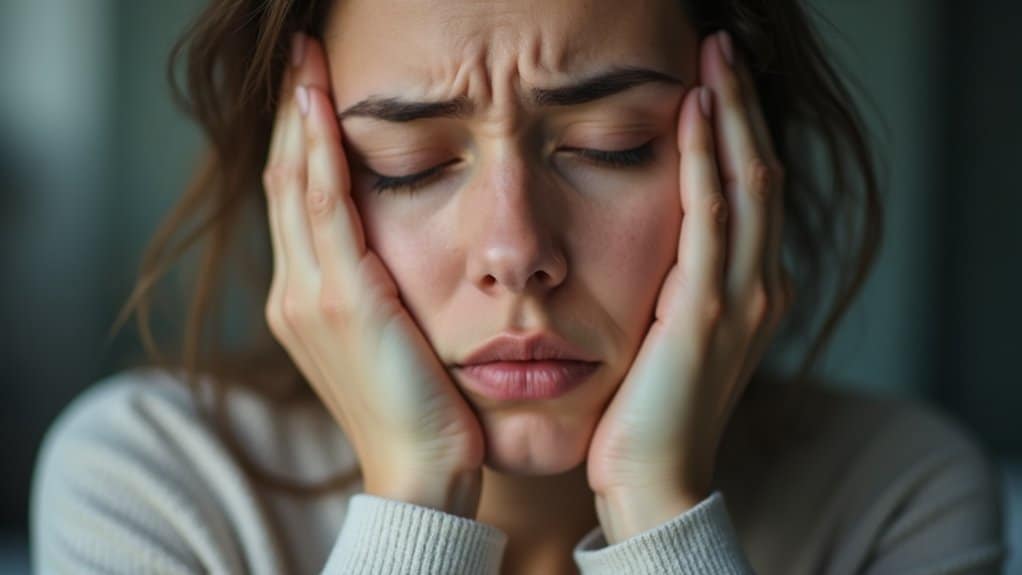
While anyone can experience depression-related headaches, some groups may face higher risk. People with more severe headache disability, poor sleep quality, high stress levels, and co-occurring anxiety may be more vulnerable. Individuals with chronic migraines or recurring tension headaches may also be at increased risk of developing depressive symptoms over time.
Can Chronic Headaches Make Depression Worse Too?
Yes. The relationship between headaches and depression is not one-way. Repeated headaches can interfere with work, relationships, sleep, and quality of life, which may increase frustration, hopelessness, and emotional distress. Over time, this can deepen depression and make recovery more complicated if the pain and mood symptoms are treated separately.
How Sleep and Stress Make Both Conditions Worse
Poor sleep and chronic stress can intensify the headache-depression cycle. Sleep deprivation reduces the brain’s ability to regulate pain effectively, while stress increases muscle tension and emotional strain. Together, they can make headaches more frequent, lower resilience, worsen mood symptoms, and reduce a person’s ability to cope.
- Sleep loss: Can increase pain sensitivity and worsen mood regulation.
- Stress: Can tighten muscles in the neck, scalp, and shoulders while making the nervous system more reactive.
- Combined strain: Can increase fatigue, irritability, concentration problems, and headache-related disability.
When to See a Doctor
It is important to seek medical advice if headaches are becoming more frequent, more severe, or are happening alongside symptoms of depression that last more than two weeks. A doctor should also evaluate headaches that do not improve with usual treatment, that interfere with work or sleep, or that come with concerning symptoms such as confusion, sudden vision changes, numbness, slurred speech, or a very sudden and severe onset.
How Doctors Identify the Depression-Headache Connection
Doctors may look at both headache patterns and mental health symptoms to understand whether depression is playing a role. This can include discussing the timing of symptoms, the type of headache pain, sleep quality, stress levels, daily functioning, and any anxiety or depressive symptoms. Screening tools and a full clinical evaluation can help determine the best treatment plan.
Treatments That Can Help With Both Headaches and Depression
When both conditions are present, treatment often works best when it addresses both at the same time. Depending on the situation, this may include medication, psychotherapy, sleep support, stress reduction, hydration, exercise, headache-specific treatment, and lifestyle adjustments. A coordinated approach can improve pain, mood, and overall functioning more effectively than trying to treat only one side of the problem.
The Importance of Support
For people to have success in seeking these treatments, it’s essential to have the support of friends and family. First, they can observe your condition, or conditions, and know if they’re getting better or worse. Through their observations, you’ll know what you need to discuss with your doctor and therapist. Also, when things seem bleak and hopeless, them being there might be a comfort for you. Lastly, if your depression gets to the breaking point, then they will be there to notice and to make sure that you get the immediate help you need. Such support could save your life. There are various bipolar disorder treatment options available that can significantly improve quality of life. Exploring medications, therapies, and lifestyle changes can provide a holistic approach to managing symptoms. It’s crucial to work closely with healthcare professionals to determine the most effective combinations for your personal situation.
The National Depression Hotline
When you’re close to rock bottom, and you, for whatever reason, don’t feel that you can get the support you need from family or friends, you will need somewhere to turn for guidance. The National Depression Hotline can help. The National Depression Hotline is a free service to which you can reach out at any time should you feel the need. Also, your friends and family can call on your behalf if you’re not able to do so.
The National Depression Hotline will be able to direct you to a specialist who handles mental-health crises. That person will help you identify possible triggers and recommend courses of action to get help. In a dire emergency, that person will summon help to come to you and stay on the phone with you.
The website for the National Depression Hotline has information about self-help strategies, state-by-state resources of which you can avail yourself, and information about comorbid depression and addiction if that applies to you. Never hesitate to call for any reason. You deserve the help you need, and you can take the first necessary steps to get it by calling us at (866) 629-4564.
Frequently Asked Questions
Can Antidepressants Alone Eliminate Headaches Caused by Depression?
Not always. Antidepressants may help some people, especially when depression is a major driver of the pain, but many people benefit most from a combined treatment plan that also addresses headache patterns, sleep, stress, hydration, and other contributing factors.
Do Depression-Related Headaches Feel Different From Migraine or Tension Headaches?
They can. Some depression-related headaches feel like tension headaches with dull pressure and muscle tightness, while others resemble migraines with stronger, more disruptive pain. The overlap can make it important to have symptoms evaluated rather than assuming all headaches come from the same cause.
Can Children Experience Headaches as a Symptom of Depression?
Yes. Children and adolescents can experience headaches alongside depression, especially when emotional distress, sleep problems, anxiety, or school-related stress are also present. Recurrent headaches in young people should be taken seriously and evaluated in context.
Will Treating Depression Completely Stop Recurring Headaches Over Time?
Treating depression may reduce headache frequency or severity, but it does not guarantee headaches will stop completely. Many people do best with integrated care that addresses both pain and mood symptoms at the same time.
Are Depression Headaches Linked to Increased Risk of Stroke?
Recurring headaches alone do not automatically mean stroke risk, but depression itself has been linked to broader health risks, including cardiovascular problems. Any sudden, severe, or unusual headache should be evaluated right away, especially if it occurs with neurological symptoms.