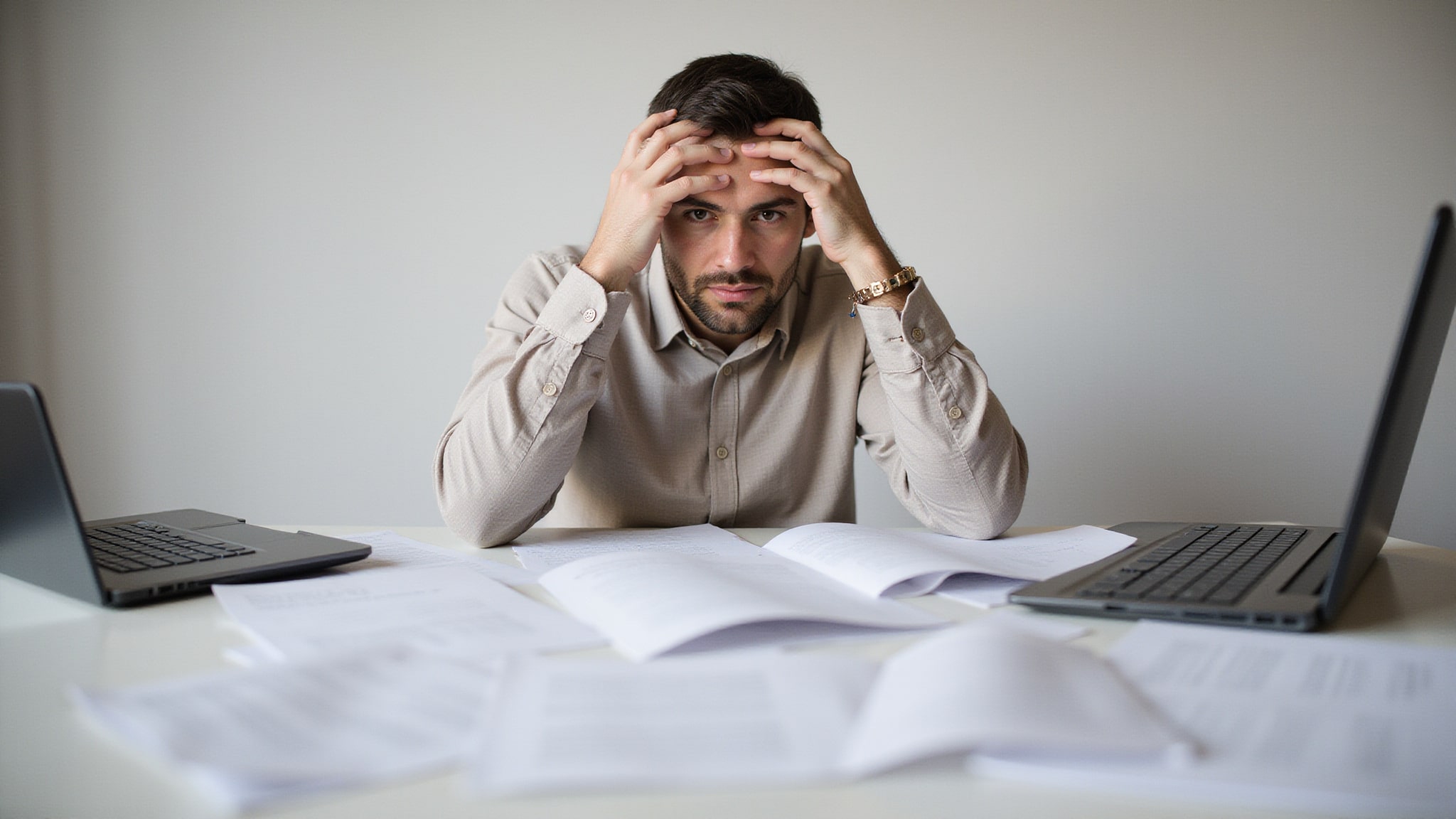
When clocks fall back, your circadian rhythm doesn’t reset as fast as the daylight shifts, and that misalignment can trigger or worsen depression. You lose evening light that regulates serotonin and melatonin, so your sleep fragments and fatigue climbs. Danish registry data show an 11% rise in depression after the autumn switch, dissipating over roughly 10 weeks. It doesn’t cause depression alone; it acts on existing risk. Understanding the mechanisms helps you respond effectively. Why mood dips at certain hours can also be influenced by factors like stress and lifestyle choices.
Key Takeaways
- Daylight saving time doesn’t cause depression alone; it triggers or worsens symptoms in people with existing risk factors.
- The autumn transition raised unipolar depression incidence by 11% in Danish registry data, dissipating over roughly 10 weeks.
- Circadian rhythm disruption misaligns sleep-wake timing with light and social schedules, degrading mood and increasing fatigue.
- Earlier evening darkness reduces light exposure, disrupting serotonin and melatonin release and heightening seasonal affective disorder risk.
- Fragmented, mistimed sleep intensifies emotional reactivity and irritability, hitting vulnerable individuals hardest during darker weeks.
Does Daylight Savings Time Cause Depression

Daylight saving time does not cause depression on its own, but it makes existing depression worse. The evidence points toward the latter. You’re not seeing DST act as a sole cause; instead, it functions as a trigger that adds strain on top of existing risk factors. A Danish registry study of 185,419 hospital contacts found an 11% increase in unipolar depression incidence after the fall transition, dissipating over roughly 10 weeks. No comparable rise followed the spring switch. How depression distorts time perception is a crucial factor in understanding how seasonal changes can exacerbate mood disorders.
The mechanisms are physiological. Circadian rhythm disruption misaligns your sleep-wake timing with light exposure and social schedules. Sleep disruption fragments your rest, worsening mood instability and fatigue. Reduced evening light heightens seasonal affective disorder risk during darker weeks. If you’re already vulnerable, these overlapping stressors intensify symptoms measurably.
How Does the Time Change Affect Your Mood
The time change affects your mood because the clock change desynchronizes your internal circadian rhythm from your external light-dark cycle. When you turn the clocks back in autumn, evening darkness arrives earlier, cutting the light exposure your brain uses to regulate serotonin and time melatonin release. This misalignment triggers sleep disruption, since your sleep-wake timing no longer matches your light exposure and social schedule. Fragmented, mistimed sleep exacerbates fatigue, irritability, and emotional reactivity, all of which strain mood regulation. Reduced sunlight during the darker weeks also heightens your risk for seasonal affective disorder, a light-dependent form of depression. If you’re already vulnerable, these overlapping mechanisms compound quickly, worsening depressive symptoms. The effect isn’t uniform, but circadian disruption reliably degrades your mood during this transition period.
What Is the Link Between Daylight Savings and Seasonal Depression
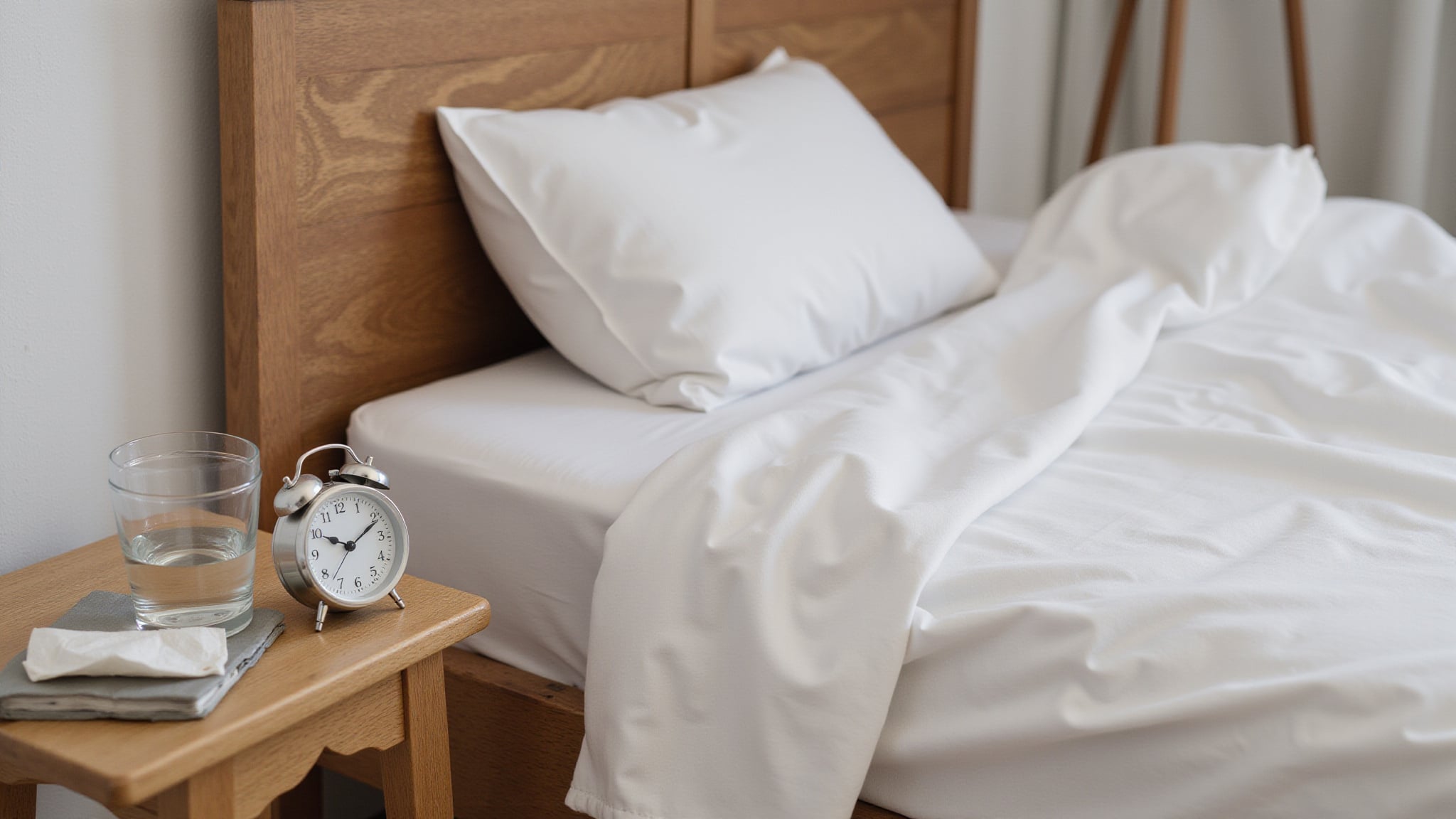
The link between daylight saving time and seasonal depression is reduced light exposure. Turning the clocks back in autumn causes you to lose evening daylight, and that reduced light exposure directly links daylight saving time to seasonal affective disorder. Your circadian rhythm depends on consistent light-dark signals to regulate serotonin and melatonin. When darkness arrives earlier, your light exposure drops, lowering serotonin activity and shifting melatonin timing. This misalignment disrupts sleep and destabilizes mood in susceptible people.
| Factor | Autumn Change | Mood Impact |
|---|---|---|
| Light exposure | Reduced evening light | Lower serotonin |
| Melatonin | Earlier onset | Sleep disruption |
| Circadian rhythm | Misaligned | Instability |
| Sleep | Fragmented timing | Fatigue, sadness |
| SAD risk | Elevated | Depressive episodes |
A Danish registry study found an 11% rise in depression incidence after this transition, dissipating over roughly 10 weeks.
Why Does Losing Light Trigger Depressive Symptoms
Losing light triggers depressive symptoms because your brain relies on daily light exposure to regulate the neurochemistry behind mood. When daylight saving time ends, evening darkness arrives earlier, cutting your total light exposure. That reduction lowers serotonin activity, the neurotransmitter tied directly to mood stability. At the same time, shifting light-dark timing disrupts melatonin release, which governs your sleep-wake cycle. When melatonin timing misaligns with your social schedule, your circadian rhythm falls out of sync, and mood regulation suffers.
This mechanism explains why seasonal depression, or SAD, worsens during the darker weeks after the fall transition. If you’re already vulnerable, reduced light adds neurochemical strain on top of existing risk. Your serotonin drops, your clock shifts, and your depressive symptoms intensify.
Who Is Most at Risk During the Time Change

People with existing mental health conditions face the greatest risk during the time change. If you already live with depression, bipolar disorder, anxiety, PTSD, ADHD, or a psychotic disorder, reviews show you’re more likely to experience symptom worsening in the days and weeks after a transition. Your circadian system is already fragile, so misaligned sleep-wake timing and reduced light add measurable strain on top of existing risk. Seasonal affective disorder marks a specific vulnerability during the darker weeks following the fall switch. The evidence supports a trigger-or-worsening model: the time change rarely causes depression outright, but it destabilizes an already-taxed system. If you’re susceptible, expect heightened emotional reactivity, fatigue, and sleep disruption clustered around the transition period.
How Do You Ease the Effects of the Time Shift
Ease the effects of the time shift by targeting your circadian system, sleep, and light exposure, the same mechanisms that trace DST to worse mood. Prioritize morning light. Because reduced evening daylight lowers serotonin activity and shifts melatonin timing, you counter it by getting bright light early. Step outside within an hour of waking, or use a light box if mornings stay dark. This anchors your circadian rhythm and realigns sleep-wake timing with your schedule. The mental toll of too much screen time can intensify feelings of anxiety and restlessness. Limiting screen exposure, especially in the evening, can help improve your overall sleep quality and mood.
Protect sleep. Keep consistent bed and wake times across the transition, since fragmentation mediates much of the mood risk. Dim evening light to support melatonin release.
If you’re already vulnerable, managing depression, bipolar disorder, or SAD, watch the darker weeks closely, track symptoms, and contact your clinician early if they intensify.
When Should You Seek Help for Seasonal Depression
Seek help for seasonal depression when self-management isn’t enough. When circadian misalignment and reduced light exposure persist despite behavioral adjustments, your symptoms may exceed what light therapy or sleep hygiene can correct. The Danish registry data show elevated depression incidence lasting roughly 10 weeks after the fall transition, so monitor whether your mood tracks that window or extends beyond it. Seek professional evaluation if you notice:
- Persistent low mood or anhedonia lasting more than two weeks
- Sleep-wake disruption that won’t stabilize despite consistent light timing
- Worsening fatigue, irritability, or impaired concentration affecting daily function
- Any suicidal ideation or acute crisis
If you have preexisting depression, bipolar disorder, or SAD, don’t wait. Early clinical intervention interrupts the trigger-or-worsening trajectory before symptoms escalate.
Conclusion
For some people, the shift in and out of daylight saving time does more than disrupt a schedule. Losing or gaining an hour throws off the body’s internal clock, sleep, and light exposure, which can deepen low mood, especially as the days grow darker. Easing into the change gradually, getting morning light, and keeping steady sleep and routine can soften the impact. If the time change seems to tip you into a heavier low, you do not have to push through it alone. National Depression Hotline can connect you with licensed counselors who help you steady your mood through the seasons.
Call Now and Take Back Your Life
Whether your depression follows daily patterns or shows up in unexpected ways, professional support brings clarity and calm. Through National Depression Hotline serving Plymouth County, we connect you with licensed mental health counselors who provide the right Depression Treatment program built around your story. Call +1 (866) 629-4564 today and begin a healthier chapter in your life.
Frequently Asked Questions
Does Permanently Ending Daylight Saving Time Improve Mental Health Outcomes?
Many sleep and health experts argue that a permanent standard time would be better for mental health, because it aligns our clocks more closely with natural daylight and supports steadier sleep. The twice-yearly switch itself is linked to short-term rises in mood problems, accidents, and disrupted sleep. Studies on the long-term effects of ending the change are still developing, so there is no final verdict yet. What is clear is that stable sleep and morning light are good for mood, however the calendar is set.
How Long Before the Time Change Should I Prepare?
Start shifting your schedule about a week before the transition. You’ll want to move your sleep-wake timing gradually, roughly 15 minutes every day or two, to align your circadian rhythm with the new clock. Prioritize morning light exposure right after waking, since that’s your strongest zeitgeber for phase-shifting. If you’re vulnerable to depression or SAD, begin earlier and reinforce consistent light-dark timing to minimize circadian misalignment and sleep disruption.
Are Light Therapy Lamps Effective for Daylight Saving-Related Mood Dips?
Yes, light therapy lamps can help, especially since the fall transition reduces evening light and shifts your circadian timing. You’re targeting the same mechanism SAD treatment relies on, bright morning light suppresses melatonin, boosts serotonin activity, and re-anchors your internal clock. Use a 10,000-lux lamp for about 20-30 minutes shortly after waking. It’s most effective when you’re already vulnerable to depression or noticing darker-weeks mood dips.
Do Children and Teenagers Experience Time Change Effects Differently Than Adults?
Yes, you’ll likely see different responses in children and teens because their circadian systems aren’t identical to adults’. Adolescents run a naturally delayed circadian phase, so shifting clocks can worsen sleep-wake misalignment with school schedules, amplifying fatigue, reduced attention, and working memory deficits. While the registry evidence I’ve cited focuses on adults, reviews flag heightened emotional reactivity and depressive symptoms around transitions, effects that circadian disruption and sleep loss can intensify in developing brains.
Can Diet or Exercise Offset the Mood Impact of Time Changes?
You can’t fully offset it, but you can buffer the circadian strain. Since reduced light and misaligned sleep-wake timing drive the mood risk, prioritize morning outdoor light and consistent exercise timing, both help entrain your circadian rhythm and support serotonin activity. Regular meal timing reinforces peripheral clocks too. These won’t erase vulnerability, especially if you’re prone to SAD or depression, but they’ll strengthen circadian alignment and blunt the transition’s short-term impact.