Your screen time quietly causes depression and anxiety through several linked pathways. When you overuse screens, you displace sleep, shortening its duration and destabilizing its quality, both tied to elevated symptoms. You also reduce physical activity and weaken peer and caregiver support. Heavy social media use associates with diminished self-control and emotional instability. These findings are largely cross-sectional, so causality isn’t firmly established. Understanding the specific mechanisms can help you protect your mental health. Why losing an hour hits mental health can stem from the disruptions in sleep patterns, further exacerbating feelings of anxiety and stress.
Key Takeaways
- Excessive screen time displaces sleep, shortening duration and delaying bedtimes, which mediates increased depression and anxiety symptoms.
- Sedentary, screen-heavy routines reduce physical activity, adding a parallel pathway to depressive and anxious mental-health burdens.
- Heavy use, especially social media, weakens peer and caregiver support while lowering self-control and emotional stability.
- Screen use beyond 4 hours daily is linked to higher anxiety (aOR 1.45) and depression (aOR 1.61).
- Most evidence is cross-sectional and observational, so causation remains uncertain despite consistent associations.
How Does Screen Time Cause Depression and Anxiety

Screen time translates into depression and anxiety through several plausible pathways, though the mechanisms aren’t fully established. When you spend excessive time on screens, you’re likely displacing sleep. Studies suggest sleep duration mediates the link between screen time and both depression and anxiety symptoms, with shorter sleep and irregular bedtimes correlating with worse outcomes. Physical activity appears to function as a parallel mediator. More sedentary, screen-heavy routines reduce movement, which may compound the mental-health burden. There’s also a social-emotional dimension: heavy screen use has been associated with weaker peer and caregiver support, lower self-control, and reduced psychological well-being. These associations are strongest cross-sectionally and weaker longitudinally, so causality remains cautiously interpreted.
How Does Screen Time Affect the Brain and Mood
Screen time affects the brain and mood by disrupting the systems that regulate it. When you spend hours on screens, you shorten and destabilize sleep, and poorer sleep quality has been associated with elevated anxiety and depression risk. Sleep duration and irregular bedtimes act as mediators linking screen time to worse mental health outcomes. Reduced physical activity likely compounds this burden, functioning as a parallel pathway toward depressive and anxiety symptoms. Social media use adds another layer, correlating with weaker self-control, emotional instability, and lower psychological well-being. Some evidence suggests moderate patterns may not carry the same risk, so effects aren’t uniform. The available data remain largely observational, so you should interpret these brain-and-mood associations cautiously rather than as established causation.
Which Types of Screen Use Are Most Harmful
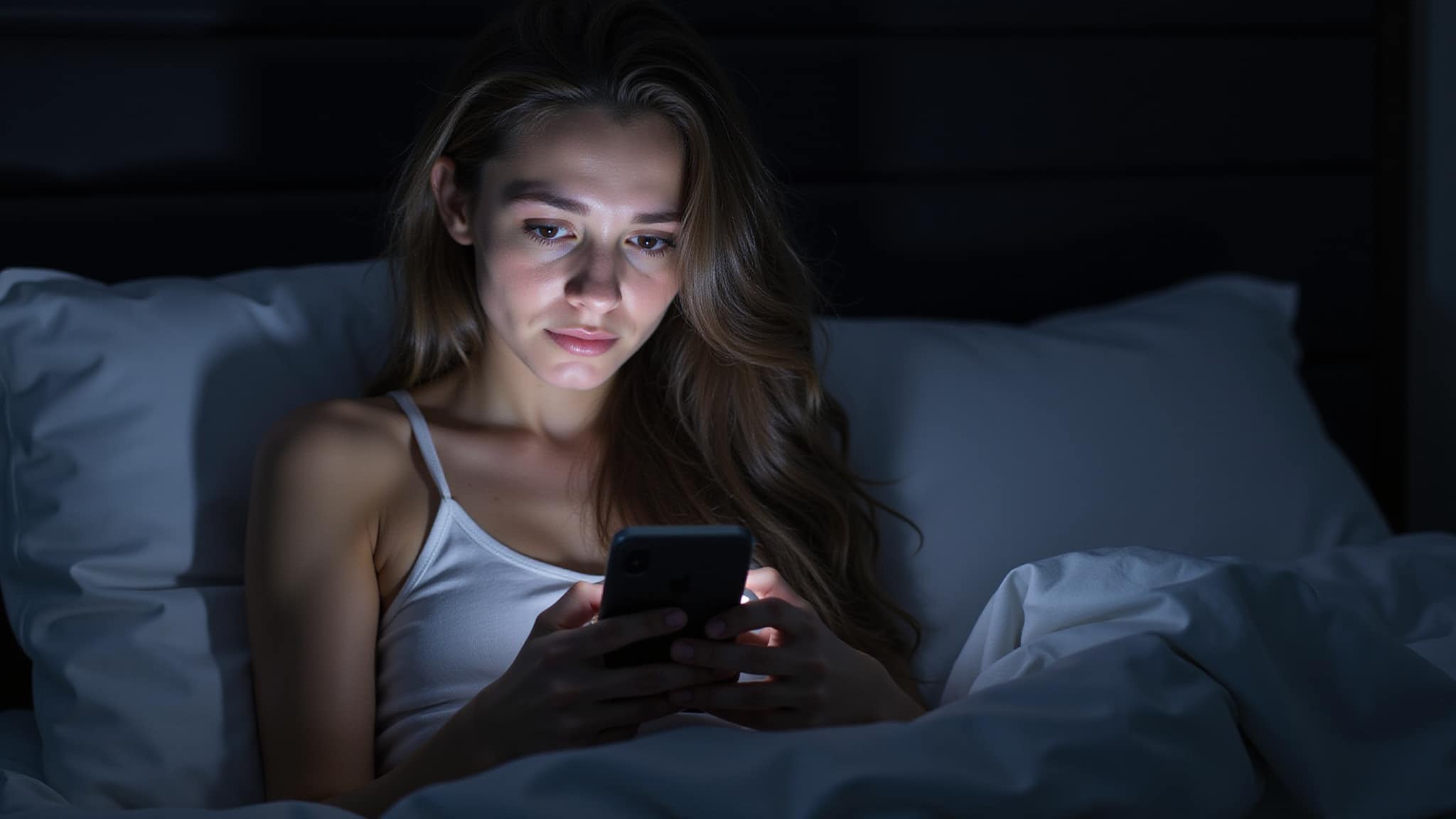
Social media-heavy use carries the most risk among screen activities. Evidence links it with higher depression in adolescent groups, though some moderate-use patterns showed lower anxiety in one study. Not all screen time affects you equally, so consider the pattern and context of your use.
| Screen Use Type | Observed Association |
|---|---|
| Social media-heavy use | Higher depression in adolescents |
| Moderate, balanced use | Lower anxiety in one study |
| Non-schoolwork screen use | Bedtime irregularity, infrequent activity |
| 4+ hours daily | Higher anxiety (aOR 1.45), depression (aOR 1.61) |
| 6+ hours daily | Further anxiety increase (PR 1.50) |
These correlations don’t confirm causation, but heavy, sedentary, and sleep-displacing use appears most concerning for your mental health. Losing track of time while depressed can lead to further isolation and detachment from reality. This often exacerbates feelings of sadness and anxiety, creating a cycle that can be difficult to escape.
How Does Social Media Drive Anxiety and Depression
Social media drives anxiety and depression through several interconnected pathways, and research has associated social media-heavy use with higher depression in adolescent groups, though some moderate use patterns showed lower anxiety in one study. The mechanisms likely operate through:
- Displaced sleep, as late-night scrolling shortens your sleep duration and disrupts regular bedtimes
- Reduced physical activity, replacing movement with sedentary screen engagement
- Weakened social support, with heavy users reporting insufficient peer and emotional connection
- Lower psychological well-being, including diminished self-control and emotional stability
- A reinforcing cycle, where socioemotional problems drive more screen engagement
These correlational findings suggest caution, but causal direction remains uncertain across studies.
How Does Screen Time Disrupt Sleep and Worsen Symptoms

Screen time disrupts sleep by shortening sleep duration and pushing bedtimes later, which in turn worsens depression and anxiety symptoms. When you spend more time on screens, you’re more likely to get shorter sleep and keep irregular bedtimes, both tied to worse mental-health outcomes. A 2025 adolescent study reported sleep duration mediated the link between screen time and depression and anxiety symptoms, and a 2026 U.S. analysis found prolonged screen time related to poorer mental health through shorter sleep and less regular bedtimes. A childhood-to-adolescence study similarly linked more daily screen time with shorter sleep and more depressive symptoms later. If your screen-heavy routine disrupts your sleep, you may face heightened anxiety and depression risk, though these associations don’t fully establish causation and likely vary by age and design.
How Much Screen Time Is Too Much
Screen use becomes a mental-health concern at roughly four hours daily, an inflection point where risk appears to scale with duration: When depression peaks during the day, it can lead to increased feelings of anxiety and isolation. This can further exacerbate the negative impacts of excessive screen time on mental health.
- At 4+ hours/day, adjusted odds rise for anxiety (aOR 1.45) and depression (aOR 1.61).
- At 4 to 6 hours/day, anxiety symptoms increase (PR 1.23) alongside stress (PR 1.25).
- At 6+ hours/day, anxiety climbs further (PR 1.50), with stress rising too.
- At 7+ hours/day in 14- to 17-year-olds, you’ll find more than double the likelihood of a depression or anxiety diagnosis.
- Even in preteens aged 9 to 10, greater screen time predicts more severe later symptoms.
These associations are strongest cross-sectionally, so you shouldn’t interpret any single cutoff as definitively causal.
How Do You Build Healthier Screen Habits
Build healthier screen habits by starting with sleep, since it appears to mediate much of screen time’s link with depression and anxiety. Protect sleep duration by setting a consistent bedtime and reducing screen use before sleep, because irregular bedtimes track with worse outcomes. Target the thresholds evidence flags: symptoms rise notably at 4 to 6 hours and climb further beyond 6 hours daily, so trimming non-schoolwork use matters most. Add physical activity, another identified mediator, to offset sedentary time. Prioritize in-person social and emotional support, which teens with high screen use often report lacking. Keep expectations measured, longitudinal associations weaken over time, so causality isn’t settled. Still, these adjustments are low-risk, and they address the pathways studies most consistently implicate.
Conclusion
Screens are woven into daily life, but too much time on them can quietly feed both depression and anxiety. Endless scrolling, comparison, disrupted sleep, and less real-world connection all take a toll on how you feel, often without you noticing the pattern. Setting gentle limits, protecting your sleep, and making room for offline connection can help you take back some balance. If low mood or worry has grown heavier alongside your screen habits, deeper support can help. National Depression Hotline can connect you with licensed counselors who help you find relief and a healthier rhythm.
Call Today and Take Control of Your Wellbeing
Whether it’s screen time, nicotine, or another daily habit affecting your mood, professional guidance helps you find lasting balance. Through National Depression Hotline serving New London County, we connect you with licensed mental health counselors who provide the right Depression Treatment program tailored to your situation. Call +1 (866) 629-4564 today and begin a healthier chapter in your life.
Frequently Asked Questions
Can Reducing Screen Time Reverse Existing Depression or Anxiety Symptoms?
You can’t count on reducing screen time to fully reverse existing depression or anxiety, since current evidence is largely cross-sectional and longitudinal associations weaken over time. That said, cutting excessive use may ease symptoms indirectly by improving sleep duration, bedtime regularity, and physical activity, known mediators of mental health. Think of it as one supportive step, not a standalone treatment. If symptoms persist, you’ll want a proper clinical evaluation.
Are Certain Children Genetically More Vulnerable to Screen-Related Mental Health Effects?
Very likely, yes. Just as children differ in temperament and sensitivity, genetics appear to play a role in how strongly screen time affects mood, sleep, and attention. Some children are naturally more prone to anxiety, depression, or impulsivity, and heavy screen use may affect them more, though environment, sleep, and family habits matter just as much. Because sensitivity varies from child to child, it helps to watch how your own child responds and set limits based on what you see. If screen use seems to be affecting your child’s mental health, a professional can help you sort out the causes.
Do Parental Screen Habits Influence a Child’s Mental Health Outcomes?
Yes, quite a bit. Children learn by watching, so when parents model heavy screen use, it often normalizes screen-heavy routines tied to later bedtimes, shorter sleep, and less physical activity, all of which can raise the risk of depression and anxiety. Your screen habits also shape how much focused, face-to-face connection your child gets, which is vital for emotional health. Setting consistent limits, protecting sleep, and being present without a screen in hand all make a real difference. Small changes in your own habits can meaningfully support your child’s wellbeing.
Is Screen Time Linked to Mental Health Issues in Adults Over 25?
Yes. While much of the research focuses on children and young people, screen time can affect adults over 25 too. Heavy use, especially of social media and screens late at night, is linked to poorer sleep, less physical activity, more social comparison, and higher stress, all of which can feed depression and anxiety at any age. The effects vary from person to person, but adults are far from immune. Being mindful of how much time you spend on screens, and how it makes you feel, is worthwhile at every stage of life.
How Does Screen Time Affect Academic Performance Alongside Mental Health?
Screen time can influence both, and the two are closely connected. Heavy screen use is linked to poorer sleep, irregular bedtimes, and less physical activity, and that combination tends to undermine focus, memory, and daytime energy, which can drag down academic performance. The same disrupted sleep and low activity also raise the risk of depression and anxiety, so struggles at school and struggles with mood often go hand in hand. Balancing screen time with good sleep, movement, and steady study routines supports both a healthier mind and stronger academic results.