Yes, gabapentin can cause respiratory depression by acting as a CNS depressant that disrupts the neural pathways controlling your breathing. The FDA identified 49 cases of gabapentinoid-related breathing problems between 2012 and 2017, with 12 resulting in death. You’re at higher risk if you’re over 65, have COPD or sleep apnea, or take opioids alongside gabapentin. Understanding the warning signs and risk-reduction strategies can help you stay safer.
Why Gabapentin Can Slow Your Breathing

Gabapentin acts as a central nervous system depressant that directly affects the neural pathways controlling your breathing. When you take gabapentin, it reduces brain activity in regions responsible for maintaining consistent respiratory function. This slowed neural signaling causes your breathing to become shallow and irregular, decreasing your respiratory rate until inadequate oxygen enters your bloodstream while carbon dioxide accumulates. The FDA has responded to these concerns by mandating new labeling requirements to ensure patients are informed of the respiratory risks associated with gabapentin use.
The CNS depressant breathing effects extend beyond waking hours. Gabapentin increases pauses in your breathing during sleep, disrupting normal respiratory cycles and compromising arterial oxygen levels. Gabapentin respiratory depression risk compounds when these sleep-related disruptions overlap with daytime suppression. Your tissues receive insufficient oxygen, creating a cascading effect that can escalate without warning, particularly if you have pre-existing respiratory conditions. is gabapentin a central nervous depressant and can contribute to heightened risks for patients with prior respiratory issues. As the drug alters the central nervous system’s function, patients may become increasingly unaware of their deteriorating oxygen levels. This makes it crucial for healthcare providers to monitor respiratory health closely when prescribing gabapentin to mitigate potential complications.
Who’s Most at Risk for Gabapentin Respiratory Depression?
Not everyone faces the same level of danger from gabapentin’s effects on breathing. Your gabapentin respiratory depression risk increases considerably if you fall into specific clinical categories. The FDA identifies age 65 and older as a major risk factor, elderly individuals show the greatest vulnerability due to decreased respiratory reserve and heightened sensitivity to CNS depressants.
You’re also at heightened risk if you have COPD, obstructive sleep apnea, or other pre-existing pulmonary conditions. Impaired renal function directly affects gabapentin clearance, allowing the drug to accumulate to dangerous levels. Cardiac disease history further compounds your risk profile. Among cases reviewed by the FDA between 2012 and 2017, 92% of cases presented with at least one respiratory risk factor, underscoring how strongly pre-existing vulnerabilities contribute to dangerous outcomes.
If you’ve undergone surgery within the past 24 hours or take concurrent opioids, benzodiazepines, or other CNS depressants, your breathing requires close monitoring.
Gabapentin Breathing Problems: Symptoms to Watch For
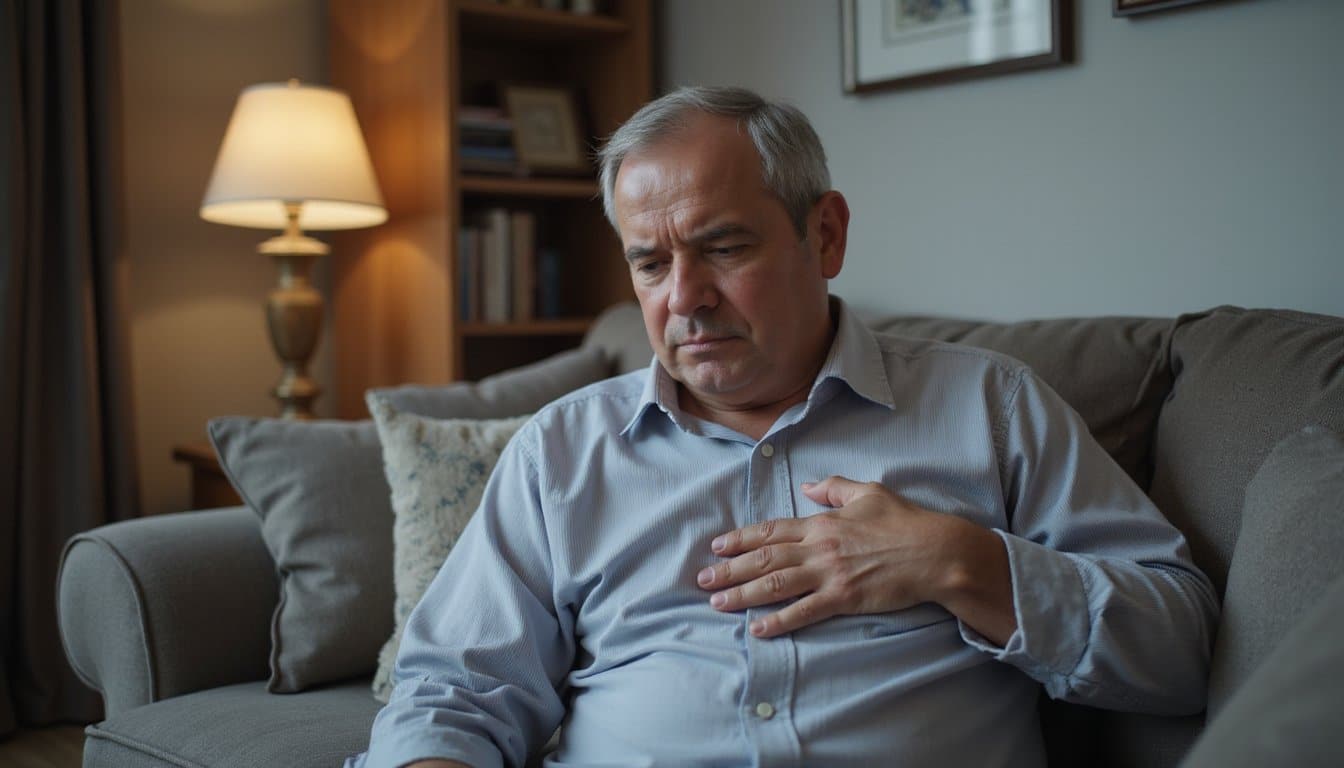
Because gabapentin’s impact on breathing can escalate quickly, especially when combined with opioids or other CNS depressants, recognizing early warning signs of respiratory depression is critical.
| Symptom Category | What to Watch For |
|---|---|
| Early Respiratory Signs | Slowed, shallow breathing; wheezing; shortness of breath |
| Neurological Warnings | Confusion, extreme drowsiness, mental fog, dizziness |
| Oxygen Deprivation | Bluish lips, pale fingernails, cyanotic extremities |
| Consciousness Changes | Unresponsiveness, inability to wake, decreased alertness |
| Cardiovascular Indicators | Rapid or irregular heartbeat, generalized weakness |
If you’re taking gabapentin and notice shallow breathing alongside confusion or skin discoloration, seek emergency care immediately. Respiratory depression can progress from subtle drowsiness to life-threatening oxygen deprivation rapidly. Multiple simultaneous symptoms, particularly bluish skin with altered consciousness, signal acute distress requiring immediate intervention. In some cases, gabapentin may also cause seeing things that are not there, which can further complicate the clinical picture and delay recognition of respiratory decline.
What 49 FDA Cases Reveal About the Danger
Beyond recognizing symptoms at the bedside, understanding the broader pattern of harm strengthens the case for vigilance. Between 2012 and 2017, the FDA identified 49 cases of gabapentinoid-related respiratory depression, resulting in 12 deaths, a 24% mortality rate. Every fatality involved either underlying respiratory impairment or concurrent CNS depressant use.
Among reported cases, 92% of patients had respiratory risk factors or were taking additional sedating medications. The opioid gabapentin interaction risk proved particularly dangerous, with opioids representing the primary co-prescribed depressant. Gabapentin side effects lungs are compounded when you’re over 65 or have conditions like COPD.
These findings prompted the FDA’s 2019 safety alert and mandatory label changes. If you’re prescribed gabapentin alongside other depressants, this data underscores why respiratory monitoring isn’t optional.
How to Lower Your Gabapentin Respiratory Depression Risk

While the FDA’s 49-case analysis confirms that gabapentin-related respiratory depression is preventable in most situations, reducing your risk starts with how the medication is dosed from day one. Your prescriber should initiate gabapentin at low doses and titrate slowly to the minimal effective level. Studies show doses reaching 3,600 mg/day produced 44% respiratory depression/sedation rates, making dose management critical. While the FDA’s 49-case analysis confirms that gabapentin-related respiratory depression is preventable in most situations, reducing your risk starts with how the medication is dosed from day one, and when to take gabapentin for anxiety can also influence both effectiveness and safety. Your prescriber should initiate gabapentin at low doses and titrate slowly to the minimal effective level. Studies show doses reaching 3,600 mg/day produced 44% respiratory depression/sedation rates, making dose management critical.
Understanding does gabapentin cause respiratory depression requires evaluating your personal risk factors. If you’re over 65, have COPD, renal impairment, or take opioids concurrently, your vulnerability increases considerably. The safety profile gabapentin breathing data supports baseline renal function testing and periodic monitoring throughout treatment. Report slow breathing, confusion, or cyanosis immediately. Avoid combining gabapentin with CNS depressants unless your provider explicitly weighs the risks. When considering gabapentin vs trazodone for anxiety, it’s essential to discuss potential interactions and side effects with your healthcare provider. Trazodone, while often used as an antidepressant, can also cause sedation, making it important to evaluate how it may enhance the effects of other medications you may be taking. Both options should be considered carefully, particularly in the context of your individual health needs and risks.
You Deserve Help and We Are Here for You
Finding clarity around your mental health and the best path forward can be challenging, but you do not have to figure it out on your own. At National Depression Hotline, our trained professionals are available 24/7 who can guide you toward the right Depression Treatment support tailored to your needs. Relief is closer than you think. Call +1 (866) 629-4564 today and take the first step toward feeling like yourself again.
Frequently Asked Questions
Can Gabapentin Cause Respiratory Depression Without Any Other Medications Involved?
Yes, gabapentin can cause respiratory depression on its own, though it’s rare. Health Canada and European regulators have confirmed cases where patients developed breathing problems without taking any other medications. The FDA’s adverse event review found 8% of reported cases lacked concurrent CNS depressants or respiratory risk factors. You’re at higher risk if you’re elderly, have COPD, or have renal impairment. Watch for slow, shallow breathing and seek immediate medical attention if symptoms develop.
How Quickly Does Gabapentin-Related Respiratory Depression Typically Develop After Dosing?
Current research doesn’t provide a definitive timeline for when gabapentin-related respiratory depression develops after dosing. You should know that gabapentin reaches peak blood levels within two to three hours, so you’d most likely notice breathing changes during that window. However, researchers haven’t established a precise onset pattern specifically for respiratory depression. You’ll want to monitor your breathing closely in the hours following each dose, especially if you’re taking other CNS depressants.
Is Gabapentin Respiratory Depression Risk Higher With Immediate or Extended-Release Formulations?
Current evidence doesn’t clearly establish whether immediate-release or extended-release gabapentin carries a higher respiratory depression risk. Researchers haven’t directly compared formulations for this specific outcome. However, you should consider that immediate-release versions produce higher peak blood levels, which could theoretically pose greater momentary respiratory risk. Extended-release formulations deliver medication more gradually, potentially reducing peak-related breathing suppression. Regardless of formulation, you’ll face the greatest risk when combining gabapentin with opioids or other CNS depressants.
Does Gabapentin-Related Respiratory Depression Worsen During Sleep or at Night?
Current evidence doesn’t specifically address whether gabapentin-related respiratory depression worsens during sleep or at night. However, you should know that sleep naturally reduces your respiratory drive, which could theoretically compound gabapentin’s depressant effects. If you’re combining gabapentin with opioids or benzodiazepines, you’ll face heightened vulnerability during sleep. You should watch for morning confusion, excessive drowsiness, or reports of breathing pauses, and discuss nocturnal monitoring with your prescriber.
Can Respiratory Depression From Gabapentin Be Reversed With Any Specific Antidote?
No specific antidote exists to reverse gabapentin-induced respiratory depression. Unlike opioid overdoses, where naloxone can quickly restore breathing, you won’t find a targeted reversal agent for gabapentin. If you’re experiencing severe symptoms, slow, shallow breathing, cyanosis, or unresponsiveness, you’ll need immediate emergency care. Treatment focuses on supportive interventions, including assisted ventilation and monitoring oxygen levels. You should seek emergency medical attention right away if breathing difficulties develop.