Topamax (topiramate) may help anxiety symptoms in some specific situations, but it can also worsen anxiety in certain people and is not an approved primary treatment for anxiety disorders. The medication affects brain signaling by enhancing GABA activity and reducing glutamate-related excitation, which may help calm overactive neural pathways in some conditions. However, research on topiramate for anxiety-related symptoms has shown mixed results, and most evidence does not support it as a first-line anxiety medication. Topamax can also cause side effects such as mood changes, irritability, restlessness, and cognitive problems that may increase distress for some users. Topamax can topamax cause depression in some patients, highlighting the importance of monitoring mental health while on this medication.
Topamax (topiramate) can both help and worsen your anxiety, depending on your individual response. While it enhances GABA activity and blocks excitatory glutamate, mechanisms that theoretically calm overactive neural circuits, research shows mixed outcomes, with only 13.2% of psychiatric patients responding positively. It is also important to understand the broader topamax side effects and risks, as anxiety itself is a documented adverse effect and as many as 51.3% of patients discontinue treatment due to side effects. Understanding the specific conditions in which Topamax shows benefit, alongside its risk profile, can help guide more informed and individualized treatment decisions.
What Is Topamax and Why Do Doctors Prescribe It for Anxiety?
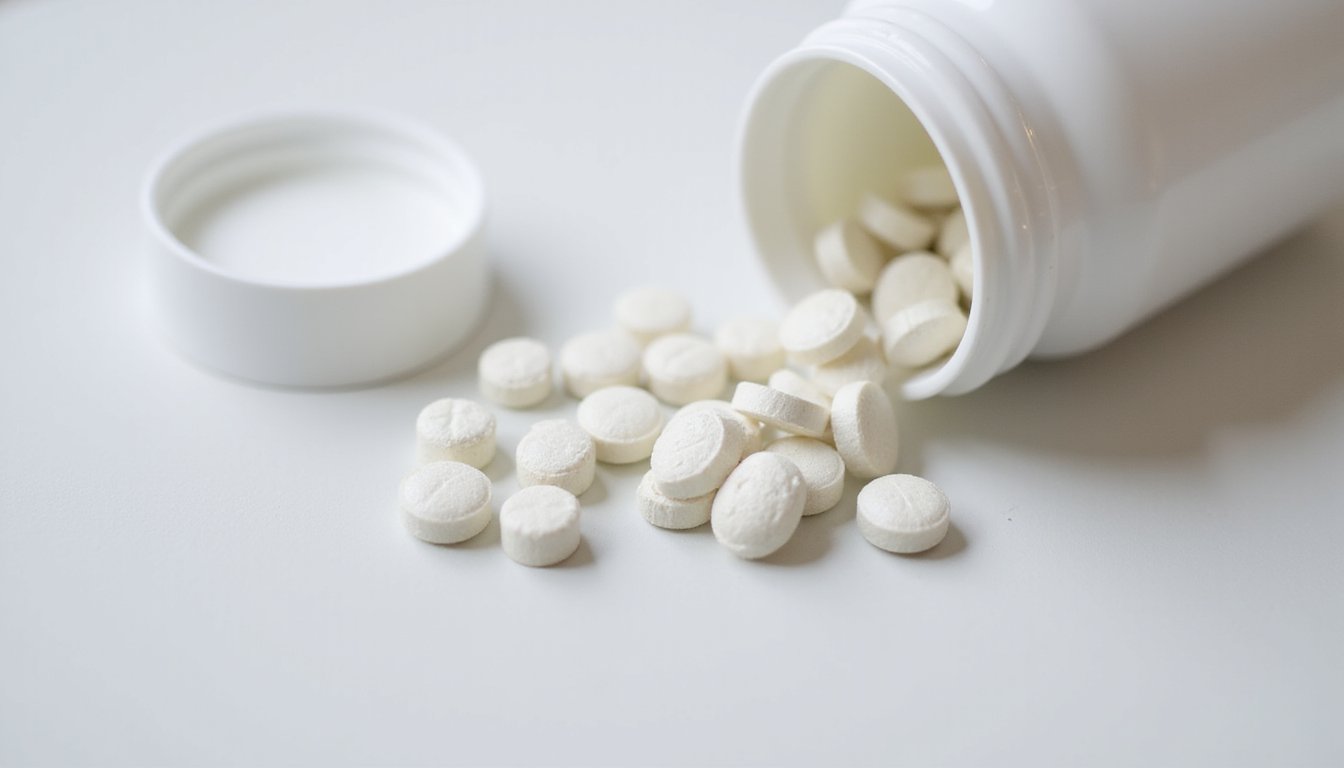
Topamax (topiramate) works through four distinct mechanisms that alter brain chemistry, which explains why doctors sometimes prescribe it off-label for anxiety despite its FDA approval being limited to epilepsy and migraine prevention. As with any medication, patients should be aware of the long term side effects of topamax, which may include cognitive issues or mood changes. Regular check-ins with healthcare providers are essential to monitor any potential adverse reactions.
The drug blocks voltage-dependent sodium channels, reducing excessive electrical activity in nerve cells. It enhances GABA-A receptor activity, increasing inhibitory neurotransmission, while simultaneously antagonizing glutamate receptors to decrease excitatory signaling. These combined effects calm overactive neural circuits. Topiramate also inhibits L-type calcium channels, further contributing to its ability to reduce neuronal excitability.
When considering topiramate for anxiety, you should understand that Topamax anxiety applications remain unofficial. The medication’s ability to optimize GABA and glutamate balance in subcortical circuits provides theoretical rationale for psychiatric use. However, individual neurochemistry varies considerably, meaning your response to treatment may differ from others experiencing anxiety-related symptoms. Topamax may also help regulate brain pathways involved in pain processing, including those linked to CGRP, which could potentially influence anxiety-related neural activity.
Why Topamax Isn’t a First-Choice Anxiety Medication
Although topiramate’s GABA-enhancing and glutamate-blocking mechanisms suggest theoretical benefits for anxiety, clinical evidence doesn’t support its use as a primary treatment option. Research shows limited efficacy, with small-scale studies failing to demonstrate significant improvements in conditions like PTSD. Can you get medical marijuana for depression? Recent studies have begun to explore its potential as an alternative treatment option. Patients are increasingly seeking out various methods to manage their symptoms, and medical marijuana has emerged as a controversial yet intriguing possibility.
Several factors explain why Topamax isn’t first-line therapy:
- High discontinuation rates, 51.3% of patients stop treatment due to adverse effects
- Does topiramate cause anxiety?, Yes, it can topamax cause anxiety as a documented side effect
- Established alternatives exist, SSRIs like sertraline and fluoxetine offer proven efficacy with better tolerability
- Insufficient clinical trials, Current studies involve small samples without robust, large-scale validation, such as one trial that enrolled only 72 outpatients to evaluate topiramate for PTSD
Given these limitations, physicians typically reserve topiramate for augmentation therapy when first-line medications fail, not as initial treatment for anxiety disorders. Additionally, the exact mechanism of action of topiramate is not fully understood, making it difficult to predict individual patient responses.
How Topamax Affects Anxiety: The Brain Science Explained

Topiramate enhances GABA activity, increasing brain GABA levels by up to 72% within three hours of administration. This boost strengthens inhibitory signaling, calming overactive neural circuits. Simultaneously, the medication blocks glutamate’s excitatory effects by antagonizing AMPA and kainate receptors in your amygdala and hippocampus.
These combined actions disrupt fear memory consolidation and enhance extinction of conditioned fear responses. Research suggests topiramate’s antagonist effect on AMPA receptors may reduce emotional significance of fear memories, potentially explaining its anxiety-modulating properties. Topiramate also inhibits carbonic anhydrase, maintaining GABA’s inhibitory function by preventing chloride channel dysfunction. Additionally, voltage-dependent sodium and calcium channel blockade reduces excessive neuronal firing. This multi-target approach explains why anxiety responses vary, your individual neurochemistry determines which mechanism dominates. The drug also affects phosphorylation states of membrane proteins, adding another layer to its complex neurochemical influence.
What Research Shows About Topamax for Anxiety Disorders
Clinical research examining topiramate’s efficacy for anxiety disorders remains surprisingly limited despite the drug’s widespread off-label use. While topiramate modulates glutamate activity, a neurotransmitter implicated in mood disorders, human trials haven’t established clear anxiolytic benefits. Although one animal study demonstrated anxiolytic-like effects in rats, these findings have not translated to robust clinical evidence in humans.
Key research findings include:
- A 12-week PTSD study showed 39.5% symptom improvement with topiramate versus 29.5% with placebo, but results weren’t statistically significant (P=.31)
- Overall psychiatric response rates remain low at 13.2% across reviewed patients
- Responders typically required higher doses (180 mg/day) compared to non-responders (83.2 mg/day)
- Current clinical guidelines exclude topiramate as a primary or secondary treatment option for anxiety disorders
You should note that adverse effects, including new-onset panic attacks and cognitive problems, have been documented. Case reports have described topiramate-induced panic attacks potentially triggered by the drug’s carbonic anhydrase properties, which may elevate central CO2 levels in vulnerable individuals. No major treatment guidelines recommend topiramate for anxiety management.
Where Topamax May Help: PTSD, OCD, and Alcohol-Related Anxiety

While topiramate lacks approval for anxiety disorders, emerging evidence suggests it may benefit specific trauma-related and compulsive conditions where standard treatments fall short.
In PTSD research, a double-blind trial demonstrated that 82.35% of topiramate patients showed symptom improvement, with significant reductions in reexperiencing and avoidance clusters. The topiramate group achieved CAPS score reductions of -57.78 compared to -32.41 for placebo. Open-label studies found nightmares decreased 79% and flashbacks 86%. The medication was administered at a mean dose of 102.94 mg/day and was generally well tolerated throughout the 12-week study. In another 12-week study, the topiramate group showed a 39.5% reduction in PTSD symptoms compared to 29.5% for placebo, though differences were not statistically significant.
For alcohol-related anxiety, topiramate’s hyperarousal reduction addresses overlapping symptoms common in individuals with concurrent alcohol use disorders. The medication’s glutamate-modulating properties may explain these benefits.
You should note that most studies involve small sample sizes, and larger trials are needed to confirm efficacy. However, topiramate shows promise as adjunctive therapy when first-line treatments prove inadequate.
Can Topamax Make Anxiety Worse?
How does a medication that calms some individuals intensify anxiety in others? While some explore topamax for anxiety relief, clinical evidence confirms it can paradoxically worsen symptoms. Does topamax cause anxiety? Yes, mood changes including new or worsening anxiety appear in clinical trial data. Ibuprofen’s effects on anxiety relief have become a topic of interest for many individuals seeking alternative treatments.
Key risk factors to examine:
- Starting or adjusting your dose increases risk of mood disturbances, including anxiety and agitation
- Existing mental health conditions may become exacerbated during treatment
- Abrupt discontinuation triggers withdrawal anxiety, irritability, and insomnia
- Individual neurochemistry determines whether you’ll experience calming or activating effects
Contact your healthcare provider immediately if you notice panic attacks, restlessness, or emotional instability. The FDA emphasizes close monitoring, particularly if you have a history of depression or anxiety disorders. The good news is that mood changes like anxiety are considered less common side effects rather than typical responses to the medication. Additionally, some patients may experience cognitive side effects such as brain fog or difficulty finding words, which can compound feelings of anxiety and frustration during treatment.
Is Topamax Right for Your Anxiety? Who May Benefit
When might topiramate offer meaningful anxiety relief rather than worsening symptoms? Research suggests you’re more likely to benefit if you have co-occurring conditions like alcohol use disorder, treatment-resistant depression, or bipolar disorder. Studies show topiramate anxiety reduction occurs most effectively when combined with existing antidepressants or when addressing anxiety secondary to substance dependence. In patients with AUD specifically, topiramate reduces heavy drinking by 74% compared to placebo, which can significantly decrease alcohol-related anxiety.
Topamax for anxiety reviews indicate responders typically require higher doses, averaging 180 mg/day compared to 83.2 mg/day in non-responders. You may see improvement within 2, 6 weeks if you respond favorably.
Topamax for anxiety reviews indicate that responders typically require higher doses, averaging 180 mg/day compared to 83.2 mg/day in non-responders, and may see improvement within 2, 6 weeks if they respond favorably. Understanding dosage response alongside how long Topamax remains in system can help clinicians and patients better interpret treatment timelines, side effects, and tapering considerations.
You’re a stronger candidate if you tolerate gradual dose titration starting at 25, 50 mg/day. Those with generalized social phobia showed nearly 30% reduction in anxiety scores. However, if you’re prone to paresthesia, cognitive effects, or have PTSD, topiramate may prove less suitable given higher discontinuation rates. Research on topiramate for PTSD showed high attrition rates of 58.8% in the treatment group, suggesting tolerability challenges in this population.
What to Ask Your Doctor About Topamax for Anxiety
What specific questions should you bring to your appointment before starting topiramate for anxiety? Since topiramate and anxiety have a complex relationship, preparing targeted questions guarantees informed decision-making.
- What starting dose do you recommend? Adults typically begin at 25 mg nightly, titrating by 25-50 mg weekly toward 100-200 mg/day for anxiety symptoms.
- How will we monitor for cognitive side effects? Cognitive impairment and sedation commonly lead to discontinuation.
- Does topamax help with anxiety in my specific situation? Mixed evidence exists, particularly for PTSD, where guidelines neither support nor discourage use.
- What’s the discontinuation protocol if needed? Adults decrease by 50-100 mg weekly to minimize withdrawal effects.
Discuss any current medications, as dose adjustments prevent topiramate level fluctuations when converting from other treatments. You should also drink extra water while taking this medication to help prevent kidney stones during your treatment period.
Frequently Asked Questions
How Long Does It Take for Topamax to Start Affecting Anxiety Symptoms?
You’ll typically notice Topamax affecting your anxiety symptoms within two weeks of consistent use, though full therapeutic benefits may take several weeks to months. However, if you’re experiencing worsening anxiety, this can occur sooner, documented cases show new-onset panic attacks appearing approximately one week after reaching 50mg/day. Your individual response depends on dosage, underlying conditions, and personal neurochemistry. Contact your physician immediately if you develop new panic attacks or significant anxiety increases.
Can Topamax Be Safely Combined With Other Anxiety Medications Like SSRIS?
Yes, you can safely combine Topamax with SSRIs under medical supervision. Clinical trials have successfully paired topiramate with SSRIs, particularly for treating OCD with comorbid anxiety, showing significant symptom reduction. Researchers have also studied this combination for managing SSRI-induced weight gain in anxiety patients. You should expect possible side effects including paresthesia, headache, fatigue, and insomnia. Discontinuation rates remained low in these trials, indicating favorable tolerability. Always consult your psychiatrist before combining these medications.
What Happens to Anxiety Levels if You Suddenly Stop Taking Topamax?
If you suddenly stop taking Topamax, you may experience a rebound in anxiety symptoms. Case reports document new-onset panic attacks emerging directly after discontinuation, typically resolving within 10 days. Since Topamax affects GABA and glutamate activity, abrupt cessation can destabilize these neurotransmitter systems, potentially triggering acute anxiety or panic episodes. You shouldn’t stop Topamax abruptly, instead, work with your prescriber to implement a gradual taper that minimizes withdrawal-related anxiety risks.
Does Topamax Cause Weight Loss That Might Indirectly Improve Anxiety Symptoms?
Yes, Topamax can cause weight loss that may indirectly improve your anxiety symptoms. The medication suppresses appetite, enhances satiety, and alters brain reward pathways, leading to reduced caloric intake. Clinical evidence shows obese patients lose an average of 4.3% body weight at three months. Since excess weight often correlates with heightened anxiety, this weight reduction can positively impact your mood and self-perception, potentially alleviating anxiety-related distress.
Are Topamax Anxiety Side Effects More Common at Higher or Lower Doses?
You’re more likely to experience anxiety-related side effects at higher doses of Topamax. Research shows one patient discontinued treatment at a mean dose of 488 mg/day specifically due to anxiety, sleep disturbance, and reduced libido. However, new-onset panic attacks have also occurred during initial titration at unspecified lower doses. The data isn’t conclusive, but cognitive and mood-related side effects generally increase with dose escalation, so you’ll want careful monitoring throughout treatment.