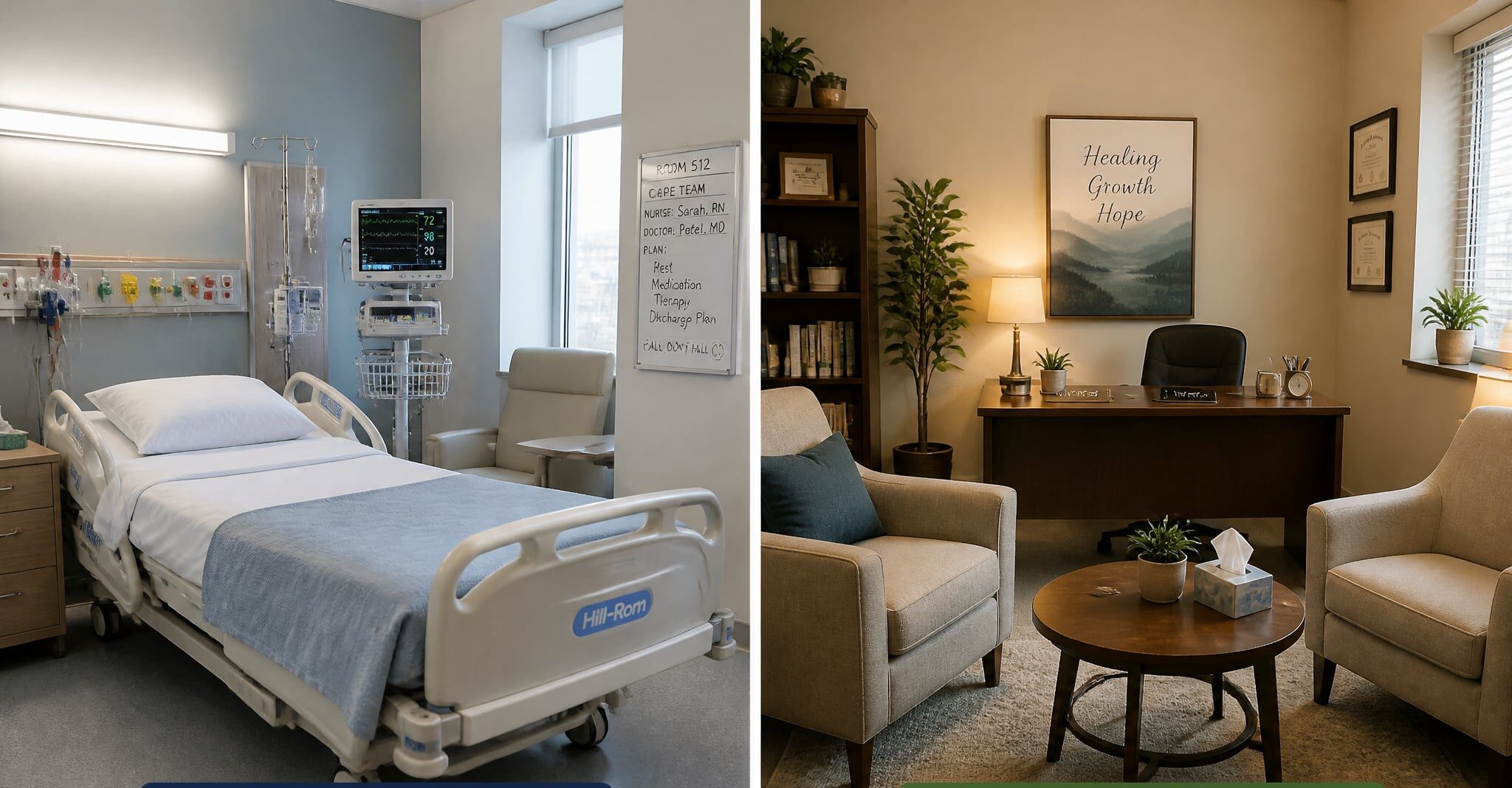
Anxiety and depression show distinct differences in five key areas. You’ll notice anxiety manifests as rapid heartbeat and racing thoughts focused on future threats, while depression creates fatigue and thought patterns fixed on past failures. Your anxiety may trigger hypervigilance and social avoidance, whereas depression leads to emotional numbness and withdrawal. Physical symptoms, recovery timelines, and treatment responses also differ considerably. Understanding these critical signs will help you identify and address each condition effectively. Depression’s effect on anxiety can complicate the recovery process, as individuals may find themselves battling both conditions simultaneously. This dual burden often exacerbates feelings of hopelessness and despair, making it challenging to seek help.
Physical Manifestations in Body and Mind

While anxiety and depression may seem like purely emotional conditions, they manifest through distinct physical symptoms that can greatly impact both body and mind. In anxiety, you’ll typically experience more immediate physical symptoms like rapid heartbeat, shortness of breath, and sweating. Your body’s fight-or-flight response triggers cardiovascular reactions and digestive upsets. Medical professionals have found that cognitive symptoms persist, including difficulty concentrating and making decisions, which can significantly impact daily functioning. Depression’s neurological effects tend to be more sustained, showing up as persistent fatigue, slower movements, and disturbed sleep patterns. You might notice chronic pain conditions, including headaches and fibromyalgia, becoming more intense as depression amplifies pain perception. Both conditions can lead to neglect of hobbies and reduced physical activity levels. Research shows that approximately half of IBS patients also experience anxiety or depression, demonstrating the strong mind-gut connection. The physical symptoms often overlap, but anxiety generally produces more acute, intense bodily sensations, while depression creates a heavier, more prolonged impact on your physical well-being and energy levels.
Emotional Response Patterns and Intensity
Although anxiety and depression both involve emotional distress, they differ fundamentally in how emotions manifest and evolve. In anxiety, you’ll experience rapid emotional escalation with intense, acute arousal that peaks during perceived threats but resolves relatively quickly. Your body enters a state of hypervigilance with racing thoughts and restlessness. Emotional dysregulation commonly emerges during periods of heightened anxiety. Depression, however, creates a persistent low-grade emotional state that’s less reactive to environmental changes. Your affective processing becomes dulled, particularly to positive stimuli, leading to emotional numbness and sustained negative feelings. While anxiety makes you overreact to immediate stressors with heightened arousal, depression causes you to underreact with diminished emotional responsiveness. Both conditions can significantly impact your mental health, with co-occurring symptoms often making diagnosis complex. This contrast becomes especially apparent in social situations, where anxiety triggers self-consciousness and immediate distress, while depression maintains a steady state of emotional detachment. Professional treatment through licensed healthcare providers can help distinguish and effectively manage these distinct emotional patterns.
Behavioral Changes and Social Impact
These distinct emotional patterns directly shape behavioral changes and social interactions in both conditions. When you’re experiencing anxiety or depression, you’ll notice notable differences in how you engage with others and handle daily responsibilities. Anxiety and Depression Overlapping Signs can complicate your ability to communicate effectively. It may lead to misunderstandings with others and impact your overall mental well-being. Anxiety and depression overlapping signs can sometimes be subtle, making them difficult to identify. Recognizing these signs early can be crucial for seeking appropriate help.
- While anxiety causes you to actively avoid social situations due to fear of judgment and overthinking responses, depression leads to social withdrawal through a genuine loss of interest in relationships and activities. This is especially evident in Social Anxiety Disorder, which affects 15 million adults in the United States and can significantly impact daily social functioning. Recent data shows that persistent sadness affects approximately 40% of high school students, making social withdrawal particularly concerning in young populations. Women experience notably higher rates of anxiety, with 23.4% prevalence compared to men.
- Your communication style shifts distinctly, anxiety creates interrupting and overanalysis, while depression results in passive, minimal responses
- You’ll face different impacts on daily function, anxiety disrupts through restlessness and procrastination, while depression affects through lack of motivation
- Your help-seeking behaviors contrast notably; anxiety often delays treatment due to fear, while depression, especially in women, leads to earlier professional intervention
Thought Processes and Mental Focus
Beyond their emotional manifestations, anxiety and depression create distinct patterns in how you process information and focus your thoughts. While anxiety propels your mind toward future uncertainties and potential threats, depression anchors your thoughts in past events and perceived failures. Research reveals that anxiety and depression both rely heavily on cognitive regulation strategies for managing emotions. These cognitive distortions affect your mental functioning in specific ways. If you’re experiencing anxiety, you’ll notice impaired working memory and difficulty with task-switching, especially under stress. Your thoughts may race with “what-if” scenarios and worst-case possibilities. With depression, you’ll face memory impairments particularly in episodic and autobiographical recall. Your mind tends to replay past regrets and perceived inadequacies, leading to static self-criticism. Research shows that depressed individuals demonstrate increased recognition of sadness in facial expressions compared to non-depressed individuals. Both conditions impact your ability to recognize emotions accurately, though anxiety heightens threat detection while depression increases sensitivity to sadness cues. Studies show that approximately 20% of older adults experience either depression or anxiety symptoms, highlighting how common these cognitive challenges are in aging populations.
Duration and Recovery Timeline

Understanding how long anxiety and depression last can help you navigate the path to recovery. While anxiety symptoms often resolve within a year without treatment, depression typically persists for 6-12 months if left untreated. Research shows that about 54% of young people recover from depression within a year without formal treatment. Most individuals who receive clinical treatment respond positively, with approximately 80-90% showing improvement in their depression symptoms. Treatment duration varies greatly based on your chosen recovery strategies and individual response. Mental health professionals are essential resources for developing personalized treatment plans.
Anxiety and depression follow different timelines, but both require patience and proper treatment strategies to achieve lasting recovery.
Key timeline differences between anxiety and depression include:
- Depression responds faster to interventions, with antidepressants showing effects in 2-4 weeks, while anxiety requires longer-term management
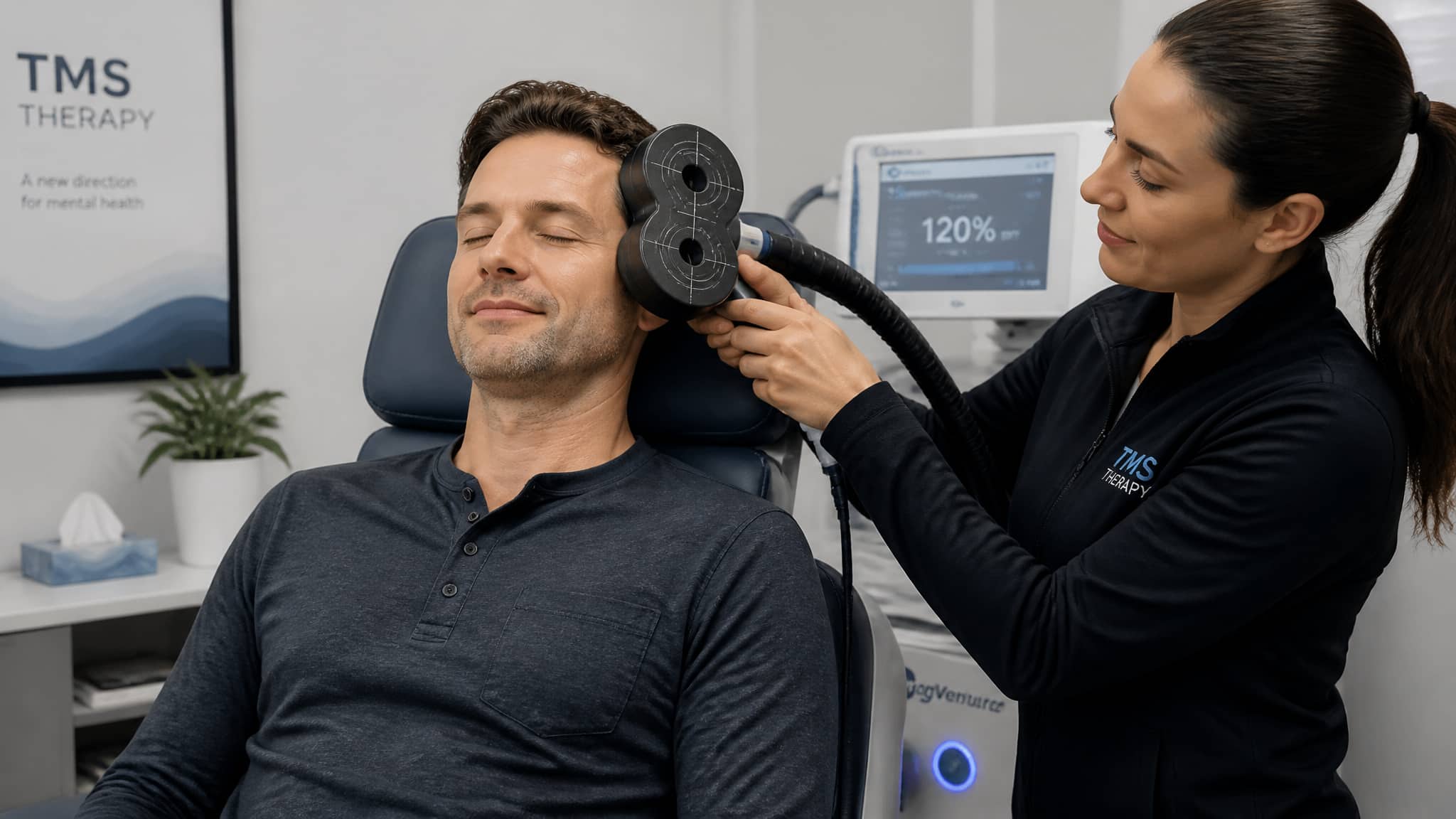
- TMS treatment achieves depression remission in 6-9 weeks, requiring daily sessions
- CBT typically resolves anxiety symptoms in 3-6 months with consistent practice
- Both conditions need ongoing maintenance, as untreated depression has a 50% recurrence rate within two years, while anxiety requires sustained management to prevent relapse
Frequently Asked Questions
Can Someone Inherit Both Anxiety and Depression From Their Parents?
Yes, you can inherit genetic predispositions for both anxiety and depression from your parents. Research shows these conditions share overlapping genetic factors, with heritability rates of 40-50% for each disorder. However, it’s important to understand that having these genes doesn’t guarantee you’ll develop either condition. Environmental factors play a significant role in whether these genetic predispositions are activated, including stress, trauma, and life experiences.
Do Men and Women Experience Anxiety and Depression Differently?
Yes, you’ll notice significant gender differences in how anxiety and depression manifest. Women typically express traditional symptoms like sadness and fatigue, aligning with diagnostic criteria. Men often show non-traditional signs like anger or substance abuse. Emotional expression varies due to societal norms; men are less likely to seek help due to masculine expectations, while women more readily report symptoms. However, both genders can experience severe impacts on their mental health.
What Role Does Diet Play in Managing Anxiety Versus Depression?
Your diet plays distinct roles in managing anxiety and depression through nutrient impact. For anxiety, you’ll benefit from foods rich in B-vitamins and magnesium, like whole grains and leafy greens, which help regulate your nervous system. For depression, focus on food sources high in omega-3s and antioxidants, such as fatty fish and colorful fruits, which combat inflammation and support neurotransmitter function. Both conditions improve with reduced processed foods and increased whole-food consumption.
How Do Anxiety and Depression Affect Relationships and Career Decisions?
Both anxiety and depression can greatly impact your relationships and career trajectory. You’ll likely experience relationship strain through emotional withdrawal, communication difficulties, and reduced intimacy. In your career choices, you may find yourself avoiding high-stress positions or seeking more flexible work arrangements. These conditions can affect your job performance and attendance, while financial stress from treatment costs can further complicate both your personal relationships and professional stability.
Are There Specific Age Groups More Vulnerable to Anxiety Than Depression?
You’ll find that younger adults (18-29) consistently show higher rates of anxiety than depression, with anxiety symptoms affecting up to 32.7% of young women. While childhood vulnerability to anxiety is significant, it typically emerges earlier than depression. Notably, elderly risk decreases for both conditions, but anxiety drops more sharply with age. The 18-24 age group shows particularly heightened anxiety rates compared to depression across multiple studies.