Men frequently hide their depression symptoms because they’re socialized toward stoicism and taught that toughness means suppressing vulnerability. If you’re a man, “be tough” messaging likely pushes you to preserve an image of composure and control. You might redirect distress into irritability, overwork, or self-medication with alcohol to numb the pain. Fear of stigma and losing others’ respect keeps symptoms hidden. Understanding how masculinity and social expectations reinforce this pattern reveals what’s really driving the silence.
Key Takeaways
- Socialization toward stoicism and “be tough” messaging teaches men to suppress vulnerability and preserve an image of composure and control.
- Masculine norms equate emotional expression with weakness, so men mask distress to avoid appearing vulnerable.
- Fear of stigma, judgment, and loss of respect from family, friends, or employers drives men to hide symptoms.
- Depression often surfaces as irritability, anger, fatigue, physical complaints, or risk-taking rather than obvious sadness.
- Many men self-medicate with alcohol, drugs, or overwork to numb pain instead of seeking help.
Why Do Men Hide Their Depression Symptoms

Men hide their depression rather than seek help because of socialization toward stoicism. If you’re raised to “be tough,” suppress vulnerability, and equate emotional expression with weakness, you’ll likely minimize your distress to preserve an image of composure and control. This conditioning shapes masking behaviors. You might numb pain with alcohol, drugs, or workaholism rather than acknowledge it. Fear of stigma compounds the problem: you worry that disclosing symptoms will cost you respect from family, friends, or employers. Self-stigma convinces you that you should handle depression alone. These barriers directly undermine help-seeking, so you underreport and downplay symptoms, reducing your chance of accurate diagnosis. Recognizing these patterns is the first step toward changing them. Mental health help for military veterans can be crucial in overcoming these challenges. Many veterans face the added burden of trauma from their service, making it even more important to seek support.
How Do Masculinity and Social Expectations Play a Role
Masculinity and social expectations play a role by defining what you’re allowed to feel, not just how you cope with depression. From boyhood, you’re taught to value toughness, self-reliance, and emotional restraint, learning that vulnerability signals weakness. These gender-based expectations reward composure and dominance while discouraging any admission of distress. When you internalize these norms, stigma intensifies: you fear losing respect from family, friends, or employers if you disclose struggle. This dynamic directly fuels male depression by pushing symptoms underground. Rather than expressing sadness, you might redirect distress into irritability, overwork, or risk-taking, behaviors culture deems more acceptable. Research consistently identifies socially reinforced masculinity as a barrier to recognition and treatment. The more rigidly you hold these standards, the harder acknowledging depression becomes.
What Does Hidden Male Depression Look Like
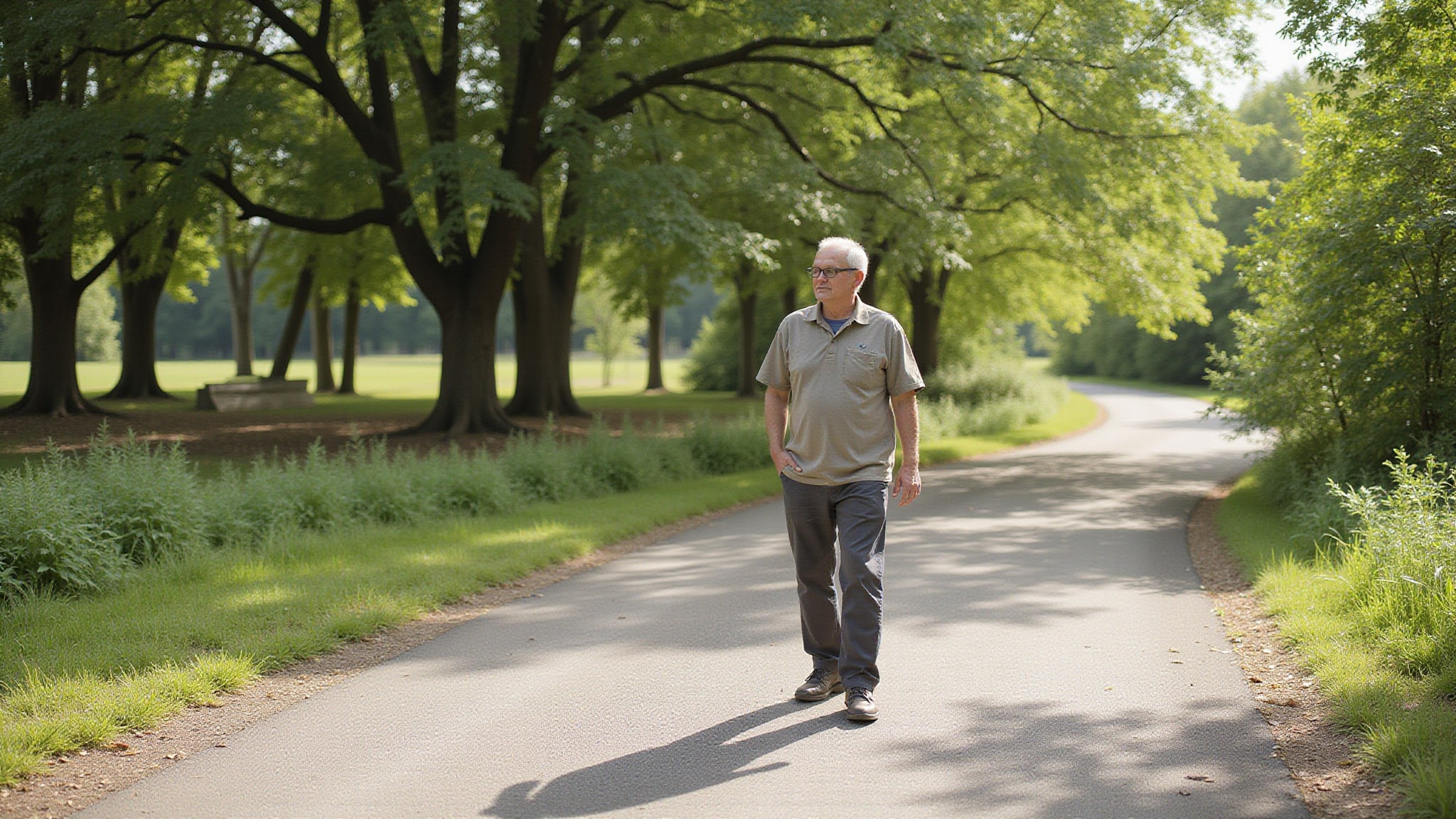
Hidden male depression looks like irritability, anger, or aggression standing in for visible distress rather than the textbook picture of tearfulness and overt sadness. Fatigue, sleep disturbance, and physical complaints like headaches or digestive problems can signal an underlying disorder. You might also see risky, impulsive, or self-destructive behavior externalizing internal pain.
| Presentation | What You Observe | Underlying Distress |
|---|---|---|
| Emotional | Irritability, anger | Sadness, hopelessness |
| Physical | Headaches, fatigue | Somatized depression |
| Behavioral | Risk-taking, impulsivity | Guilt, emptiness |
High-functioning behavior can conceal significant suffering, so a man may appear composed while struggling internally. When you recognize these atypical markers rather than expecting crying alone, you’re far more likely to identify depression early.
Why Does Stigma Stop Men From Seeking Help
Stigma stops men from seeking help because traditional masculine norms equate vulnerability with weakness, so you may fear that admitting distress will cost you respect from family, friends, or employers. This fear drives concealment and delays professional care until symptoms intensify.
Stigma operates through several distinct mechanisms:
- Self-stigma, where you internalize the belief that you should handle depression alone rather than seek support.
- Fear of judgment, where embarrassment and shame prevent open conversation about symptoms.
- Fear of rejection, where anticipated loss of standing intensifies secrecy.
Research consistently identifies these masculinity-driven barriers as key contributors to underreporting, diagnostic delay, and avoidance of mental health services.
What Are the Dangers of Untreated Depression in Men

The dangers of untreated depression in men include worsening health, damaged relationships, and heightened suicide risk. When you suppress symptoms, they don’t disappear; they redirect into behaviors that damage your health and relationships. You’re more likely to lean on alcohol or drugs, which numb distress temporarily while worsening the underlying illness. Irritability, anger, and impulsive risk-taking can strain your family, friendships, and work, deepening isolation. Physical complaints such as fatigue, sleep disturbance, headaches, and digestive problems often intensify without treatment. Because you may not recognize these as depressive symptoms, you delay care until the condition becomes severe. That delay carries real consequences: escalating self-destructive behavior and heightened suicide risk. Lower reported depression rates in men likely mask denial and self-treatment rather than true wellness. The longer symptoms go unaddressed, the harder recovery becomes. Causes of depression in the elderly can vary widely, encompassing factors such as loss, loneliness, and chronic illness. Understanding these triggers is crucial for caregivers and healthcare providers to offer effective support.
How Do You Encourage a Man to Open Up
Encourage a man to open up by reframing the conversation around function and behavior rather than emotion, reducing the vulnerability threshold that stigma reinforces. Direct questions about sadness often fail, since male-pattern depression frequently presents as irritability, fatigue, or somatic complaints.
Consider these evidence-based approaches:
- Normalize the struggle by framing depression as a treatable health condition, not a personal weakness or failure.
- Ask about observable changes like sleep, work, or drinking rather than demanding he name feelings directly.
- Offer side-by-side conversation during activities, which lowers pressure compared to face-to-face confrontation.
When you minimize perceived judgment and address concrete symptoms, you increase the likelihood he’ll disclose and seek help.
How Do You Help Him Find Support
Help him find support by channeling his openness into concrete action, since disclosure alone doesn’t guarantee treatment. Start by helping him recognize that irritability, fatigue, isolation, and physical complaints can be depressive symptoms, not personal failings. This reframing counters the misrecognition that delays care. Offer practical assistance: research clinicians familiar with male-pattern depression, help schedule appointments, or accompany him if he’s hesitant. Because fear of stigma blocks help-seeking, normalize treatment as a strength rather than an admission of weakness. Address masking behaviors directly, noting that alcohol, drugs, or workaholism obscure symptoms and worsen outcomes. Encourage building a support network beyond you, since self-reliance norms push men to handle depression alone. Follow up consistently, because diagnostic delay increases severity over time.
Conclusion
Many men hide their depression behind irritability, overwork, risk-taking, or silence, often because they have learned that showing pain looks like weakness. This masking makes the illness harder to spot and easier to ignore, which is part of why depression in men so often goes untreated. Recognizing that reaching out is a sign of strength, not failure, can open the door to real help. Depression is treatable, and no one has to carry it alone. If you or a man you care about is struggling, National Depression Hotline can connect you with licensed counselors who understand and can help.
Get the Right Support for Every Age and Story
Depression looks different in teens, veterans, college students, and men, and specialized support truly makes the difference. Through National Depression Hotline serving Richmond County, we connect you with licensed mental health counselors who provide the right Depression Treatment and compassionate support for your loved one or yourself. Call +1 (866) 629-4564 today and take the first step toward healing.
Frequently Asked Questions
Can Regular Exercise Reduce Depression Symptoms in Men?
Yes, regular exercise can reduce your depression symptoms. Physical activity helps regulate mood, improves sleep, and eases fatigue and physical complaints that often mark male-pattern depression. It also offers a socially acceptable outlet, which matters if you’re inclined toward emotional restraint or reluctant to seek help. However, don’t treat it as a standalone cure. If your symptoms persist or worsen, you’ll still benefit from professional clinical support.
Are Certain Age Groups of Men More Prone to Depression?
Depression can affect men at any age, but a few stages carry higher risk. Young men face pressures around identity, work, and relationships, middle-aged men often deal with career stress and family responsibility, and older men can struggle with retirement, isolation, and health decline. Older men also have some of the highest suicide rates, partly because their depression so often goes unrecognized. No age is immune, so warning signs deserve attention at every stage of life.
Does Depression in Men Increase the Risk of Suicide?
Yes, men’s depression considerably raises suicide risk, and the masking behaviors covered earlier compound that danger. When you suppress symptoms, avoid help-seeking, and channel distress into alcohol, drugs, or risk-taking, you delay diagnosis and treatment. Depression that surfaces as irritability, aggression, or impulsivity often goes unrecognized, so warning signs get missed. Untreated, unacknowledged distress, reinforced by stigma and self-reliance norms, leaves you more vulnerable to escalating hopelessness and self-destructive, potentially lethal actions.
What Medications Are Commonly Prescribed for Male Depression?
The medications used for depression in men are the same as those used generally, chosen to fit the individual. Doctors usually start with an SSRI such as sertraline, escitalopram, or fluoxetine, or an SNRI like venlafaxine or duloxetine. Bupropion is another common option and is less likely to affect sexual function, a side effect that leads some men to stop treatment. Finding the right medication can take some trial and adjustment, so it should always be done with a prescriber who monitors how you respond.