Starting antidepressants safely means preparing before your first dose. Ask your provider for baseline labs, CBC, CMP, and TSH, to rule out conditions that mimic depression, and consider an ECG to check cardiac health. You might explore genetic testing to guide medication selection. Review the medication packet so you understand its mechanism and risks. Remember, antidepressants work gradually, so early side effects can appear before improvement does. Keep going to learn what happens next.
Key Takeaways
- Get baseline lab tests (CBC, CMP, TSH) and consider an ECG to rule out conditions that mimic depression and ensure cardiac safety.
- Understand that antidepressants work gradually, with meaningful mood improvement typically taking several weeks to emerge.
- Expect early side effects like nausea, fatigue, or dizziness during the first one to two weeks as your body adjusts.
- Continue taking your medication consistently, since the therapeutic effect builds gradually rather than appearing overnight.
- Never stop abruptly, as this can worsen anxiety or depression; discuss any concerns with your prescriber first.
Starting Antidepressants for the First Time
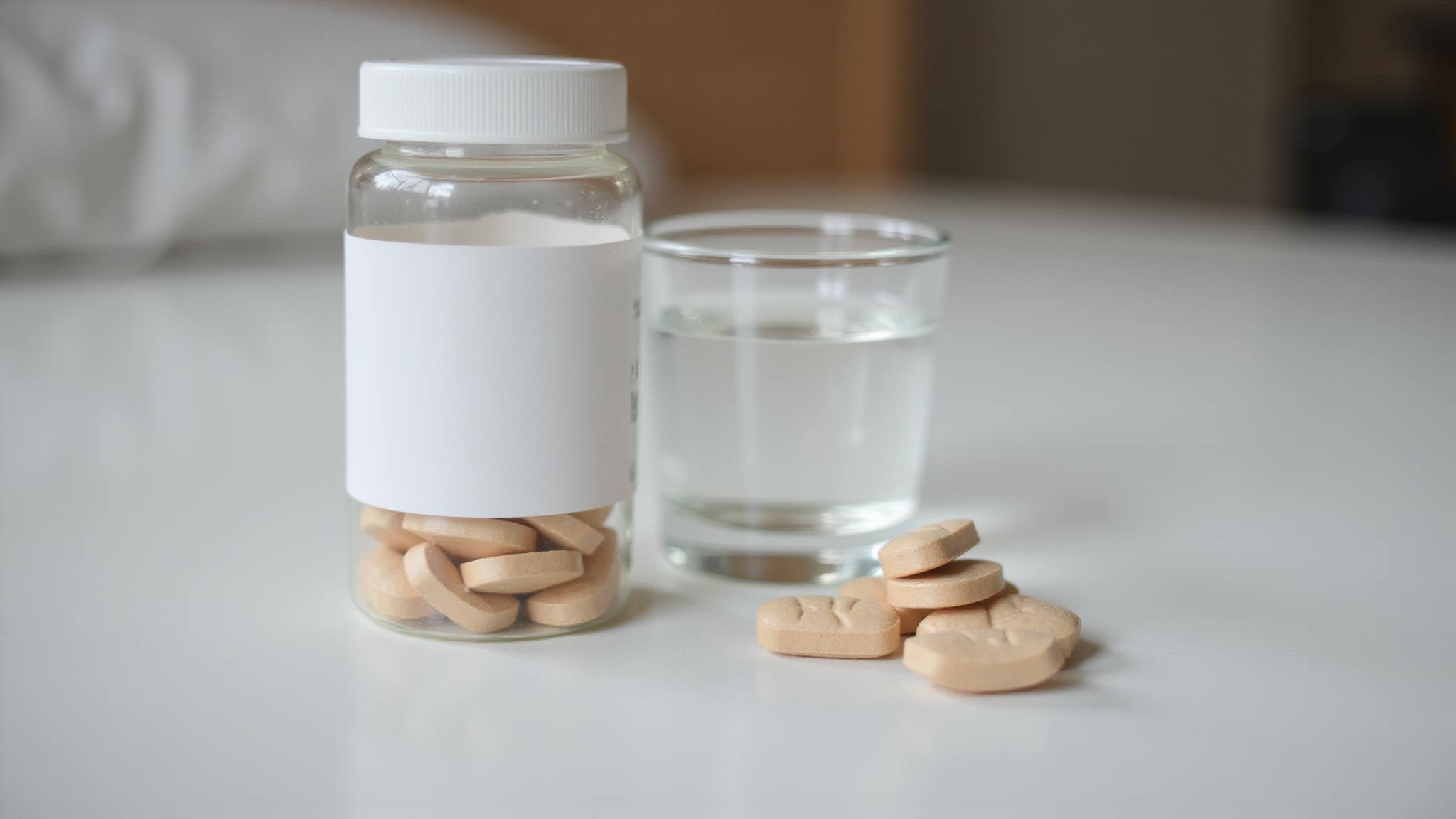
Starting antidepressants for the first time begins with objective data: request a complete blood cell count, complete metabolic panel, and thyroid-stimulating hormone level to rule out underlying conditions that mimic or worsen depression. Consider electrocardiography to evaluate cardiac health before you begin. Ask about genetic testing to optimize medication selection and reduce the “hit or miss” experience common with first-time antidepressants.
When you pick up your prescription, read the medication information packet thoroughly to understand its mechanism and risks. Fill it immediately so you’re ready to start the next day. This antidepressants guide emphasizes preparation. Getting these steps right early improves your chances of a smooth, effective start. Getting prescribed for depression can be an important step in managing your mental health. It’s essential to maintain open communication with your doctor about your symptoms and any side effects you may experience.
How do antidepressants work
Antidepressants work by gradually influencing neurotransmitters like serotonin, norepinephrine, and dopamine, chemical messengers that regulate mood, sleep, and emotional response. Your body needs time to adjust as the medication takes effect. Requirements for antidepressants alone can vary from patient to patient, depending on individual health factors. It is crucial to discuss these needs with a healthcare professional who can provide personalized advice.
Depression medication doesn’t work instantly. During the first 1, 2 weeks, you may notice side effects as your body adapts, while meaningful improvement in mood typically takes several weeks to emerge. This delay reflects the time your brain needs to respond to altered neurotransmitter levels and adjust its signaling pathways.
Understanding this mechanism helps you stay patient and consistent. You’ll want to continue taking your medication as prescribed, even before you notice benefits, since the therapeutic effect builds gradually rather than appearing overnight.
What are the common types of antidepressants

Antidepressants fall into several distinct classes, each with its own profile of benefits and side effects, because they target neurotransmitters through different mechanisms. Knowing which class you’re prescribed helps you anticipate how it works and what to expect. Your prescriber selects a class based on your symptoms, medical history, and tolerability.
| Antidepressant Class | Key Characteristic |
|---|---|
| SSRIs | Increase serotonin; often first-line, generally well tolerated |
| SNRIs | Boost serotonin and norepinephrine; useful for pain and depression |
| Atypical agents | Varied mechanisms; alternatives when others fail |
| TCAs | Older class; effective but more side effects |
| MAOIs | Reserved for resistant cases; require dietary restrictions |
Discuss your specific medication’s class with your prescriber, so you understand its expected timeline and potential adverse effects thoroughly.
What should you expect in the first few weeks
Expect side effects during the first one to two weeks as your body adjusts to the medication. These early effects are usually temporary and manageable. Be patient, because improvements may take several weeks to notice.
Your prescriber will evaluate you for improvement within the first two to four weeks. If you show no improvement, expect a switch to another medication. If you have a partial response and tolerate the drug well, your prescriber may increase the dose.
Watch for worrisome symptoms and contact your provider immediately if they emerge. Don’t stop taking your medication abruptly, since this can worsen anxiety, depression, or trigger unwanted effects. Discuss any concerns with your prescriber to ensure safe, consistent progress throughout treatment. Ensuring safe duration for antidepressants is crucial for effective treatment. It’s important to follow your provider’s guidance regarding how long to continue medication.
What side effects are common when starting out

Common early side effects include gastrointestinal issues, fatigue, dizziness, and sleep changes. During the first one to two weeks, you’ll likely notice these side effects as your body adjusts to the medication. These effects are usually temporary and tend to subside as you continue treatment.
Common early side effects include:
- Gastrointestinal issues, nausea, upset stomach, or changes in appetite that often improve when you take your dose with food.
- Fatigue, daytime tiredness that a brief nap or short walk can help relieve.
- Dizziness, lightheadedness that warrants avoiding driving until it subsides.
- Sleep changes, insomnia or drowsiness as your body adapts.
If any symptom feels worrisome or persists, contact your provider immediately rather than stopping the medication abruptly.
How long do antidepressants take to work
Antidepressants take several weeks to produce their therapeutic benefits, even though you’ll notice side effects within the first week or two. Be patient with the adjustment process, since meaningful improvement rarely happens overnight. Your prescriber will typically evaluate you for improvement within the first two to four weeks. If you see no improvement by then, expect a switch to another medication. If you experience a partial response and tolerate the medication well, your prescriber may increase the dose instead. However, if only a partial response persists at the maximum dose after six to eight weeks, further improvement becomes unlikely, and you’ll need a different approach. Keep your follow-up appointments so your prescriber can track your progress and adjust your treatment plan accordingly.
How do you find the right antidepressant for you
Finding the right antidepressant often involves a process of careful matching and adjustment, because no single antidepressant works for everyone. You’ll work with your prescriber to identify the lowest effective dose while minimizing side effects. Take these evidence-based steps to optimize selection:
Finding the right antidepressant is a process of careful matching and adjustment, because no single medication works for everyone.
- Obtain baseline labs, including a complete blood count, complete metabolic panel, and thyroid-stimulating hormone level, to rule out underlying medical conditions.
- Consider electrocardiography to evaluate your cardiac health before beginning treatment.
- Request a genetic test to guide medication selection and reduce the “hit or miss” experience.
- Read the medication information packet thoroughly to understand its mechanism and risks.
If you don’t respond within a few weeks, your prescriber may adjust the dose or switch medications.
Call Today and Get Answers About Antidepressants
Whether you’re just starting antidepressants or thinking about tapering off, having professional support makes all the difference. Through National Depression Hotline serving Pennsylvania, our trained professionals are available 24/7 who can guide you toward the right Depression Treatment program tailored to your situation. Call +1 (866) 629-4564 today and begin a healthier chapter in your life.
Frequently Asked Questions
Can I Drink Alcohol While Taking Antidepressants?
It’s wise to be careful. Alcohol can worsen low mood, increase drowsiness, and blunt the medication’s benefit, especially in the early weeks. Some antidepressants mix with alcohol worse than others, so check with your doctor about yours. If you drink, keep it moderate and notice how it affects you.
Are Antidepressants Safe to Take During Pregnancy or Breastfeeding?
Certain antidepressants are considered lower risk during pregnancy and breastfeeding, and leaving depression untreated has risks of its own. The safest path is a conversation with your doctor and obstetrician, who can tailor the decision to you. Don’t start or stop any medication during pregnancy without their guidance.
Will Antidepressants Cause Weight Gain or Affect My Appetite Long-Term?
Appetite and weight changes happen for some people, but they vary by medication and aren’t a given. Some notice little change at all. If you see a shift that concerns you, talk to your doctor, since adjusting the dose or trying a different option can help. Healthy routines support steady weight too.
Can I Take Antidepressants With My Other Medications or Supplements?
Often yes, but some combinations need care, including certain supplements like St. John’s Wort. Give your doctor and pharmacist a full list of everything you take so they can check for interactions. That way they can choose an antidepressant that fits safely with the rest of your routine.
Are Antidepressants Addictive or Habit-Forming Over Time?
No. They don’t create cravings or a high, so they aren’t addictive the way some substances are. Stopping suddenly can cause withdrawal-like symptoms, which is why doctors lower the dose gradually when it’s time to stop. Taken as prescribed, they’re a steady, non-habit-forming part of treatment.