If you’re experiencing persistent sad or empty moods, hopelessness, fatigue, and trouble concentrating that recur at the same time each year, you may have Seasonal Affective Disorder. Winter patterns include oversleeping, carb cravings, and social withdrawal; summer patterns bring insomnia and agitation. It’s tied to disrupted circadian rhythms, lowered serotonin, and melatonin changes. You can treat it with light therapy, antidepressants, and CBT. Understanding the full picture helps you recognize and address it effectively.
Key Takeaways
- Warning signs include persistent sad or empty mood, hopelessness, fatigue, and difficulty concentrating nearly every day for at least two weeks.
- Winter-pattern symptoms feature oversleeping, carbohydrate cravings, weight gain, and social withdrawal, while summer-pattern brings insomnia, poor appetite, and agitation.
- SAD stems from reduced sunlight disrupting circadian rhythms, lowering serotonin, and altering melatonin, often worsened by vitamin D deficiency.
- Treatment options include light therapy with a SAD lamp, antidepressants, cognitive behavioral therapy, and interpersonal psychotherapy.
- Home management involves maximizing daylight exposure, exercising regularly, and maintaining a consistent sleep schedule to ease symptoms.
What are the signs and treatment of seasonal affective disorder

Seasonal affective disorder (SAD) signs include a persistent sad, anxious, or empty mood most of the day nearly every day for at least two weeks, alongside hopelessness, fatigue, or difficulty concentrating. Winter-pattern signs include oversleeping, carbohydrate cravings, weight gain, and social withdrawal, while summer-pattern signs include insomnia, poor appetite, restlessness, and agitation. To confirm a diagnosis, these episodes must recur during specific seasons for at least two consecutive years. Treatment options include antidepressants, cognitive behavioral therapy (CBT), and light therapy using a bright light box. You’ll also benefit from natural daylight, regular exercise, and consistent sleep. Dysthymia symptoms can also be a significant concern for individuals experiencing chronic low mood. These symptoms may contribute to a cycle of persistent sadness that can interfere with daily functioning.
What is seasonal affective disorder
Seasonal affective disorder is a type of depression tied to seasonal changes, with symptoms that emerge and resolve at predictable times each year. You’ll typically notice this seasonal depression during specific seasons, most commonly the colder months, though a summer pattern also exists. To meet diagnostic criteria, you must experience depressive episodes during particular seasons for at least two consecutive years, with seasonal episodes outnumbering non-seasonal ones. Winter depression often brings oversleeping, carbohydrate cravings, weight gain, and social withdrawal. The summer pattern involves insomnia, poor appetite, and agitation. These symptoms interfere notably with your daily functioning, distinguishing the condition from brief “winter blues” lasting under two weeks. Recognizing these patterns early helps you pursue effective SAD treatment before symptoms worsen substantially. Psychotic depression vs. other disorders can often blur the lines between different mental health issues.
What causes seasonal affective disorder
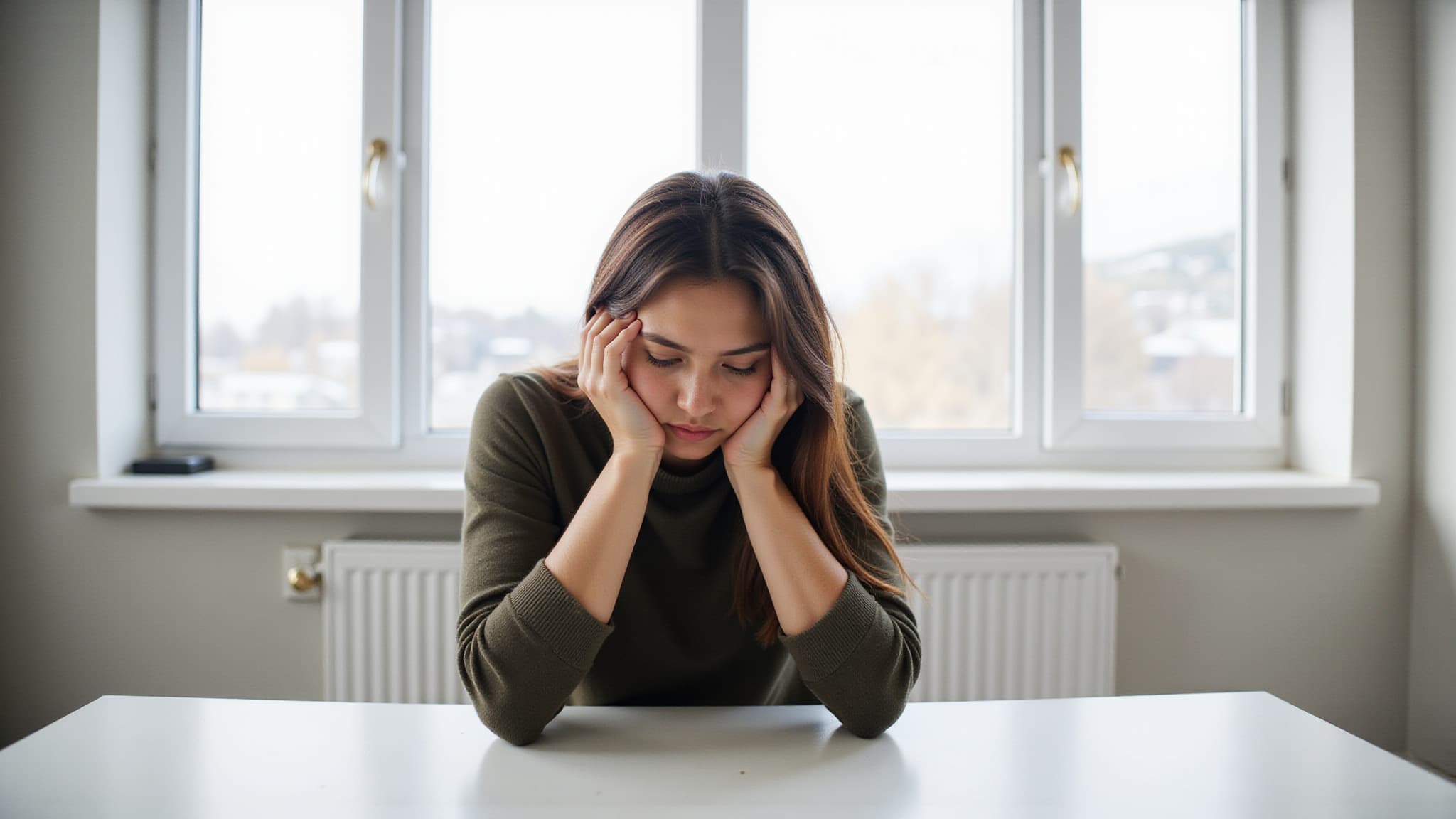
Seasonal affective disorder is caused by several biological factors, though researchers haven’t pinpointed a single cause. Reduced sunlight during specific seasons appears to disrupt your body’s internal clock, or circadian rhythm, which regulates your sleep-wake cycle. When this rhythm falls out of sync, you’re more likely to experience the mood changes and energy shifts characteristic of SAD.
Sunlight also affects your brain’s production of serotonin, a neurotransmitter that influences mood. Diminished light exposure can lower serotonin levels, triggering depressive symptoms. Additionally, seasonal changes can disrupt melatonin, the hormone controlling sleep, leaving you feeling oversleeping or fatigued.
Vitamin D deficiency, common when you’re getting less sunlight, may further impair serotonin activity. Together, these interconnected factors help explain why seasonal patterns provoke depressive episodes.
What are the signs and symptoms of seasonal affective disorder
SAD symptoms mirror those of major depression but follow a seasonal timeline. You’ll notice a persistent sad, anxious, or empty mood most of the day, nearly every day, for at least two weeks. You might feel hopeless, pessimistic, guilty, or worthless, and lose interest in activities you usually enjoy. Decreased energy, fatigue, and difficulty concentrating, remembering, or making decisions often follow. Differences between situational and clinical depression can significantly affect how individuals experience their symptoms. While situational depression is often triggered by specific life events, clinical depression may arise without any clear cause.
If you have winter-pattern SAD, you’ll likely experience oversleeping, carbohydrate cravings, weight gain, and social withdrawal, or “hibernating.” Summer-pattern SAD presents differently: you’ll face insomnia, poor appetite, weight loss, restlessness, agitation, anxiety, and sometimes aggressive behavior. When these symptoms interfere substantially with your daily life, they signal something more serious than seasonal blues.
What treatment options are available

Several evidence-based treatments effectively manage SAD. Your clinician may recommend one or a combination of approaches based on your symptom severity and seasonal pattern.
| Treatment | Method | Purpose |
|---|---|---|
| Light Therapy | Bright light box or SAD lamp | Simulates daylight |
| Antidepressants | Prescribed medication | Corrects brain chemical imbalances |
| CBT | Talking therapy sessions | Restructures negative thought patterns |
| Psychotherapy | Interpersonal counseling | Improves skills, manages stress |
| Vitamin D | Supplementation | Supports mood regulation |
Light therapy remains a first-line intervention, particularly for winter-pattern SAD. If your symptoms persist, antidepressants can address underlying chemical imbalances. CBT and psychotherapy help you develop coping strategies, while vitamin D supplements offer supportive benefit. Combining these treatments often yields best results for managing your condition effectively.
How can you manage symptoms at home
You can manage SAD symptoms through targeted lifestyle strategies that reinforce your prescribed care. Maximize natural daylight exposure by going outside daily, which helps regulate your circadian rhythm and mood. Engage in regular exercise to elevate mood and counteract fatigue. Maintain contact with friends and family to prevent the social withdrawal characteristic of winter-pattern SAD. Keep a consistent sleep schedule by going to bed and waking at the same time each day, which stabilizes your sleep-wake cycle and addresses both hypersomnia and insomnia. Avoid excessive alcohol and illegal drugs, since these substances can worsen depressive symptoms. These evidence-based measures don’t replace medical treatment but support it, improving your overall response and reducing symptom severity throughout affected seasons.
How do you find help for seasonal affective disorder
You should seek professional help for seasonal affective disorder if your symptoms persist most of the day, nearly every day, for at least two weeks, and interfere with your daily activities. Seek help when seasonal depressive episodes recur for at least two consecutive years and prove more frequent than non-seasonal episodes.
Your provider can distinguish SAD from minor “winter blues” and confirm whether your symptoms match winter-pattern or summer-pattern criteria. Treatment options include antidepressants to correct brain chemical imbalances, cognitive behavioral therapy (CBT), and light therapy using a bright light box or SAD lamp. Psychotherapy can improve your interpersonal skills and stress management, and vitamin D supplements may offer supportive benefit. Don’t delay if symptoms worsen or become severe.
Call Now and Take Back Your Life
Whether you’re facing seasonal depression, persistent low moods, or something you can’t quite name, professional support brings clarity and calm. Through National Depression Hotline serving Georgia, our trained professionals are available 24/7 who can guide you toward the right Depression Treatment program built around your story. Call +1 (866) 629-4564 today and begin a healthier chapter in your life.
Frequently Asked Questions
Can Children and Teenagers Develop Seasonal Affective Disorder?
Yes. SAD can affect kids and teens, often showing up as low energy, irritability, trouble concentrating, or changes in sleep and appetite during the darker months. It can be mistaken for typical winter tiredness. If the pattern repeats each year and affects daily life, it’s worth a professional’s opinion.
Is Seasonal Affective Disorder More Common in Certain Geographic Regions?
Yes. It’s more common farther from the equator, where winter days are shorter and there’s less daylight. People who move to darker northern climates sometimes notice it for the first time. The lack of natural light is a big part of why the timing lines up with the seasons.
Are Women More Likely Than Men to Experience SAD?
Yes. SAD is diagnosed more often in women, though men can have it too and may experience more severe symptoms when they do. It also tends to begin in younger adulthood. Anyone noticing a clear seasonal pattern to their mood should take it seriously, regardless of gender.
Can Seasonal Affective Disorder Eventually Develop Into Another Type of Depression?
It can. Some people with SAD also experience depression outside the typical season, or find their episodes deepen over time. Treating it consistently each year helps keep that from happening. If low mood starts lasting beyond the usual months, check in with a professional.
Does Seasonal Affective Disorder Run in Families or Have a Genetic Link?
There does seem to be a genetic component, and SAD is more likely if depression or SAD runs in your family. Genes aren’t the whole story though, since light exposure and body-clock differences also matter. A family history is a good reason to watch for seasonal patterns and act early.