Start with one tiny, repeatable action instead of waiting for motivation to show up. Try a five-minute walk or a protein-rich snack. These small wins can lift your mood and build momentum over time. Depression drains your energy, appetite, and drive, so be gentle with yourself and keep goals realistic. Treat your mood alongside your weight, aiming for gradual progress. Understanding why depression makes this harder can help you move forward with confidence. Small steps to boost motivation can lead to significant changes in your daily routine. By focusing on manageable tasks, you’ll find it easier to overcome the inertia that often accompanies low energy.
Key Takeaways
- Start with one tiny, repeatable action like a five-minute walk or a protein-rich snack instead of waiting for motivation.
- Treat your mood alongside weight goals by working with a therapist or physician to ease blocking symptoms.
- Set realistic targets, aiming for gradual loss of 0.5 to 1 kg weekly through a modest daily calorie deficit.
- Use short bursts of movement and eat every 3 to 4 hours to boost energy, fullness, and mood.
- Track your mood alongside meals and activity to spot patterns and adjust plans for sustainable progress.
How Do You Get Motivated to Lose Weight When Depressed

Getting motivated to lose weight when depressed starts with building one tiny, repeatable action instead of chasing motivation. Depression changes your appetite, sleep, energy, and drive, so weight loss can feel impossible before you even begin. That’s not a personal failing, it’s how the condition works. So start smaller than you think you should. Try eating a protein-rich snack or walking for five minutes. Movement and small wins can lift mood, which slowly rebuilds motivation over time. Motivation to study with depression can also be challenging. Finding that initial spark might require setting realistic goals that account for your mental state.
It also helps to treat your mood alongside your goals. Working with a therapist or physician can ease symptoms that block follow-through. Track how you feel, not just what you weigh. When you’re gentle with yourself, consistency becomes far more sustainable than pressure ever will.
Why Does Depression Make Weight Loss So Hard
Depression makes weight loss hard because it directly changes the systems you’d rely on to lose weight. It alters your appetite, sleep, energy, and motivation, so the routines that support weight management become tougher to sustain. This isn’t a failure of willpower, it’s how depression affects your body and mind. Decision making fatigue contribute to depression, making it even harder to remain focused on health goals. As choices become overwhelming, the energy to initiate even small changes diminishes, leaving individuals feeling trapped.
Here’s what often gets in your way:
- Appetite shifts that trigger overeating or skipped meals, making balanced intake unpredictable.
- Low energy that makes movement and meal prep feel overwhelming.
- Disrupted sleep that raises stress and can increase comfort eating.
On top of this, some antidepressants may cause weight changes. Recognizing these barriers lets you approach self-care with realistic expectations, so you can build small, manageable steps instead of blaming yourself.
How Do Depression and Weight Gain Feed Each Other
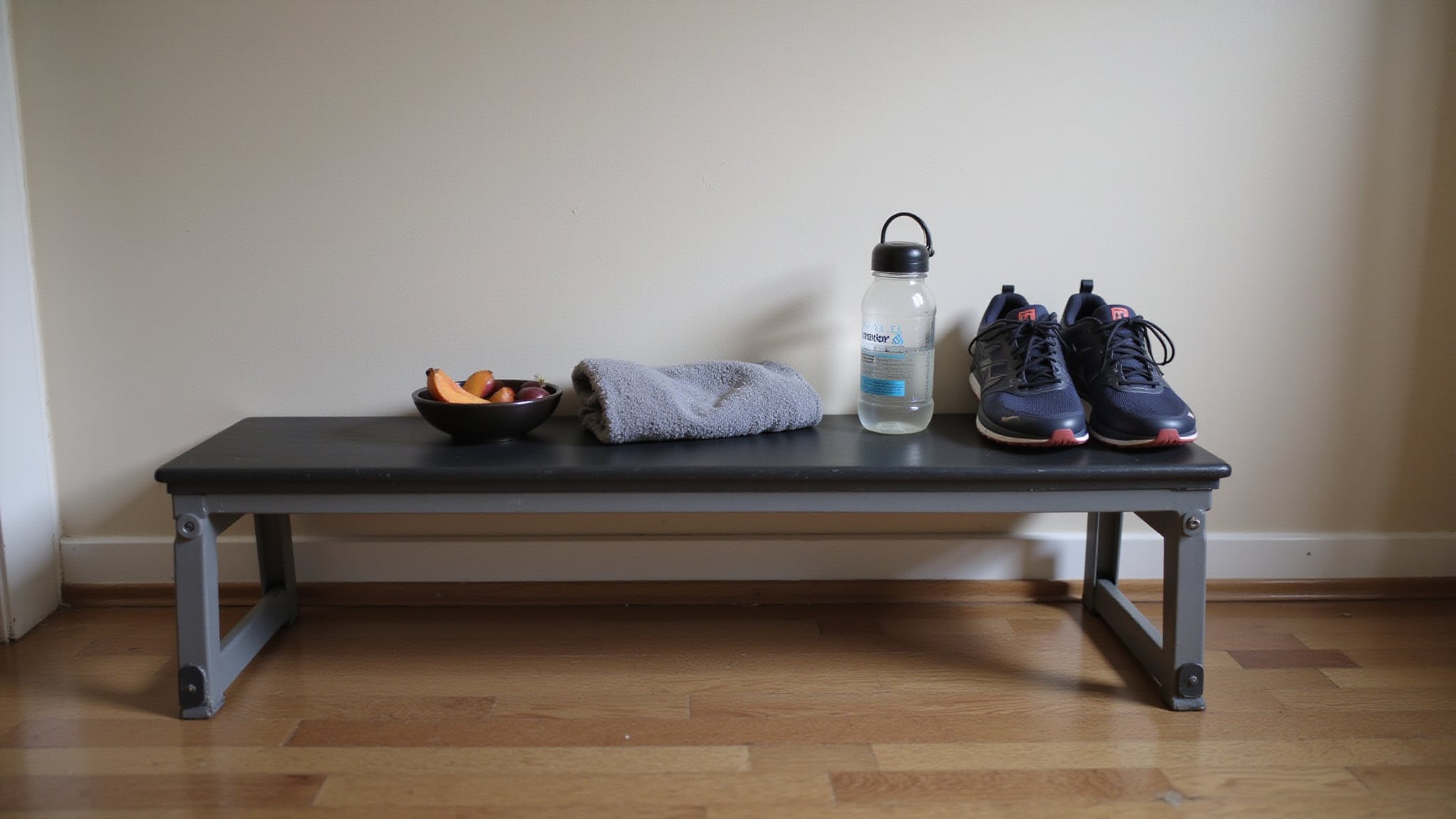
Depression and weight gain feed each other by locking into a cycle where each one worsens the other. When your mood drops, your appetite, sleep, and energy shift, and these changes can push your weight up. That weight gain can then deepen low mood and hurt your self-image, which makes it even harder to eat well or stay active. Antidepressants can add another layer, since some affect weight while they help your symptoms. It’s easy to feel stuck, but you’re not failing. This is how the two conditions interact. Recognizing the loop matters, because it shows you where to intervene. If your weight keeps climbing despite your efforts, a physician can review your medication and help you break the pattern.
How Do You Set Realistic Goals You Can Actually Keep
Set realistic goals by starting small and specific, because ambitious goals often backfire when you’re depressed. Rather than aiming for dramatic transformation, follow NICE guidance and target gradual loss of 0.5 to 1 kg per week through a moderate deficit of about 600 kcal daily. Restrictive plans rarely last when your energy and motivation are already low, so consistency matters more than speed.
Try setting goals that feel achievable on hard days:
- Eat something nutritious every 3 to 4 hours, even when appetite fades.
- Move for 10 minutes, whether that’s walking, stretching, or gentle yoga.
- Track one thing, meals, mood, or activity, to notice patterns over time.
Adjust these as you go. When you hit your targets, you’ll build momentum, and small wins genuinely add up.
What Small Changes Build Momentum

Small changes build momentum when you start smaller than you think you should. Instead of overhauling your diet, you set a reminder to eat every 3 to 4 hours or keep nutrient-dense snacks like nuts, yogurt, or smoothies within reach. These tiny wins add up, especially on low-energy days when cooking feels impossible.
| Small Change | Why It Helps | How to Start |
|---|---|---|
| Eat every 3 to 4 hours | Prevents missed meals | Set phone reminders |
| Add protein | Improves fullness | Include eggs or yogurt |
| Move briefly | Boosts mood, energy | Walk 5 to 10 minutes |
Short bursts of movement count, too. A full workout may feel unrealistic, but a brief walk still matters. You’re building consistency, not perfection, and that’s what creates lasting momentum.
How Does Exercise Help Both Weight and Mood
Exercise helps both weight and mood by burning calories and lifting how you feel at the same time. Those short bursts of movement you’re building do more than burn calories, they help lift your mood, too. When depression drains your energy, even gentle activity can shift how you feel while supporting your weight goals. You don’t need intense workouts to benefit.
Here’s what movement can offer you:
- Fat loss and metabolism support, aerobic exercise and strength training help when done consistently, even in short sessions.
- Mood relief, activity like walking, stretching, or yoga can ease low energy and improve how you feel.
- Routine and momentum, choosing something enjoyable makes it easier to stick with than rigid plans that quickly fail.
If four sessions weekly feels unrealistic, start smaller. Consistency matters more than intensity, so meet yourself where you are.
When Should You Ask for Help With Depression
Ask for help with depression when your low mood persists, or you notice sudden weight loss or gain, since a medical evaluation matters, particularly when your symptoms feel severe or daily functioning slips. Some signs mean it’s time to talk to a professional, even when depression convinces you that you should just push through. Seek emergency care right away if you’re having suicidal thoughts, chest pain, or signs of extreme dehydration.
You should also check in with a physician when weight keeps climbing despite diet and activity changes, since your antidepressant may play a role. A therapist, dietitian, or doctor can help you manage medication, reshape unhelpful thoughts, and build a plan that actually fits your life.
Conclusion
Starting to lose weight while depression holds you down is genuinely hard, because low energy, low motivation, and changes in appetite are symptoms of the illness, not personal failings. The gentlest path is often to focus first on small, kind habits, a short walk, more water, one balanced meal, rather than strict rules that feel overwhelming. Caring for your mood and your body at the same time tends to work better than tackling either alone. If depression keeps getting in the way, support can help you move forward. National Depression Hotline can connect you with licensed counselors who help you find steadier ground.
Find Motivation and Support Through Depression
Getting through daily tasks feels impossible when depression takes hold, but professional support brings back your energy and focus. Through National Depression Hotline serving Boynton Beach, we connect you with licensed mental health counselors who provide the right Depression Treatment and compassionate support tailored to your needs. Call +1 (866) 629-4564 today and take the first step toward healing.
Frequently Asked Questions
Can Antidepressants Cause Weight Gain, and Can They Be Changed?
Yes, antidepressants can contribute to weight gain for some people, and it’s understandable if that’s frustrating. If your weight keeps climbing despite changes to your diet and activity, it’s worth talking with your physician about a medication review. You shouldn’t stop or switch anything on your own, but your doctor can explore whether adjusting your treatment might help while still supporting your mood and overall wellbeing.
What Foods Best Support Both Mood and Weight Loss?
You’ll do well focusing on high-protein, nutrient-dense foods that support fullness and steady energy. Try nuts, yogurt, and smoothies when cooking feels hard, and lean proteins to help control intake later in the day. Gradually shift toward high-nutrient, lower energy-dense options, and ease back on breads and starches. These small changes can make eating feel manageable on tough days while gently supporting your weight-loss goals. Be patient with yourself.
How Much Protein Should I Eat Daily to Feel Full?
There’s no single number that fits everyone, but including protein at each meal helps you feel fuller and can reduce overeating later in the day. Try building meals around high-protein foods like yogurt, eggs, nuts, or beans, and pair them with lower-energy-dense foods. If cooking feels hard, quick options like a smoothie or yogurt work well. For personalized targets, it’s worth checking with a dietitian or physician who knows your needs.
Does Poor Sleep Directly Affect My Ability to Lose Weight?
Yes, poor sleep can affect your ability to lose weight. When you’re not sleeping well, your appetite regulation can shift, and you may find yourself reaching for comfort foods or eating more to manage stress. Keeping a regular sleep schedule may help reduce stress-related eating and support more balanced appetite. It’s tough, especially with depression in the mix, but small steps toward steadier sleep can make weight loss feel a little more manageable.
Should I See a Dietitian or a Therapist First?
Start with a therapist if your mood symptoms feel heavy or overwhelming, since treating depression first often makes everything else easier to manage. Once you’re feeling a bit steadier, a dietitian can help you build realistic eating changes that stick. There’s no wrong order, though. If food feels like your biggest struggle right now, see the dietitian first. You can always work with both over time.