Yes, depression can make you cry almost every single day. When you’re depressed, dysregulated neurotransmitters like serotonin weaken your emotional regulation. So tears may surface over minor triggers or with no clear cause at all. But crying patterns vary, and frequent crying isn’t universal. It’s usually part of a broader symptom cluster, not proof of depression by itself. Understanding why this happens, and when it signals something serious, matters more than you might expect.
Key Takeaways
- Depression can cause frequent crying, but daily crying isn’t universal since patterns vary between individuals.
- Dysregulated neurotransmitters and weakened emotional regulation can trigger tears over minor events or without any clear cause.
- Crying alone doesn’t prove depression; it matters as part of a broader symptom cluster.
- Some people with depression experience emotional numbness or flat affect instead of crying, which is equally significant.
- Persistent, unexplained crying with low mood, fatigue, or hopelessness lasting two weeks or more warrants clinical evaluation.
Does Depression Make You Cry All the Time
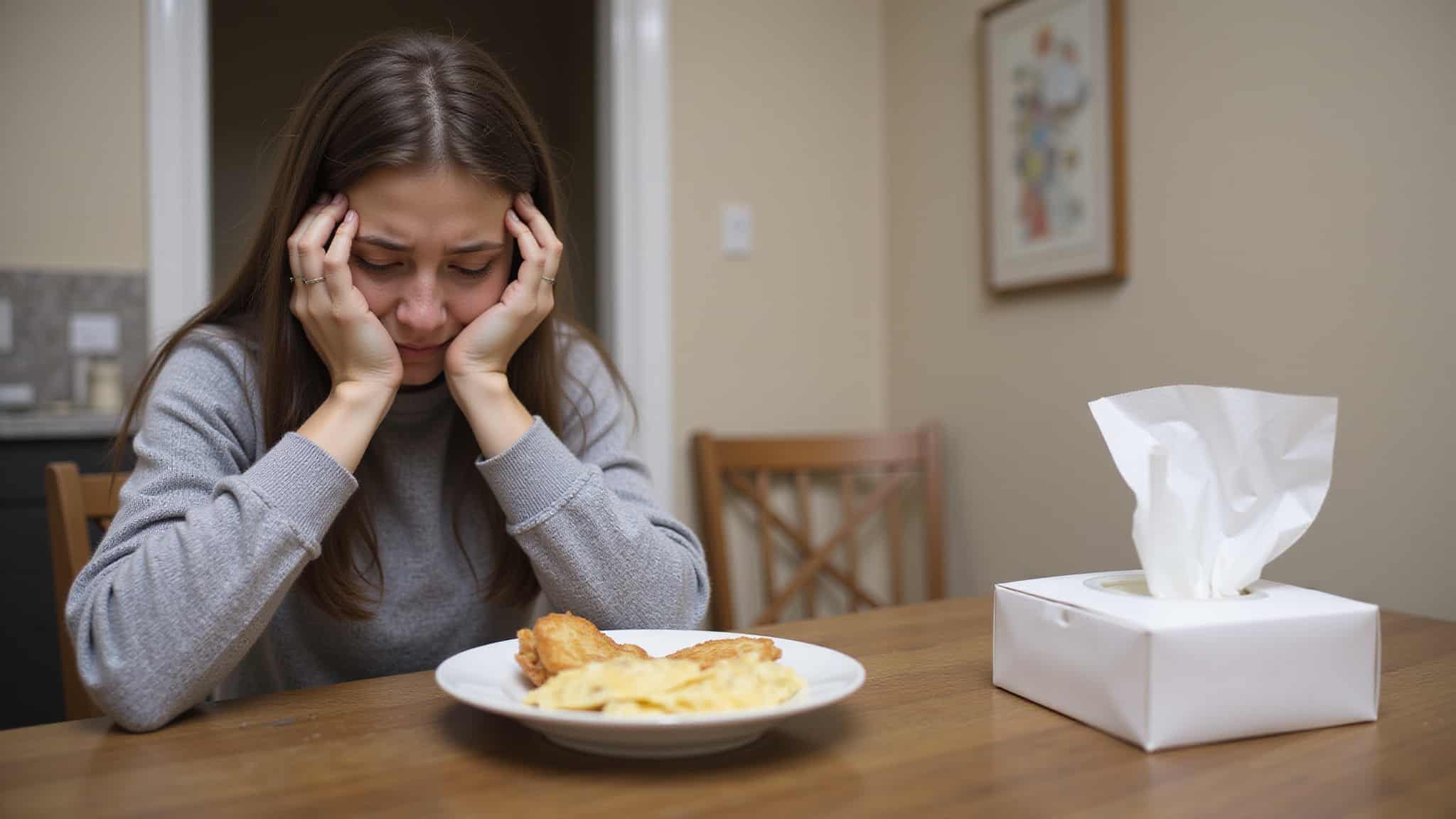
Depression does not necessarily make you cry all the time. It’s a common misconception, and the reality is more nuanced. Depression can trigger frequent crying spells, but it won’t necessarily make you weep every single day. Some sources note that people with depression don’t always cry more often overall than those without it. What matters is the pattern. If you’re experiencing a persistent low mood alongside crying that feels hard to stop or comes without a clear trigger, that’s clinically meaningful. Depression can weaken your emotional regulation, making tears feel sudden or out of proportion. So while you might cry daily, you also might not. Crying alone doesn’t prove depression. It’s one possible symptom within a broader cluster.
Why Does Depression Trigger Frequent Crying
Depression triggers frequent crying because it disrupts your brain chemistry, including neurotransmitters like serotonin and norepinephrine that help govern mood. When these systems become dysregulated, your emotional regulation weakens, and tears can arrive suddenly, intensely, or without a clear trigger. Stress-response changes and hormonal shifts can lower your emotional control even further, so daily crying may reflect accumulated strain rather than a single event. Can depression cause emotional abuse, as individuals may lash out at those closest to them when overwhelmed by their feelings? This aggression often stems from a place of deep-seated pain and helplessness rather than a true desire to hurt.
- Tears surfacing over something minor that never fazed you before
- Crying you can’t seem to stop once it starts
- Weeping despite not feeling obviously sad in the moment
- Sudden emotional waves crashing in without warning
These depression symptoms rarely appear alone. They cluster together, making crying feel confusing yet understandable.
Can You Be Depressed and Unable to Cry at All

Yes, you can be depressed and find yourself unable to cry at all. Depression doesn’t always look like frequent crying spells. For some people, it shows up as emotional numbness, a flatness that dampens both sadness and tears. You might feel disconnected, empty, or unable to access the emotions you’d expect. This happens because depression disrupts emotional regulation, sometimes blunting your capacity to respond at all rather than heightening it. Lab observations back this up: people with depression aren’t necessarily more likely to cry at sad stimuli, and some show reduced emotional activation overall. So if you can’t cry, that doesn’t mean you’re fine. Emotional numbness is itself one of the recognized depressive symptoms, and it deserves the same attention as persistent crying.
What Does Uncontrollable Crying Signal About Your Mental Health
Uncontrollable crying often signals that something deeper deserves your attention. Uncontrollable tearfulness can reflect emotional dysregulation, where your capacity to manage feelings has become overwhelmed. This doesn’t automatically mean you’re depressed, but when crying pairs with other symptoms, it warrants a closer look.
| Warning Sign | What It May Indicate | When to Act |
|---|---|---|
| Crying without a trigger | Emotional dysregulation | Persists 2+ weeks |
| Tearfulness plus hopelessness | Possible depression | Seek evaluation |
| Crying disrupting work | Functional impairment | Prompt attention |
| Sudden, intense spells | Neurological or mood cause | Clinical assessment |
| Crying with self-harm thoughts | Serious risk | Immediate help |
Pay attention to patterns. When tearfulness feels unexplained or unmanageable, a clinician can help clarify what’s happening.
How Is Crying From Depression Different From Ordinary Sadness

Depression-related crying differs from ordinary sadness in its triggers, intensity, and duration. Ordinary sadness usually has a clear cause and fades once the situation resolves. Depression-related crying often shows up without an obvious trigger, feels out of proportion, and proves hard to stop. It rarely arrives alone. It clusters with low mood, fatigue, and hopelessness that linger for two weeks or more. Is depressed an emotion that can be easily identified? It often intertwines with other feelings, making it difficult for individuals to pinpoint their emotional state.
Unlike ordinary sadness, depression-related crying arrives without warning, feels out of proportion, and refuses to fade.
- Tears that spill over minor stressors that never bothered you before
- Crying spells that surface even when you don’t feel obviously sad
- Weeping paired with emotional numbness, exhaustion, or trouble getting out of bed
- Unpredictable episodes that interrupt work, school, or relationships
If your crying feels unexplained, persistent, and tangled with other symptoms, it warrants a professional evaluation rather than dismissal.
How Do You Cope With Constant Crying Spells
Cope with constant crying spells by using practical strategies day to day. When tears hit unexpectedly, don’t fight them. Letting yourself cry can release built-up emotional strain rather than compound it. Track your patterns, noting when spells occur and what precedes them, so you can identify triggers and share specifics with a clinician. Prioritize sleep, movement, and regular meals, since fatigue and appetite changes often worsen emotional dysregulation. Reach out to someone you trust instead of isolating, because withdrawal tends to deepen depressive symptoms. If your crying persists two weeks or more, disrupts work or relationships, or pairs with hopelessness or self-harm thoughts, seek professional evaluation promptly. These strategies support you. They don’t replace treatment.
When Should You Get Help for Persistent Crying
Seek help when your crying lasts two weeks or more and comes paired with other depressive symptoms. Crying alone doesn’t prove depression, but persistent, uncontrollable tears that disrupt your life deserve attention.
Watch for these warning signs:
- Crying daily or multiple times a week that you can’t seem to stop
- Tears interfering with your work, school, or relationships
- Crying alongside withdrawal, isolation, or deepening hopelessness
- Any thoughts of self-harm accompanying your low mood
A clinician can distinguish depression from grief, burnout, hormonal shifts, or pseudobulbar affect. Don’t dismiss crying that feels unexplained or unusual for you. Reach out. Overcoming emotional numbness can be a crucial step in the healing process. It often requires patience and self-compassion as you navigate through your feelings.
Conclusion
Crying nearly every day can be a very real sign of depression, and it is nothing to be ashamed of. When low mood, exhaustion, and emotional overwhelm build up, tears can come easily and often, sometimes without an obvious trigger. For some people depression brings frequent weeping, while for others it brings a numb inability to cry at all. Either way, daily tears that will not lift deserve attention and care. National Depression Hotline can connect you with licensed counselors who help you understand what you are feeling and find steady relief.
Get Help for Depression’s Physical Toll
Depression affects more than just your mood, it takes a real physical toll on your body and daily life. Through National Depression Hotline serving Nassau County, we connect you with licensed mental health counselors who provide the right Depression Treatment and compassionate support for your needs. Call +1 (866) 629-4564 today and take the first step toward healing.
Frequently Asked Questions
Can Antidepressants Stop or Reduce Frequent Crying Spells?
Yes, antidepressants can reduce frequent crying spells when depression’s driving them. By helping regulate neurotransmitters like serotonin and norepinephrine, these medications can stabilize your mood and improve emotional control, which often makes crying feel less sudden or overwhelming. You won’t necessarily see results overnight, it can take several weeks. If crying persists or worsens, talk with your prescriber, since your treatment may need adjusting to better fit your symptoms.
Do Children and Teens With Depression Cry More Than Adults?
You won’t find clear evidence that depressed children and teens cry more than depressed adults. What you’ll notice instead is that depression often looks different by age. In younger people, you might see irritability, withdrawal, or acting out rather than obvious tears. Crying can still occur, but it’s just one possible sign. If you’re worried about a child or teen, seek a professional evaluation of their full symptom picture.
Is Crying at Night a Specific Sign of Depression?
No, crying at night isn’t a specific sign of depression. While you might find tears come more easily once the day quiets down and distractions fade, nighttime crying alone doesn’t confirm depression. It can also stem from stress, grief, fatigue, or hormonal shifts. What matters more is the bigger picture, if your crying pairs with persistent low mood, hopelessness, or loss of interest lasting two weeks or more, consider a professional evaluation.
Can Crying Too Much Cause Physical Health Problems?
Crying itself won’t usually cause serious physical health problems, though you might notice short-term effects like headaches, puffy eyes, a stuffy nose, dehydration, or fatigue afterward. What matters more is what’s driving frequent crying. If depression’s behind it, you may experience related physical symptoms, disrupted sleep, appetite changes, and persistent tiredness. If your crying’s daily and paired with these signs, it’s worth getting a professional evaluation to protect your wellbeing.
Does Hormonal Birth Control Worsen Depression-Related Crying?
For some women it can. Hormonal birth control affects mood in different ways, and while many people notice no change, a minority report more low mood, tearfulness, or emotional sensitivity, especially in the first months or with certain formulations. If you have started or changed birth control and find yourself crying more or feeling down, it is worth tracking and discussing with your doctor. Switching to a different method or formulation often helps, and you do not have to simply put up with it.