Yes, you can have PTSD and depression at the same time, and they often occur together. Comorbidity affects roughly 40% to 50% of adults with PTSD, with veteran samples reaching 68%. If you’ve been diagnosed with PTSD, you’re three to five times more likely to develop depression. Shared trauma exposure drives both conditions, and overlapping symptoms complicate diagnosis. Understanding how these disorders connect can help you recognize what you’re facing next. When mania and depression collide, the impact can be profound and challenging to navigate. Individuals experiencing this combination may find themselves overwhelmed by fluctuating emotions and competing symptoms.
Key Takeaways
- Yes, PTSD and depression frequently co-occur, affecting roughly 40% to 50% of adults with PTSD.
- Having PTSD increases the likelihood of developing depression by about 3 to 5 times.
- Trauma exposure is a shared origin that can trigger both disorders through overlapping neurobiological and psychological mechanisms.
- Shared symptoms like sleep disturbance, low mood, and concentration problems complicate accurate diagnosis, requiring dual screening.
- Combined PTSD and depression worsens daily functioning and suicide risk, making integrated treatment essential.
Can You Have PTSD and Depression at the Same Time

Yes, you can have PTSD and depression at the same time, and this concurrent presentation is common rather than exceptional. Research consistently documents high comorbidity between the two conditions, with many adult samples reporting co-occurrence around 40% to 50%. The National Comorbidity Survey found lifetime comorbid depression in roughly 48% of people with PTSD, and some veteran samples report rates as high as 68%.
If you’re carrying a PTSD diagnosis, you’re statistically 3 to 5 times more likely to develop depression than someone without it. Trauma exposure often triggers both disorders simultaneously, and their overlapping symptoms, including sleep disturbance, low mood, and concentration problems, can complicate accurate diagnosis. That’s why clinicians screen for both, treating this comorbidity as the rule, not the exception.
How Common Is It to Have Both Conditions Together
Comorbid PTSD and depression is common, occurring in around 30% to 50% of cases. Research consistently places co-occurrence in this range, with the National Comorbidity Survey reporting lifetime comorbid depression in roughly 48% of people with PTSD. The National Comorbidity Survey-Replication found a comparable rate of 42.8%. If you’re evaluating your mental health after trauma, understand that depression is 3 to 5 times more likely when PTSD is present.
Rates shift by population. Veterans show elevated overlap, with one estimate reaching 68%. Adolescents with PTSD reported comorbid depression at 62% over six months. Some longitudinal studies report lower figures, around 19% to 21%. Because roughly half of PTSD cases include major depression, you should treat comorbidity as the rule, not the exception.
How Do PTSD and Depression Symptoms Overlap
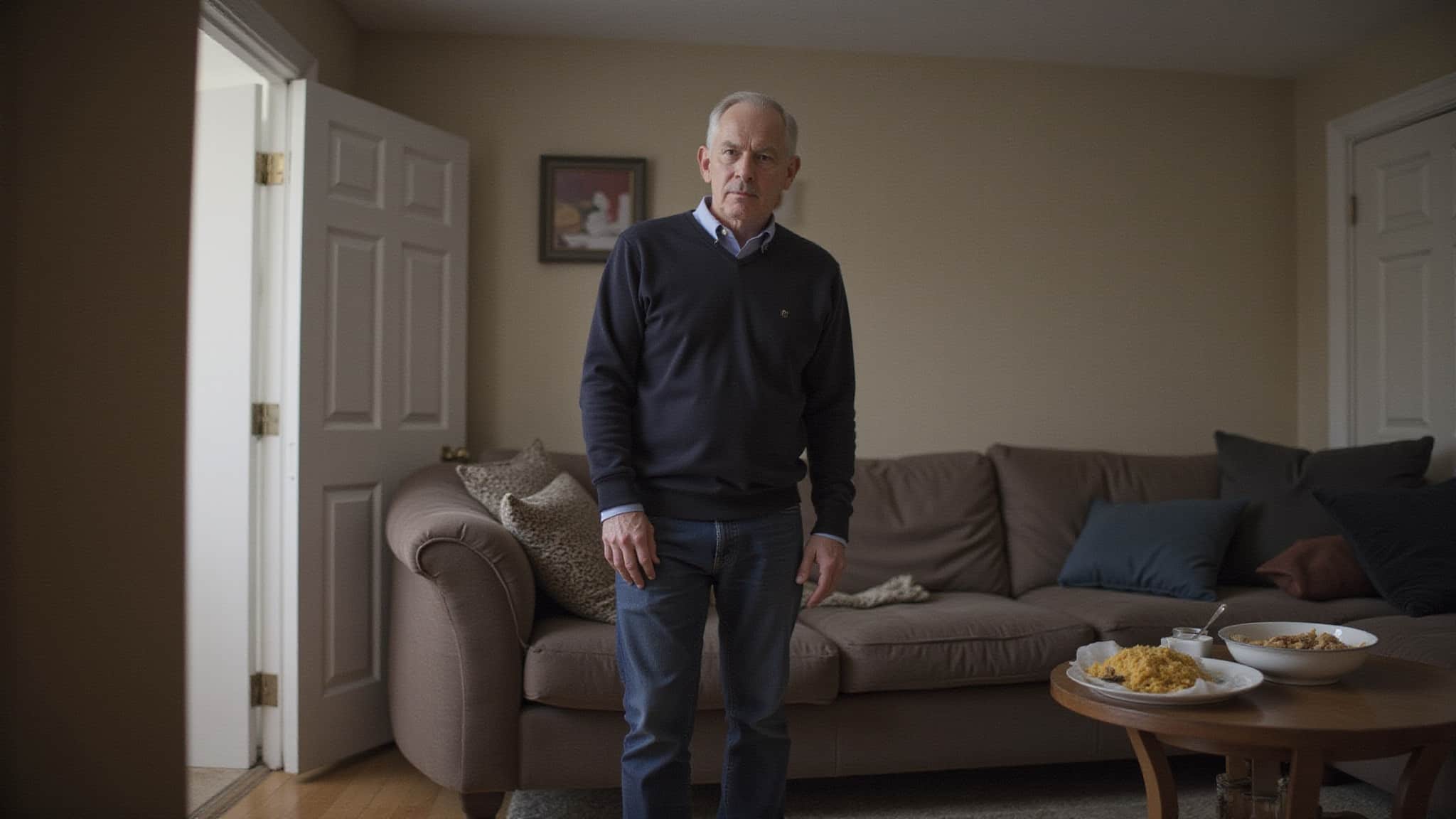
PTSD and depression overlap in several shared symptoms, including sleep disturbance, concentration problems, low mood, and reduced interest. When you experience both PTSD and depression, you’ll notice several diagnostic features appear in each disorder, which can complicate accurate identification. Overlapping symptoms often blur the line between conditions, making single-disorder screening incomplete.
| Shared Symptom | Clinical Impact |
|---|---|
| Sleep disturbance | Reduces recovery, worsens both conditions |
| Concentration problems | Impairs daily functioning |
| Low mood | Complicates differential diagnosis |
| Reduced interest | Reinforces withdrawal and avoidance |
Because these features cluster together, you can’t assume one diagnosis explains everything you’re feeling. Clinicians must evaluate your trauma history alongside depressive symptoms to distinguish the disorders. This overlap is why dual screening matters. It prevents under-recognition and ensures you receive integrated, targeted treatment.
Why Do PTSD and Depression So Often Occur Together
PTSD and depression converge so frequently because trauma exposure serves as the common origin point, triggering psychiatric morbidity that rarely stays confined to a single diagnosis. When you experience trauma, the same neurobiological and psychological mechanisms that generate PTSD can simultaneously drive depressive symptoms.
Trauma is the shared origin point, rarely confining itself to one diagnosis when PTSD and depression emerge together.
Several factors explain this convergence:
- Shared trauma etiology, a single traumatic event activates overlapping stress-response systems, making you 3 to 5 times more likely to develop depression alongside PTSD.
- Symptom reinforcement, avoidance, withdrawal, and sleep disruption feed both disorders, creating a self-perpetuating cycle.
- Overlapping symptom clusters, low mood, concentration deficits, and diminished interest belong to both diagnoses.
Given roughly 80% syndromal comorbidity in PTSD, you should treat co-occurrence as expected, not exceptional.
How Does Having Both Affect Daily Life

Having both PTSD and depression compounds impairment across every functional domain, and the combined burden exceeds what either disorder produces alone. You’ll notice overlapping symptoms, including sleep disturbance, concentration problems, low mood, and diminished interest, reinforcing each other and intensifying daily dysfunction. Avoidance and withdrawal expand, shrinking your social contacts, occupational performance, and daily routines. You’re likely to experience greater functional impairment, reduced quality of life, and heightened distress compared to individuals with a single diagnosis. Suicide risk climbs substantially, since comorbid depression frequently adds suicidal ideation to the PTSD clinical picture. When alcohol dependence or other disorders coexist, aggression and impulsivity can increase. This severity pattern demands integrated assessment and treatment, because targeting one condition alone won’t resolve the compounded impairment you’re facing across functioning.
How Are PTSD and Depression Treated Together
PTSD and depression are treated together through integrated treatment that targets both conditions simultaneously, because addressing one condition while ignoring the other leaves you vulnerable to persistent impairment. Because these disorders share symptoms like sleep disturbance, low mood, and concentration problems, your clinician will assess both before building a coordinated plan. Evidence supports combining trauma-focused psychotherapy with pharmacotherapy to address overlapping and distinct symptom clusters.
- Trauma-focused psychotherapy: You’ll likely engage in cognitive processing therapy or prolonged exposure, which reduce PTSD symptoms and often lower comorbid depressive severity.
- Pharmacotherapy: SSRIs target both conditions, addressing depressed mood, avoidance, and hyperarousal concurrently.
- Suicidality screening: Your provider monitors suicidal ideation, since comorbid presentations elevate risk.
This integrated approach counters avoidance and withdrawal, preventing either disorder from reinforcing the other.
How Do You Find Help for Co-Occurring Conditions
Finding help for co-occurring PTSD and depression starts with a clinician who screens for both conditions rather than one in isolation. Because symptoms overlap, including sleep disturbance, low mood, concentration problems, and reduced interest, single-disorder screening often misses the full clinical picture. You’ll want a provider who takes a trauma history while also assessing depressive symptoms and suicidality, since comorbidity frequently links to suicidal ideation. Look for mental health professionals trained in integrated, trauma-focused care, since both disorders reinforce avoidance, withdrawal, and functional impairment. You can start with your primary care physician, a licensed psychologist, or a psychiatrist, and request dual assessment explicitly. Given that comorbidity is the rule rather than the exception in PTSD, insist on evaluation for both conditions before treatment planning begins.
Conclusion
PTSD and depression often occur together, and living with both at once can feel especially heavy. Trauma can fuel depression, and depression can make trauma symptoms harder to manage, so the two frequently feed each other. The encouraging news is that both are treatable, often through the same care, and many people find real relief with the right support. If you are carrying the weight of trauma and low mood together, you do not have to face it alone. National Depression Hotline can connect you with licensed counselors who understand both and can help you find your way forward.
Reach Out Today and Find Real Support
Depression comes in many forms and rarely looks the same for any two people, but the right support can bring lasting relief. Through National Depression Hotline serving New York, we connect you with licensed mental health counselors who provide the right Depression Treatment and compassionate support built around your needs. Call +1 (866) 629-4564 today and take the first step toward healing.
Frequently Asked Questions
Can PTSD and Depression Develop Years After the Traumatic Event?
Yes, both can emerge years after your trauma. Clinicians recognize delayed-onset PTSD, where you don’t meet full diagnostic criteria until at least six months post-event, sometimes much later. Depression can follow the same delayed pattern, triggered by reminders, anniversaries, or accumulating stressors. If you’re noticing new symptoms long after your trauma, you should seek assessment for both conditions, since delayed presentations still warrant evidence-based diagnosis and integrated treatment.
Are Certain Medications Better for Treating Both Conditions Simultaneously?
Yes, certain medications can target both conditions at once. Your clinician will likely consider SSRIs like sertraline or paroxetine, which hold FDA approval for PTSD and also treat depression. SNRIs such as venlafaxine offer another dual-action option. These agents address overlapping symptoms, low mood, sleep disruption, and concentration problems, simultaneously. You’ll typically pair medication with trauma-focused psychotherapy for best results. Monitor your response closely, since individual outcomes vary and adjustments are often necessary.
Can Childhood Trauma Increase the Risk of Developing Both Disorders?
Yes, childhood trauma markedly raises your risk of developing both PTSD and depression. Early adverse experiences, abuse, neglect, or loss, disrupt your stress-response systems and shape how you process later trauma. This exposure serves as a common starting point for both disorders, often producing psychiatric morbidity that extends beyond PTSD alone. You’re more vulnerable to comorbidity, so you’ll want assessment for both conditions plus screening for associated suicidality and functional impairment.
Do PTSD and Depression Respond Differently to Treatment in Men Versus Women?
Treatment works for both men and women, though there are some differences in how each tends to respond and engage. Women are more likely to seek help and may respond well to talk therapies, while men are often slower to reach out and may benefit from approaches that feel practical and goal-focused. Biology, hormones, and social factors all play a part, but the core treatments, therapy and sometimes medication, help across the board. The most important step for anyone is starting treatment.
Can PTSD and Depression Go Into Remission Permanently?
Yes, both PTSD and depression can go into full remission, sometimes lasting years or a lifetime. You should know remission isn’t guaranteed to be permanent, since trauma reminders, new stressors, or another traumatic event can trigger relapse. Evidence-based treatments improve your odds of sustained recovery. You’ll benefit from ongoing monitoring, since comorbid PTSD and depression carry higher relapse risk. Maintaining coping strategies and support helps you protect your remission long-term.