Yes, winter seasonal depression can cause insomnia, though it’s far less common than oversleeping. Only about 10% of people with winter-pattern SAD experience insomnia, while roughly 80% report hypersomnia. When insomnia does occur, you might struggle to fall asleep, sleep restlessly, or wake too early. Reduced winter daylight shifts your circadian rhythm out of phase, disrupting sleep timing and quality. Understanding the mechanisms behind these disturbances can help you find effective relief. Sleepless nights from antidepressants can further complicate the situation for those already battling seasonal depression.
Key Takeaways
- Yes, winter SAD can cause insomnia, but it affects only about 10% of sufferers, unlike hypersomnia at roughly 80%.
- When present, insomnia involves trouble falling asleep, restless sleep, or waking too early.
- Reduced winter daylight shifts the circadian rhythm out of phase, disrupting the timing of alertness and sleepiness.
- Increased melatonin from lower light raises sleepiness, while misalignment degrades sleep quality even if duration seems normal.
- Morning light therapy realigns the internal clock and eases sleep disturbances, often helping even when insomnia persists.
Can Seasonal Depression Cause Insomnia
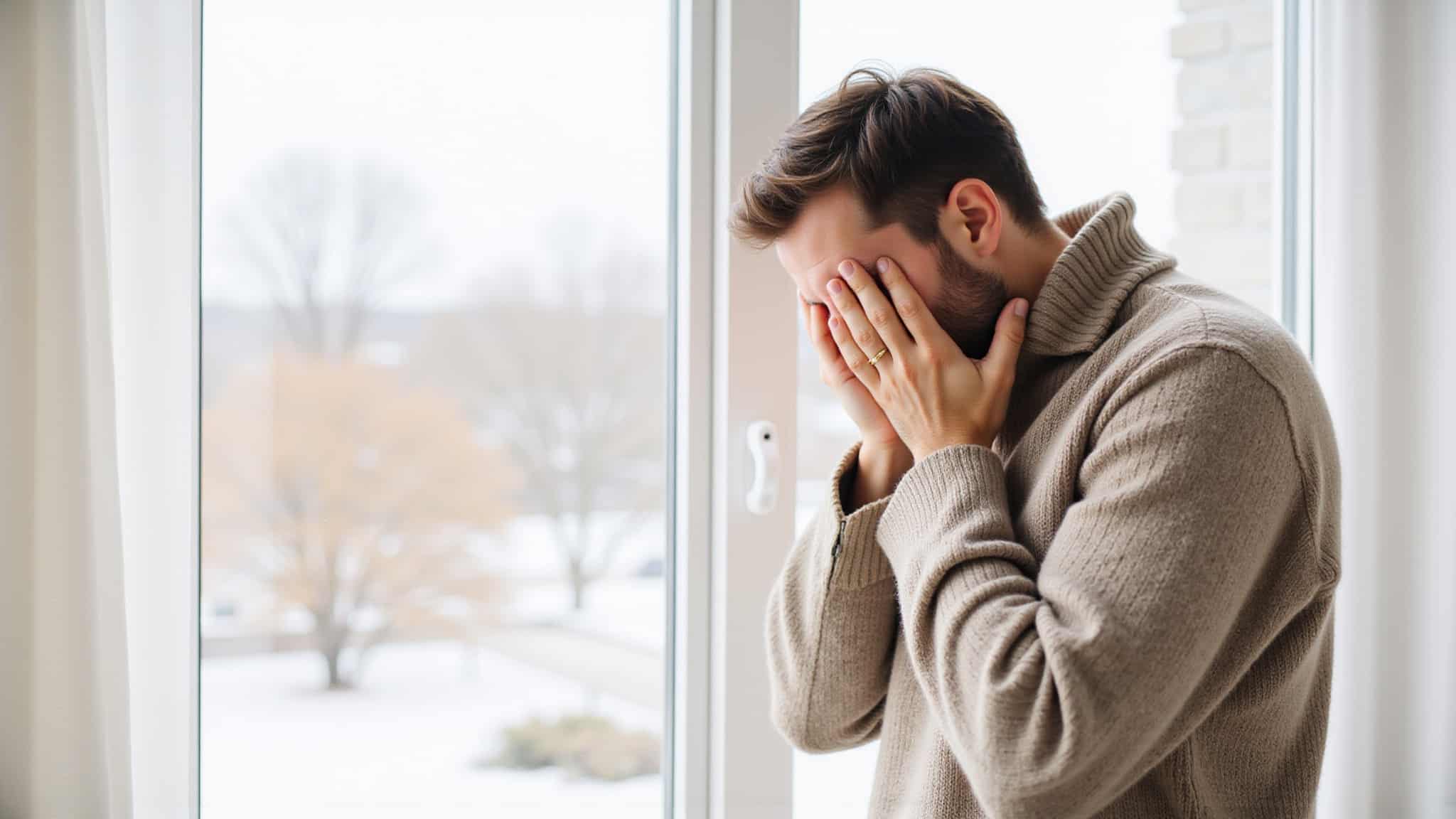
Yes, seasonal depression can cause insomnia, though it’s not the most common sleep symptom. If you have winter-pattern SAD, you’re more likely to experience hypersomnia than insomnia. Research shows an 80% versus 10% split. Still, insomnia does occur, and you might notice trouble falling asleep, restless sleep, or waking too early. When sleep turns dark and recurring, it can exacerbate feelings of hopelessness and anxiety.
The mechanism traces back to your circadian rhythm. Reduced winter daylight can push your internal clock out of phase with your sleep-wake cycle, producing abnormal sleep timing. This misalignment can degrade sleep quality even when your total sleep duration looks normal.
That’s why light therapy helps. Morning light exposure corrects the phase shift driving your symptoms, realigning your circadian rhythm and easing both mood and sleep disturbances.
How Does Seasonal Depression Affect Your Sleep
Seasonal depression disrupts your sleep through several overlapping mechanisms, and the effects extend well beyond insomnia. When winter light drops, your circadian rhythm drifts out of phase with your sleep-wake cycle, throwing off sleep timing and daytime alertness. Reduced daylight also raises melatonin production, which increases sleepiness and drives the oversleeping that characterizes winter-pattern SAD. In fact, hypersomnia gets reported far more often than insomnia, roughly 80% versus 10%. But seasonal depression can cut both ways. You might struggle to fall asleep, wake too early, or rest without truly sleeping, which distorts how you perceive your sleep. Circadian misalignment can also degrade sleep quality even when your total duration looks normal. So SAD affects both how much you sleep and how restorative that sleep feels.
Why Does Reduced Light Disrupt Your Body Clock
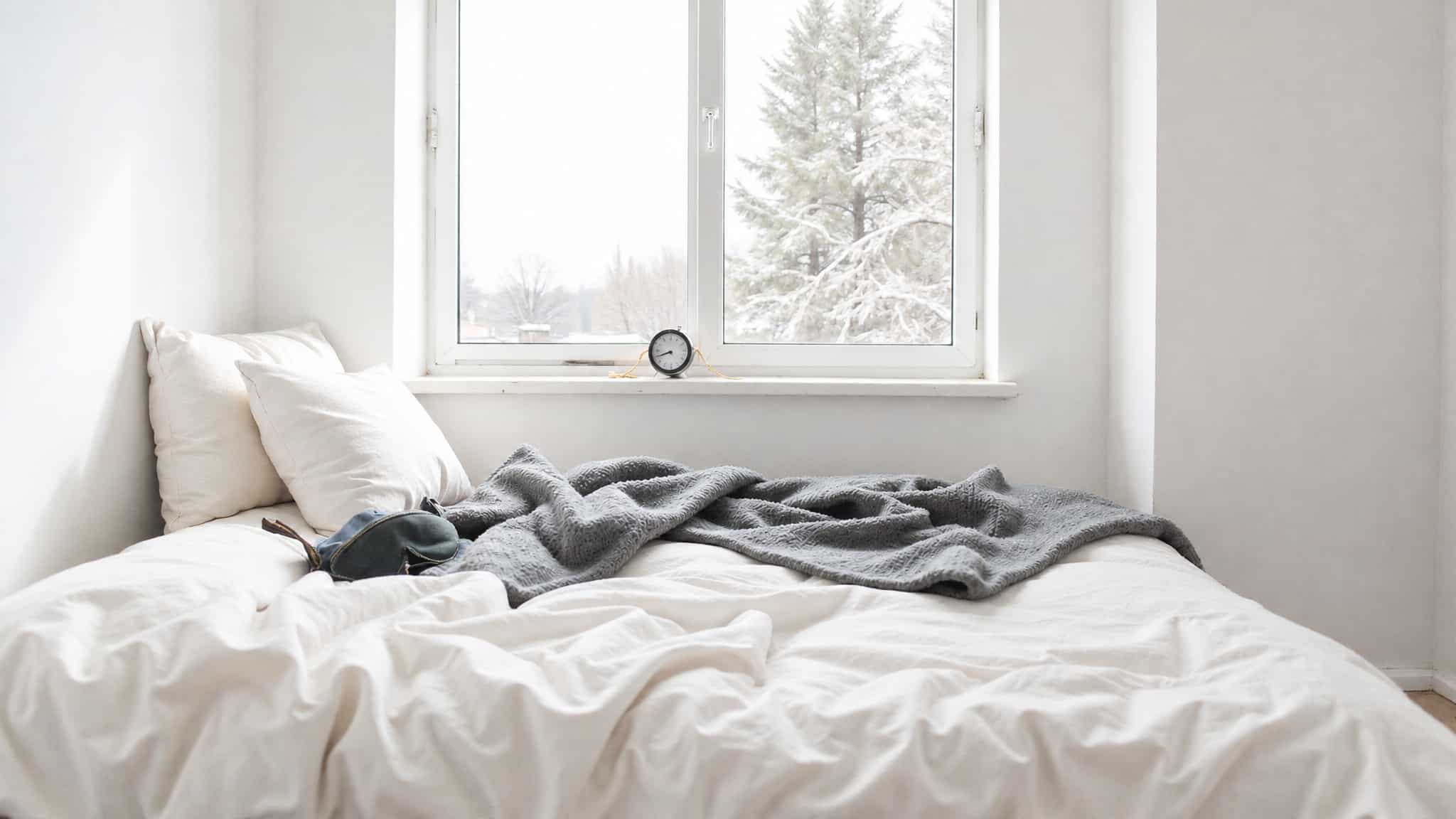
Reduced light disrupts your body clock because light is the primary signal your internal clock uses to stay aligned with the 24-hour day. When winter shortens daylight, your circadian rhythm drifts out of phase with your sleep-wake cycle. This misalignment disrupts the timing of alertness and sleepiness, so you may struggle to sleep or wake at appropriate hours. Reduced light also raises melatonin production, which can push your body toward oversleeping while distorting sleep quality.
- Less morning light delays your clock, making it harder to feel alert early
- Excess melatonin in darker conditions increases lethargy and daytime sleepiness
- Phase drift produces abnormal sleep timing even when total sleep looks normal
Morning light exposure counters this drift, which is why light therapy corrects winter circadian misalignment.
Does Seasonal Depression Cause Insomnia or Oversleeping
Winter seasonal depression can cause both insomnia and oversleeping, but the two aren’t equally common. If you have winter-pattern SAD, you’re far more likely to experience hypersomnia than insomnia. Symptom questionnaires report winter hypersomnia in roughly 80% of cases versus insomnia in about 10%. Still, you might notice insomnia-like symptoms: trouble falling asleep, restless sleep, or waking too early.
| Sleep Pattern | Prevalence in Winter SAD | Typical Presentation |
|---|---|---|
| Hypersomnia | ~80% | Oversleeping, lethargy |
| Insomnia | ~10% | Early waking, trouble falling asleep |
| Mixed/variable | Individual | Fragmented sleep |
| Nightmares | Elevated odds | Frequent, disruptive |
| Perceived poor sleep | Common | Distorted sleep judgment |
Your exact pattern varies, so track your symptoms carefully rather than assuming one presentation.
How Do You Improve Sleep During the Darker Months

Improving sleep during darker months starts with correcting the circadian misalignment that drives winter SAD. Reduced daylight throws off your internal clock and can raise melatonin production, leaving you groggy and prone to oversleeping. The phase shift hypothesis identifies morning light as corrective, so timing your exposure matters. You’ll also benefit from stabilizing your sleep-wake schedule, since circadian misalignment can worsen sleep quality even when duration looks normal.
- Use morning light therapy to advance your clock and counter excess melatonin-driven lethargy
- Keep consistent sleep and wake times to reinforce circadian alignment across the week
- Limit time resting in bed without sleeping to reduce distorted sleep perception
These evidence-based adjustments target the biological mechanisms behind winter SAD’s sleep disruption directly.
What Treatments Help Seasonal Depression and Sleep
Morning light therapy is the primary treatment that helps seasonal depression and sleep. Because winter SAD stems from circadian misalignment and altered melatonin production, effective treatments target those mechanisms directly. By exposing yourself to bright light early, you help realign your internal clock and suppress the excess melatonin that drives winter oversleeping and lethargy. This phase-shift correction can improve both your mood and your sleep timing. Does cbd really ease insomnia? Many people are turning to cannabidiol as a natural alternative for better sleep.
If insomnia persists, you may still benefit from light therapy, since circadian misalignment can worsen sleep quality even when duration seems normal. Correcting that misalignment often reduces both trouble falling asleep and early waking.
Because sleep problems can amplify SAD symptoms and lower your quality of life, treating them matters. Talk with your clinician about combining light therapy with other evidence-based approaches suited to your pattern.
When Should You Seek Help
Winter sleep problems warrant professional help when persistent disruption pairs with mood symptoms. Occasional winter sleep changes often resolve, but this combination signals a need for evaluation. Because winter-pattern SAD more often presents with hypersomnia than insomnia, harsh nightly insomnia deserves attention, especially when it worsens daytime function or mood. Consider seeking care if your symptoms interfere with work, relationships, or safety.
- Duration: Sleep problems persist for weeks and recur seasonally
- Impact: Insomnia or oversleeping impairs daily functioning and mood
- Severity: You experience hopelessness, worsening depression, or thoughts of self-harm
A clinician can distinguish circadian misalignment from primary insomnia and recommend evidence-based treatments like light therapy. Don’t wait until symptoms escalate. Early evaluation improves outcomes and quality of life.
Conclusion
Winter seasonal depression and sleepless nights often travel together, each making the other harder to bear. Shorter days disrupt your body clock and melatonin rhythm, which can leave you low during the day and wide awake at night. Steady light exposure, a consistent sleep schedule, movement, and sometimes light therapy can help reset the cycle and ease both symptoms. When the darkness of the season starts weighing on your mood and your rest, support can make a real difference. National Depression Hotline can connect you with licensed counselors who help you find relief and sleep more soundly again.
Find Real Support for Seasonal Depression and Sleep
Winter depression and insomnia can leave you feeling drained day after day, but expert care can bring back your energy and rest. Through National Depression Hotline serving Boston City, we connect you with licensed mental health counselors who provide the right Depression Treatment and compassionate support for your needs. Call +1 (866) 629-4564 today and take the first step toward healing.
Frequently Asked Questions
Can Summer-Pattern SAD Also Cause Insomnia and Sleep Problems?
Yes, summer-pattern SAD can cause insomnia and sleep problems. Unlike winter-pattern SAD, which more often brings hypersomnia and oversleeping, summer-pattern SAD typically presents with insomnia, meaning you’ll struggle to fall asleep, stay asleep, or you’ll wake too early. You might also experience reduced sleep duration alongside agitation and appetite loss. If you’re noticing these seasonal patterns, it’s worth discussing them with a clinician to guide appropriate treatment.
Are Children and Teenagers Affected by Seasonal Sleep Disturbances?
Yes, children and teenagers can experience seasonal sleep disturbances. When winter’s reduced daylight disrupts your child’s circadian rhythm, you may notice hypersomnia, oversleeping, or trouble waking for school. Excess melatonin production in darker months can increase your teen’s daytime sleepiness and lethargy. While insomnia’s possible, winter-pattern hypersomnia’s more typical. If you’re seeing persistent sleep changes alongside mood shifts, it’s worth consulting a clinician, since sleep disruption can amplify depressive symptoms.
Can Vitamin D Supplements Help With Seasonal Sleep Issues?
Vitamin D may help, especially if your levels are low, which is common in winter when sunlight is scarce. Vitamin D plays a role in regulating mood and sleep, and correcting a deficiency can support better rest and a steadier mood. It is not a guaranteed fix, and taking more than you need offers no extra benefit and can cause harm. A simple blood test can show whether you are low, so ask your doctor before starting supplements and to find the right dose for you.
Is Seasonal Affective Disorder Hereditary or Passed Through Families?
You’ll find that seasonal affective disorder can run in families, suggesting a hereditary component. If you have a close relative with SAD or another mood disorder, your risk rises. Researchers believe genetics influence how your body regulates serotonin, melatonin, and circadian rhythms, all tied to SAD. But you shouldn’t assume it’s purely inherited. Environmental factors, like reduced winter light and your latitude, also shape whether you’ll develop these seasonal symptoms.