Yes, depression can cause painful stomach ulcers. Large cohorts show higher ulcer rates in depression patients (8.9% vs 7.3%), with a 14% higher adjusted hazard. If you’ve had two or more depressive episodes, your risk climbs sharply. Depression disrupts your HPA axis and gut-brain axis, raising gastric acid exposure and weakening mucosal defenses. Chronic stress alters motility, blood flow, and inflammation. Understanding these mechanisms reveals how you can protect your gut. Depression and dizziness link together in complex ways that can exacerbate overall health issues. The interplay between mental health and dizziness may indicate a deeper problem needing attention.
Key Takeaways
- Depression raises peptic ulcer risk, with cohort data showing 8.9% ulcers versus 7.3% in controls and a 14% higher hazard.
- Recurrent depression sharply increases risk, with two or more episodes linked to a 4.31 odds ratio for ulcers.
- Depression disrupts the HPA and gut-brain axes, increasing gastric acid exposure while weakening mucosal defenses.
- Shared factors like smoking, alcohol, H. pylori, NSAIDs, and poor self-care worsen both depression and ulcers.
- Depression can amplify pain perception, prolong symptoms, and slow ulcer healing, creating a bidirectional cycle.
Can Depression Cause Stomach Ulcers
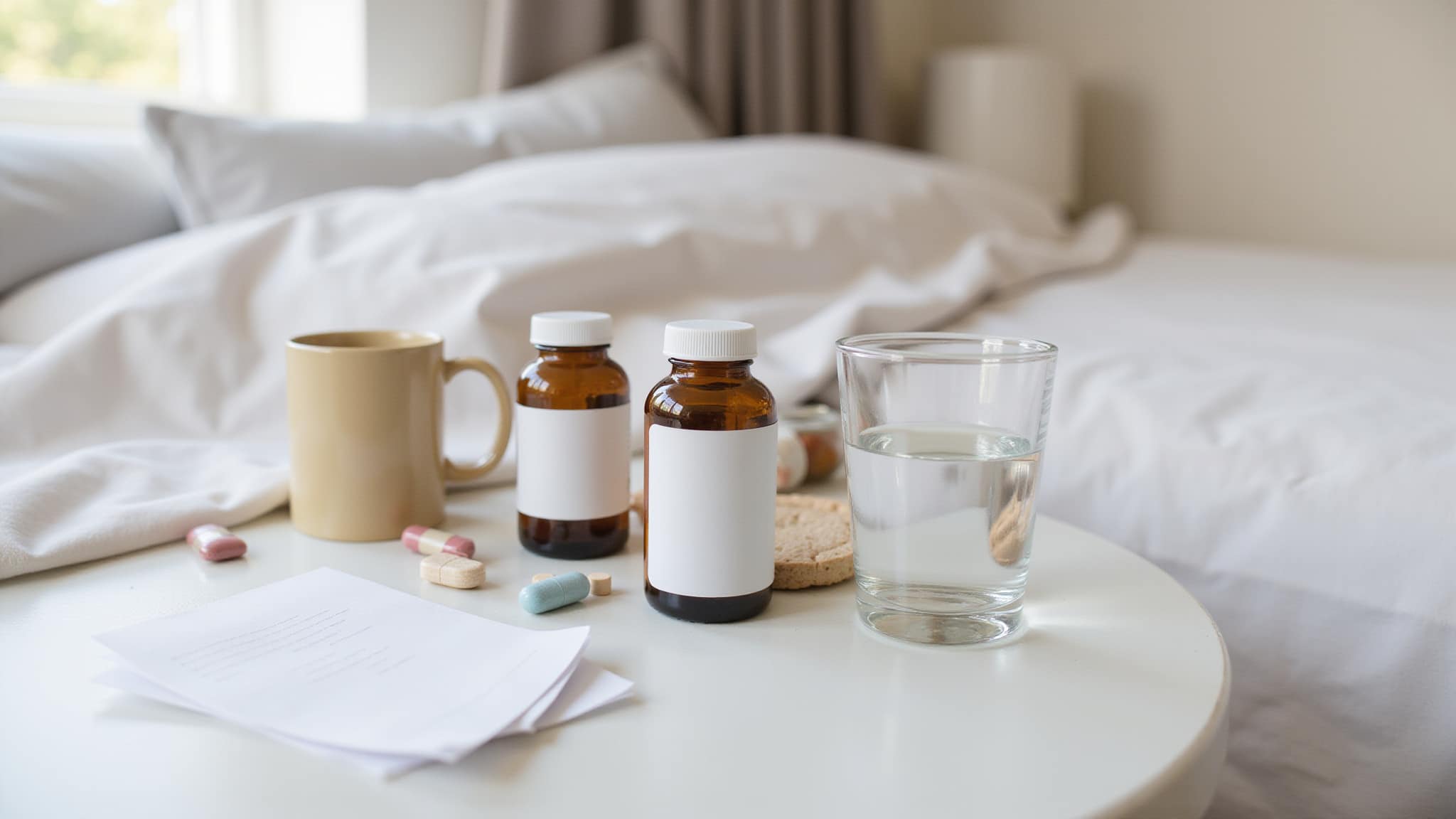
Depression can contribute to stomach ulcers, though it’s not a simple cause-and-effect chain. Depression is associated with a higher risk of peptic ulcer disease, and evidence supports it as a genuine risk factor. In one large cohort, 8.9% of depression patients had peptic ulcers versus 7.3% of controls, yielding a 14% higher adjusted hazard. Mechanistically, depression disrupts your hypothalamic-pituitary-adrenal axis and the gut-brain axis, altering stress hormone regulation, increasing gastric acid exposure, and weakening mucosal defenses. Depression-related behaviors, including smoking, alcohol use, and poor health habits, compound the risk. So can depression cause stomach ulcers? It can contribute, but it’s not the only driver. H. pylori, ulcerogenic drugs, and stress biology all matter alongside your mental health.
How Do Stress and Depression Affect the Gut-Brain Axis
Stress and depression affect the gut-brain axis by activating your hypothalamic-pituitary-adrenal (HPA) axis, releasing stress hormones that increase gastric acid exposure and weaken your stomach’s mucosal defenses. Your brain and gut talk constantly through the gut-brain axis, and that conversation shapes your ulcer risk. When those protective barriers erode, you’re more vulnerable to ulcers forming. Chronic stress also disrupts your gut health by altering motility, blood flow, and inflammatory signaling along this pathway. Because the communication runs both ways, ulcer pain and illness feed back to worsen your mood, tightening the loop. Depression often adds behaviors, smoking, drinking, poor sleep, that further compromise your mucosa. Understanding this axis helps you see why managing stress and mental health matters as much as treating classic ulcer triggers.
Is There a Direct Link Between Depression and Ulcers
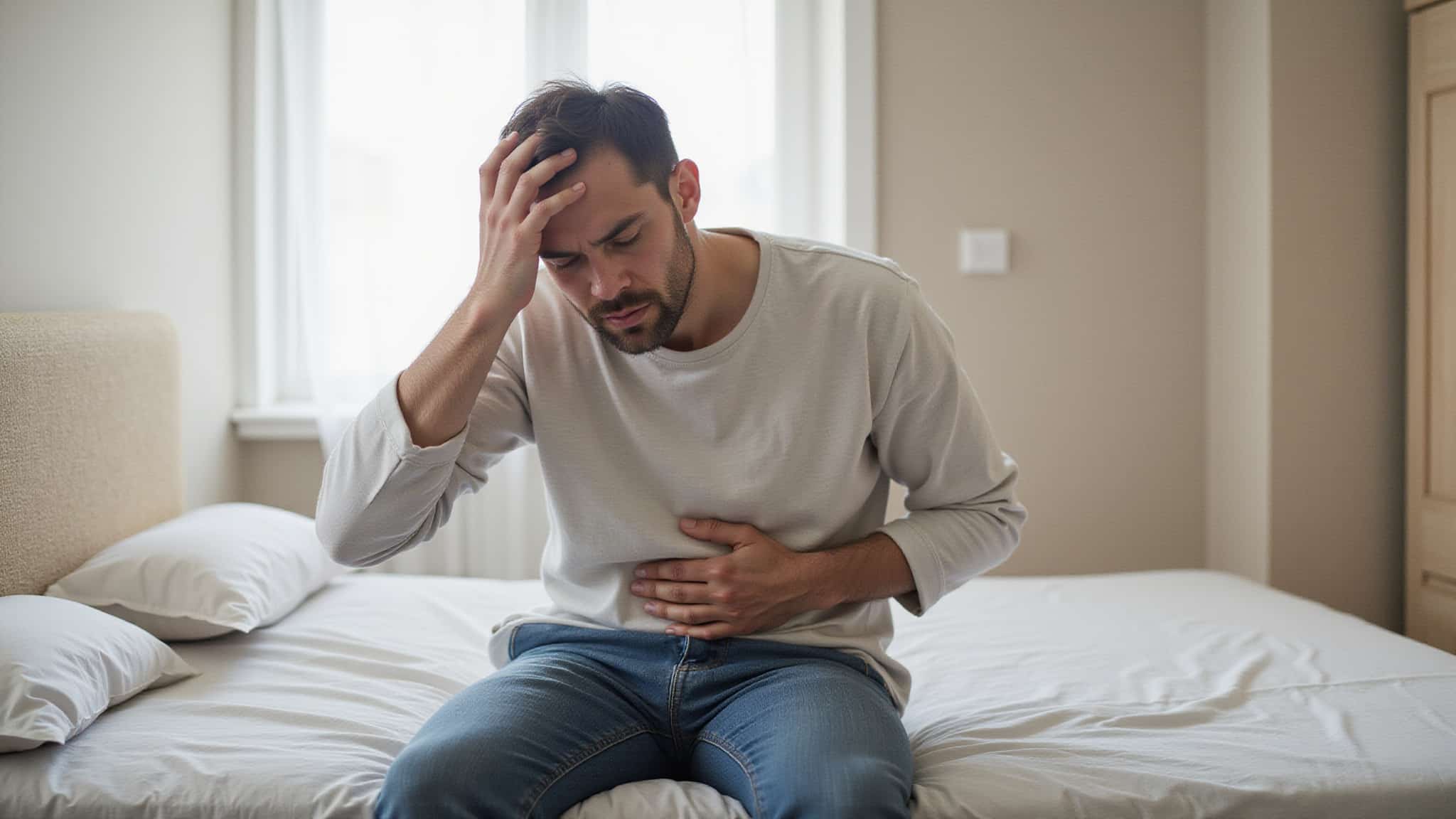
Depression does not directly cause ulcers on its own, but the evidence supports a strong association and a possible causal contribution. Large cohort data show depression patients carry a 14% higher adjusted hazard of peptic ulcers (adjusted HR 1.14, 95% CI 1.09 to 1.19), and recurrent depression sharpens this risk (odds ratio 4.31 with two or more episodes). Mendelian randomization strengthens the case, linking depression causally to gastroduodenal ulcer. Coping with pain-related depression can further complicate the relationship between mental health and gastrointestinal issues.
| Evidence Type | Finding |
|---|---|
| Cohort HR | 1.14 (depression → ulcer) |
| Recurrent depression OR | 4.31 |
| Mendelian randomization | Causal beta 1.767 |
What Risk Factors Raise Your Chances of Both
Several risk factors raise your chances of both depression and ulcer formation at once. Smoking and alcohol use damage your mucosal defenses while worsening your mood, compounding vulnerability on both fronts. *Helicobacter pylori* infection and ulcerogenic drugs like NSAIDs directly erode gastric lining, and if you’re depressed, you’re more likely to neglect treatment. Chronic stress activates your HPA axis, raising cortisol, increasing gastric acid exposure, and disrupting healing. Recurrent depressive episodes matter most. One analysis found an odds ratio of 4.31 in patients with two or more major episodes. Poor sleep, inconsistent self-care, and disrupted eating patterns further weaken your resilience, so addressing these shared drivers protects both your gut and your mind.
What Are the Symptoms of a Stomach Ulcer

A peptic ulcer typically causes a burning or gnawing pain in your upper abdomen, often between your breastbone and navel. This pain usually strikes when your stomach’s empty, between meals or overnight, since acid contacts the exposed mucosal defect. Gastric ulcers may worsen with eating, while duodenal ulcers often ease temporarily after food. Watch for bloating, early satiety, nausea, and heartburn. More alarming signs demand urgent attention: black, tarry stools or vomiting blood signal bleeding, while sudden, severe pain may indicate perforation. If depression accompanies your ulcer, you might experience prolonged symptoms and slower recovery, since mood disturbances can amplify pain perception and delay healing. Don’t dismiss persistent discomfort, early recognition lets you address complications before they escalate dangerously.
How Do You Treat Ulcers and Depression Together
Treat ulcers and depression together by addressing both the ulcer’s cause and your mood, since the two conditions can feed each other and treating them together often works better than tackling either alone. If *H. pylori* is present, you’ll take antibiotics plus a proton pump inhibitor to suppress gastric acid and let the mucosa heal. You’ll also stop ulcerogenic drugs, smoking, and alcohol, since these worsen mucosal damage. For depression, antidepressants and psychotherapy can help, but be cautious: SSRIs may raise bleeding risk, so your doctor might pair them with acid suppression. Managing chronic stress matters too, since HPA-axis activation alters acid exposure and mucosal defenses. Because depression can prolong symptoms and slow recovery, treating your mental health may speed ulcer healing and reduce recurrence.
When Should You See a Doctor
See a doctor once warning signs appear, since untreated peptic ulcers can bleed, perforate, or obstruct the gastrointestinal tract. Get urgent evaluation for black or tarry stools, vomiting blood or coffee-ground material, sudden severe abdominal pain, or lightheadedness signaling significant blood loss. Persistent epigastric pain, unexplained weight loss, difficulty swallowing, or early satiety warrants prompt endoscopy and *H. pylori* testing. Because depression and ulcers share a bidirectional relationship, don’t ignore worsening mood, hopelessness, or suicidal thoughts, these demand immediate mental health intervention. If you’re taking NSAIDs, smoking, or drinking heavily alongside ulcer symptoms, tell your clinician, since these compound mucosal injury. Addressing both physiological and psychological drivers early improves healing, reduces recurrence, and prevents dangerous complications. Does depression increase appetite? Many individuals may find that their eating habits change as their mood fluctuates.
Conclusion
Depression and stomach ulcers are more connected than they might seem. Chronic stress and low mood can raise stomach acid, disrupt digestion, and weaken the body’s defenses, which may make ulcers more likely or slower to heal, while the pain of an ulcer can in turn deepen depression. The relationship runs both ways, so caring for your mental health is part of caring for your gut. If stomach trouble and low mood are showing up together, both deserve attention. National Depression Hotline can connect you with licensed counselors who help you address the emotional side of your health.
Get Help for Depression’s Physical Toll
Depression affects more than just your mood, it takes a real physical toll on your body and daily life. Through National Depression Hotline serving Nassau County, we connect you with licensed mental health counselors who provide the right Depression Treatment and compassionate support for your needs. Call +1 (866) 629-4564 today and take the first step toward healing.
Frequently Asked Questions
Are Antidepressants Safe for People With Peptic Ulcers?
You’ll generally find antidepressants safe if you have peptic ulcers, but your choice matters. SSRIs can raise bleeding risk, especially when you’re combining them with NSAIDs or anticoagulants, since serotonin affects platelet function. You’ll want your provider to consider adding gastroprotection, like a proton pump inhibitor, in higher-risk cases. Tricyclics may slow gastric emptying, so discuss your full medication list, ulcer history, and H. pylori status before starting treatment.
Does H. Pylori Infection Increase the Risk of Depression?
There is a plausible link. H. pylori is the bacteria behind many peptic ulcers, and peptic ulcer disease has been tied to a higher risk of later depression, with one study showing a 68 percent higher adjusted hazard. Because H. pylori drives so many ulcers, it may contribute indirectly to depression through the burden of chronic illness, inflammation, and stress on the body. The evidence points to an association rather than a proven direct cause, so it is best understood as one piece of a larger picture. If ongoing stomach problems come with low mood, it is worth addressing both with your doctor.
Can Ulcer Pain Trigger or Worsen Depression Symptoms?
Yes, ulcer pain can trigger or worsen your depression symptoms. When you’re dealing with peptic ulcer disease, you face a 68% higher adjusted hazard of depression (adjusted HR 1.68, 95% CI 1.62 to 1.74). Chronic pain and illness burden weigh on your mood, reflecting a bidirectional relationship. Your ulcer’s persistent discomfort and disrupted daily functioning can deepen depressive states, so you’ll want to address both your physical symptoms and mental health together.
Are Recurrent Ulcers More Common in People With Depression?
Yes, you’re more likely to face recurrent ulcers if you have depression, especially with repeated depressive episodes. In a case-control analysis, patients with two or more major depressive episodes showed an odds ratio of 4.31 for peptic ulcers. Your recurrent risk likely reflects HPA-axis dysregulation, increased gastric acid exposure, and disrupted mucosal defenses, plus behaviors like smoking and alcohol use. Still, H. pylori and ulcerogenic drugs remain important contributors.