Yes, creative art therapy can help treat depression. When words fail, making art helps you process painful emotions and externalize them into tangible forms. Meta-analyses show significant reductions in depressive symptoms, with moderate effect sizes across diverse groups. It works best as an adjunct to other treatments, not a stand-alone cure. You don’t need artistic talent, the process matters most. Understanding how it works can help you decide if it’s right for you.
Key Takeaways
- Art therapy uses visual art-making to process emotions that are difficult to express through words alone.
- Meta-analyses show significant reductions in depressive symptoms, with moderate effect sizes ranging from -0.69 to -0.81.
- It eases depression by externalizing painful feelings, promoting emotional release, and helping people regain a sense of control.
- Art therapy works best as an adjunctive treatment paired with other therapies, not as a stand-alone cure.
- No artistic talent is needed, since the process matters far more than the finished product.
Can Art Therapy Help Treat Depression

Yes, art therapy can help treat depression. Multiple meta-analyses show art therapy significantly reduces depressive symptoms in adults, with moderate effect sizes ranging from -0.69 to -0.81. That means many people experience meaningful relief when they engage in creative, therapeutic work.
Still, it’s important to understand the context. Researchers consistently frame art therapy as an adjunctive treatment, not a stand-alone cure. You’ll get the best results when you pair it with other proven approaches, like therapy or medication.
The evidence isn’t uniform across every study, and some reviews call for higher-quality trials. But for easing depressive symptoms, art therapy offers a low-risk, potentially high-benefit option worth considering.
What Is Art Therapy and How Does It Work
Art therapy is a form of expressive therapy that uses visual art-making, such as drawing, painting, and sculpting, to help you process emotions you might struggle to verbalize. Creativity gives you a way to express what words often can’t reach. When depression weighs on you, the act of creating can help you feel more in control while easing your symptoms.
You don’t need artistic skill. What matters is the process, not the product. Working alongside a trained therapist, you explore feelings through images and materials, giving shape to experiences that feel overwhelming.
Evidence supports this approach as a complementary treatment, not a stand-alone cure. Structured sessions, often paired with other therapies, help you engage self-related, emotional, and social domains, offering a gentle, low-risk path toward relief from depression’s grip.
How Does Art Therapy Ease Depression Symptoms
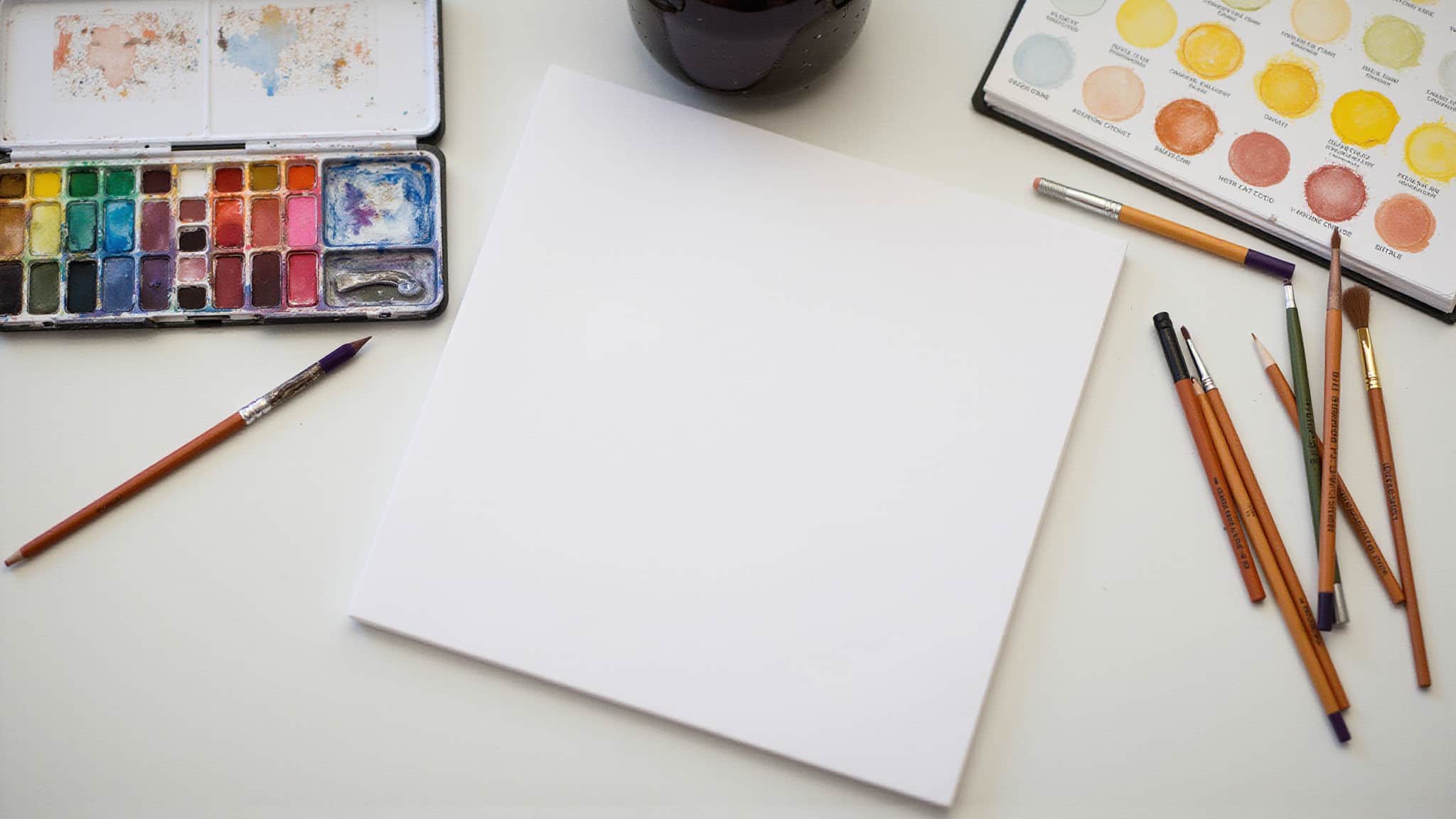
Art therapy eases depression symptoms by helping you externalize emotions that words can’t reach, giving painful feelings a manageable form. This process helps you regain a sense of control while quieting the mind. The evidence backs this up: adult meta-analyses report moderate effect sizes for depressive symptoms.
| Mechanism | What Happens | Supporting Evidence |
|---|---|---|
| Emotional release | You process feelings visually | SMD -0.69, p < 0.001 |
| Restored control | You feel calmer in crisis | Reduced anxiety, depression |
| Structured routine | You attend regular sessions | 20 weekly 90-minute sessions |
| Adjunctive support | You pair it with treatment | SMD -0.81 across 741 adults |
What Does the Research Say About Its Effectiveness
Research shows consistent support for art therapy easing depression, telling a hopeful but honest story. Adult meta-analyses report moderate effect sizes, with standardized mean differences ranging from -0.69 to -0.81 across multiple randomized controlled trials. Benefits show up across populations too. Older adults, children, stroke survivors, cancer patients, and people with cognitive disorders all experienced reduced depressive symptoms. Still, you should keep expectations realistic. Some reviews graded the evidence as low-quality, and one broader review found improvement in only 18% of outcomes. Anxiety effects proved smaller and less consistent. Most positive results come from adjunctive use, meaning art therapy works best alongside other treatments. It can ease depression’s weight, but it isn’t a stand-alone cure.
What Happens in an Art Therapy Session

An art therapy session involves a trained therapist guiding you through making art, whether you’re painting, drawing, sculpting, or collaging. You won’t need talent or experience, only willingness to create. The process matters more than the product. As you work, you often feel more in control, which helps ease anxiety and depression, especially during crisis moments.
Sessions typically run 60 minutes or less, and evidence suggests these shorter formats produce larger effects for depressive symptoms. Your therapist might invite you to reflect on what you’ve made, exploring emotions the images surface.
How Does Art Therapy Compare to Talk Therapy
Art therapy works best alongside talk therapy rather than replacing it. Research consistently frames art therapy as a complementary treatment, not a stand-alone cure. Across adult meta-analyses, art therapy shows moderate reductions in depressive symptoms, with pooled effect sizes near -0.69 to -0.81. Yet most of these positive results come from adjunctive use, meaning art therapy paired with other treatments rather than replacing them.
How Do You Find a Qualified Art Therapist
Finding a qualified art therapist starts with knowing what credentials to look for. Since the strongest evidence supports art therapy as an adjunctive treatment, you’ll want a professional trained to work alongside your broader care team. Verify licensure, clinical training, and experience treating depression specifically, especially if your symptoms co-occur with somatic illness or cognitive concerns.
- Check credentials: Look for board certification (ATR-BC) or equivalent recognized qualifications.
- Confirm clinical training: Ensure they hold a master’s degree in art therapy or counseling.
- Ask about experience: Prioritize therapists who treat depression and understand structured session protocols.
- Discuss collaboration: Choose someone willing to coordinate with your existing treatment providers.
- Clarify expectations: Seek honesty about realistic, evidence-based outcomes rather than guaranteed cures.
Conclusion
Creative art therapy gives many people a gentle, expressive way to process emotions that words alone cannot reach, and research suggests it can ease depression symptoms for some. It is not a standalone cure, but as part of a wider treatment plan it can lower stress, build self-awareness, and make difficult feelings easier to face. The key is working with a qualified therapist who tailors the approach to you. If depression feels heavy right now, National Depression Hotline can connect you with licensed counselors who help you find the treatment that fits your needs. Taking that first step is a sign of strength, not weakness.
Explore Depression Treatment That Works for You
From art therapy to DBT to light therapy, the right approach can transform how you feel every day. Through National Depression Hotline serving Kings County, we connect you with licensed mental health counselors who provide the right Depression Treatment and compassionate support for your needs. Call +1 (866) 629-4564 today and take the first step toward healing.
Frequently Asked Questions
Do I Need Artistic Skills to Benefit From Art Therapy?
No, you don’t need artistic skills to benefit. Art therapy isn’t about creating polished work, it’s about the process of making and expressing yourself. Research shows the act of art-making can help you feel more in control while easing depression and anxiety, even in crisis settings. What matters is your participation, not your talent. You’ll find the emotional and therapeutic value comes from engaging, not from producing something beautiful.
Is Art Therapy Covered by Insurance or Health Plans?
Coverage varies, so you’ll want to check your specific plan. Some insurers cover art therapy when a licensed mental health professional delivers it as part of treatment, especially adjunctive care for depression. Others don’t, or they’ll only reimburse sessions billed under a covered provider. Call your insurer, ask about credentialed art therapists, and confirm your copay. If cost’s a barrier, ask about sliding-scale clinics or community programs offering affordable, structured sessions.
Can I Practice Art Therapy Techniques at Home Alone?
Yes, you can practice art-making techniques at home, and it may ease your depressive symptoms. Though, that the strongest evidence supports art therapy as a complementary treatment, often guided by a trained therapist, not a stand-alone cure. Try structured sessions of 60 minutes or less to match formats linked to better outcomes. If your symptoms feel heavy, please pair this practice with professional support.
Are There Any Risks or Side Effects of Art Therapy?
Art therapy’s generally low-risk, and research describes it as a potentially high-benefit intervention. Still, you might find that creating art stirs up difficult emotions or painful memories, which can feel overwhelming at first. That’s why it’s wise to pair it with other treatments rather than relying on it alone. If you’re managing depression, treat art therapy as a complementary support, keep your expectations realistic, and lean on professional guidance when heavy feelings surface.
Can Children and Older Adults Both Benefit From Art Therapy?
Yes, both age groups can benefit. In children and adolescents, a meta-analysis of 12 controlled trials found a moderate effect (SMD = -0.72) for reducing depressive symptoms. For older adults with major depressive disorder, adjunctive art therapy improved depression and anxiety after 20 weekly 90-minute sessions. So whether you’re supporting a child or an aging loved one, you’ll likely see meaningful relief, especially when it complements other treatments.