Depression is a complex, pervasive mental health issue impacting individuals globally. While traditional therapies and medications are primary in its treatment, emerging research has highlighted the potential role of diet in managing depressive symptoms. Many people are now exploring what vitamins can help with depression as a complementary approach to traditional treatments. Nutritional deficiencies can exacerbate mood disorders, so incorporating essential vitamins like B12, D, and omega-3 fatty acids may provide significant benefits. It’s crucial to consult with a healthcare professional before starting any new supplement regimen to ensure it aligns with individual health needs.
Certain foods can meaningfully reduce your depression risk when you eat them consistently. Fatty fish like salmon and sardines deliver omega-3s that ease depressive symptoms, while leafy greens like kale score among the highest on antidepressant food scales. Berries, nuts, and yogurt further support mood regulation through gut health and neuroinflammation reduction. Following a Mediterranean-style diet can lower your depression risk by over 30%, and understanding which specific foods to prioritize, and avoid, makes all the difference.
Why What You Eat Can Ease or Worsen Depression
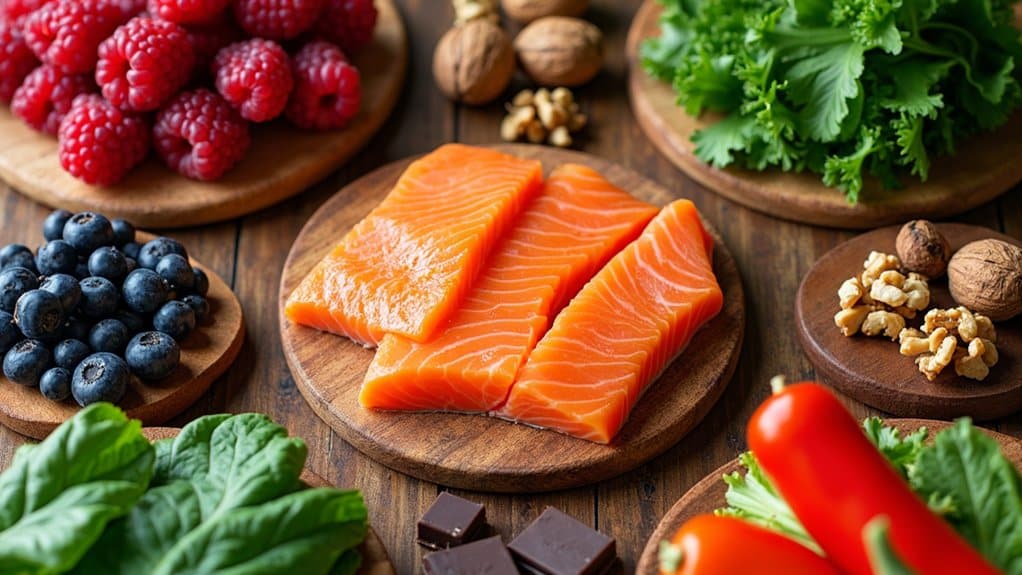
What you put on your plate directly shapes your brain’s ability to regulate mood. Diets rich in fruits, vegetables, whole grains, and fish, sources of omega-3 fatty acids and anti-inflammatory foods, associate with markedly lower depression risk. These nutrients support neurotransmitter function and calm chronic inflammation that disrupts brain chemistry.
Conversely, Western dietary patterns heavy in processed foods, refined grains, and sweets correlate with increased psychiatric symptoms. Research confirms that “unhealthy” food consumption demonstrates stronger associations with depressive disorders than overall diet composition alone. Studies also show that poor dietary practices disproportionately link to depression symptoms in vulnerable populations such as males, younger individuals, those with lower education, and the unemployed. Among young men specifically, depression remains a leading cause of disability, yet only one in four access treatment, making dietary approaches an especially important adjunctive strategy for this demographic.
Your gut, brain axis plays a critical role here. Each 5-gram increase in dietary fiber intake reduces depression risk by 5%, particularly fiber from vegetables. Simple shifts toward nutrient-dense foods can produce measurable improvements in depressive symptoms. Notably, combining dietary changes with exercise interventions resulted in greater improvement in depressive symptoms than dietary modifications alone.
Seafood With the Strongest Antidepressant Nutrients
Certain seafood stands out for its concentrated antidepressant nutrients, particularly omega-3 fatty acids like EPA and DHA that reduce inflammation and support neurotransmitter function in your brain. Oysters, mussels, and clams rank among the most nutrient-dense options, providing high levels of zinc, iron, and B12 alongside omega-3s, all linked to improved mood regulation. Fatty fish such as salmon, mackerel, sardines, and herring deliver 0.5, 1.5g of EPA and DHA per 100g serving, with clinical evidence showing these amounts can considerably reduce depressive symptoms when you consume 1, 2 servings weekly.
Oysters, Mussels, and Clams
These bivalves deliver concentrated levels of B12, zinc, iron, selenium, and omega-3 fatty acids, all linked to depression prevention. They outperform organ meats, poultry giblets, and other seafood categories. When you incorporate them into your dietary patterns, you’re choosing some of the most effective mood-boosting foods available. They’re also cost-effective and adaptable to virtually any eating style. If you’re building a diet to support mental health, bivalves deserve a central place on your plate.
Omega-3-Rich Fish Options
Because omega-3 fatty acids directly influence serotonin receptors, reduce chronic neuroinflammation, and penetrate brain cell membranes to interact with mood-related molecules, fatty fish ranks among the most effective foods that help depression. Research on diet and depression confirms that supplements containing at least 60% EPA produce measurable antidepressant effects, with 1, 2 g/day recommended for major depression.
When you combine omega-3-rich fish with SSRIs, you’ll see substantially greater symptom improvement than either approach alone.
| Fish Source | Key Benefit |
|---|---|
| Wild Salmon | High EPA concentration |
| Mackerel | Dense omega-3 per serving |
| Sardines | Affordable, low-mercury option |
Nations with high fish consumption consistently report lower depression prevalence. Prioritizing these foods that support mood strengthens your nutritional foundation for resilience.
Leafy Greens That Score Highest Against Depression
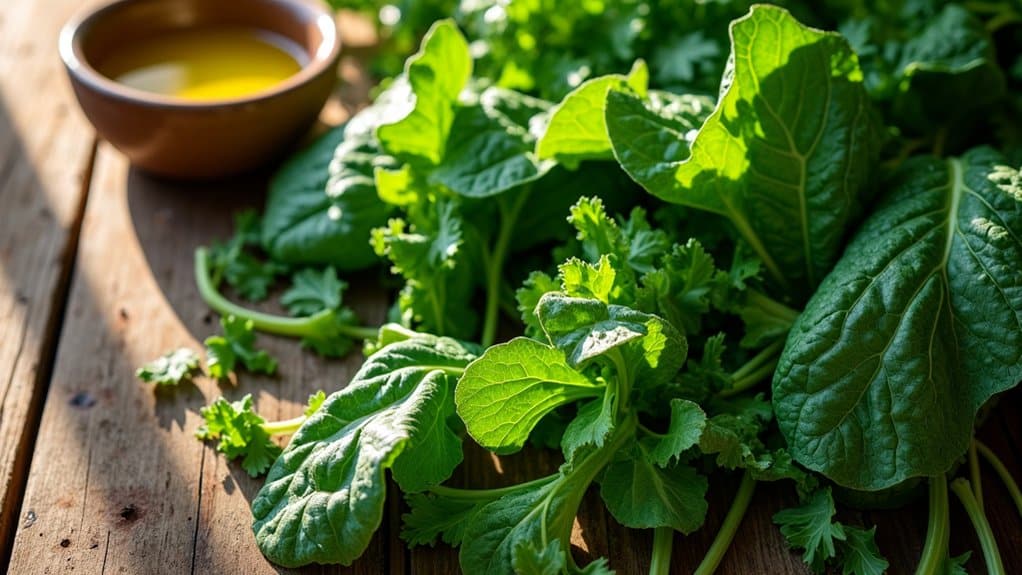
While many plant foods offer mood-supporting nutrients, leafy greens consistently rank among the highest-scoring foods in the Antidepressant Food Score system, a research-based tool that evaluates foods by their concentration of twelve key antidepressant nutrients. These nutrients include folate, iron, magnesium, and vitamins B6 and B12, all of which support neurotransmitter function and mood regulation.
Kale stands out because it contains high levels of quercetin, a compound that acts as a natural MAO inhibitor, increasing serotonin, dopamine, and norepinephrine in your brain, similar to how certain antidepressant medications work.
What makes leafy greens particularly effective is their nutrient density. You’re getting multiple antidepressant compounds simultaneously, creating synergistic effects that address inflammation and chemical imbalances linked to depression through a single food group.
Other Vegetables and Fruits That Fight Depression
Beyond leafy greens, a broad range of vegetables and fruits deliver measurable protection against depression. Research shows high fruit intake is linked to a 14% decreased depression risk, while high vegetable intake is associated with an 11% reduction. Each 100-gram increase in fruit consumption lowers your risk by an additional 3%, demonstrating a clear dose-response relationship.
Berries and citrus fruits stand out within these categories, promoting higher optimism and reduced psychological distress. You’ll benefit from incorporating them regularly into your meals.
The protective effects span age groups and populations. If you’re eating vegetables even once daily, you’re already building a buffer against depressive symptoms. Prioritize variety, combining colorful fruits and vegetables maximizes your intake of depression-fighting nutrients and strengthens your overall mental resilience.
Nuts, Yogurt, and Spices That Help Depression
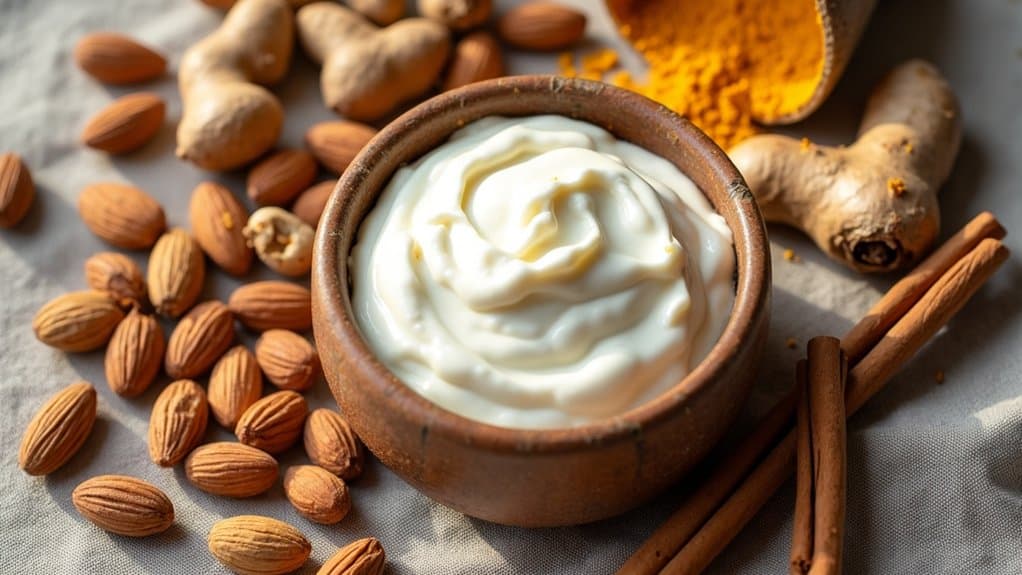
Adding nuts, yogurt, and spices to your diet can target depression through multiple pathways, from reducing brain inflammation to supporting gut-brain communication. Brazil nuts and walnuts provide omega-3 fatty acids, tryptophan, and anti-inflammatory phytochemicals linked to depression scores up to 26% lower than those of non-nut consumers. Yogurt’s probiotics support gut health, which directly influences mood regulation, while turmeric contains curcumin, a compound that naturally boosts neurotransmitter function.
Brazil Nuts Fight Depression
Though you might not think of a simple handful of nuts as a mood booster, research tells a compelling story. A UK Biobank study of over 13,000 adults found that consuming 30 grams of nuts daily, including Brazil nuts, almonds, and walnuts, was linked to a 17% lower depression risk. Eating three or more servings weekly yielded an odds ratio of 0.66 for depression.
Brazil nuts deliver amino acids like tryptophan, which reduces neuroinflammation and supports serotonin production. University of Barcelona research confirms higher serotonin metabolites after Brazil nut consumption. They’re also rich in magnesium, which counters deficiencies implicated in mood disorders, and phytochemicals that downregulate proinflammatory cytokines. Their low glycemic index helps stabilize blood sugar, further supporting mood regulation. Adding Brazil nuts to your diet offers multiple pathways toward better mental health.
Yogurt Supports Gut Health
From nuts, we move to the dairy aisle, where yogurt’s role in mental health is gaining serious scientific attention. Research shows daily probiotic yogurt consumers scored nearly seven times lower on depression measures than non-consumers. A longitudinal study of 14,539 participants found high-fat yogurt reduced depression risk by 22% in women.
The mechanism centers on your gut-brain axis. Lactobacillus strains in yogurt modulate kynurenine levels, a metabolite directly linked to depressive symptoms.
| Yogurt Type | Key Finding | Population |
|---|---|---|
| High-fat yogurt | 22% lower depression risk | Women |
| Daily probiotic yogurt | 6.96x lower depression scores | General adults |
| Probiotic milk (daily) | 6.15x lower depression scores | General adults |
You’ll want to choose whole-fat, probiotic-rich varieties for maximum gut-brain benefit.
Turmeric Boosts Mood Naturally
Turmeric’s golden compound, curcumin, has stepped up as one of the most studied natural mood enhancers in recent years. Research shows that 500, 1000mg daily can greatly reduce depressive symptoms, with one RCT finding curcumin matched Prozac’s efficacy over six weeks. It works by lowering inflammatory cytokines, modulating cortisol, and influencing serotonin and dopamine pathways.
Picture incorporating turmeric into your routine:
- A warm golden milk latte blended with black pepper and coconut oil to boost curcumin absorption
- A vibrant turmeric-ginger smoothie paired with anti-inflammatory berries
- A seasoned curry bowl layered with leafy greens and fatty fish
You’ll want to pair curcumin with fat-based preparations for ideal bioavailability. While evidence is promising, it’s best used alongside, not replacing, professional treatment.
How the Mediterranean Diet Lowers Depression Risk
Among all dietary patterns studied for mental health, the Mediterranean diet stands out with the strongest evidence for reducing depression risk. Research shows that closely following this diet can reduce your depression risk by over 30%, with one study finding 71% reduced odds for women and 79% for men.
This diet emphasizes vegetables, fruits, whole grains, legumes, nuts, fish, and olive oil, foods rich in omega-3 fatty acids, folate, B vitamins, magnesium, and antioxidants. These nutrients work synergistically to fight inflammation, improve blood vessel function, and support neurotransmitter production.
In clinical trials involving 1,507 adults, Mediterranean diet interventions substantially reduced depressive symptoms compared to controls. A 12-week trial demonstrated meaningful reductions in depression, anxiety, and stress scores, confirming that this dietary pattern actively supports your mental health.
Foods That Make Depression Worse
Just as the Mediterranean diet actively protects your mental health, certain foods work against it, triggering inflammation, disrupting blood sugar balance, and depleting the very nutrients your brain needs to regulate mood.
Certain foods fight against your mental health by fueling inflammation, destabilizing blood sugar, and starving your brain of essential nutrients.
- Refined carbohydrates, White bread, pastries, and white rice spike your blood sugar rapidly, leading to mood swings and irritability. A study of 70,000+ postmenopausal women linked progressively higher glycemic index scores to increased depression risk.
- Processed foods, Items high in sugar, unhealthy fats, and trans fats drive inflammation while lacking omega-3s, B vitamins, and magnesium. High trans fat consumers face a 48% increased depression risk.
- Sugar-sweetened beverages, SSB intake is positively associated with depression, delivering high-fructose corn syrup without nutritional benefit.
Reducing these foods removes key obstacles to your brain’s mood-regulating capacity.
A Simple Weekly Meal Plan for Depression Relief
How do you translate everything you’ve learned about mood-supporting nutrients into actual meals on your plate? A Mediterranean-style weekly plan built around whole foods makes it practical.
Monday through Wednesday, anchor your meals with specific pairings: Greek yogurt with berries and nuts for breakfast, grilled salmon over quinoa with leafy greens for lunch, and lentil stew with whole-grain bread for dinner. Rotate through oatmeal with bananas, chickpea salads, and baked fish with brown rice mid-week.
Thursday through Sunday, repeat your favorite combinations, overnight oats, veggie-packed quinoa bowls, and stir-fried tofu over brown rice.
Keep snacks simple: hummus with carrots, trail mix, or dark chocolate.
Weekly prep tip: Write your shopping list ahead, stock pre-cut vegetables, and keep canned beans available for low-energy days.
Food and Mood
Food and mood are intricately linked. Diet impacts not just our physical health but mental well-being as well. The ‘brain-gut axis’ is a term used to describe the two-way communication between the brain and the gut, illustrating the influence our dietary choices have on our emotional state. Certain foods, rich in specific nutrients, can potentially ameliorate depressive symptoms.
Foods That Help Fight Depression
Omega-3 Rich Foods
Omega-3 fatty acids, particularly EPA and DHA, are integral to brain health. Research suggests that they may have mood-stabilizing effects. Foods high in omega-3s include fatty fish (like salmon, mackerel, and sardines), flaxseeds, chia seeds, walnuts, and fortified eggs.
Fruits and Vegetables
These nutrient powerhouses are high in vitamins, minerals, and fiber. Dark leafy greens like spinach and kale are high in folate, a B vitamin linked to neurotransmitter synthesis. Berries, citrus fruits, and bell peppers are excellent sources of Vitamin C, which can help boost mood.
Whole Grains
Whole grains, such as brown rice, oatmeal, and whole grain bread, are packed with B vitamins and fiber, which can help stabilize mood. They also have a low glycemic index, which prevents blood sugar spikes and crashes that can affect mood.
Lean Proteins
Protein-rich foods like lean meats, poultry, fish, and legumes contain the amino acids necessary for neurotransmitter production. In particular, tryptophan, found in turkey, eggs, and cheese, aids in the production of serotonin, the “feel-good” hormone.
Fermented Foods
Fermented foods, like yogurt, kefir, sauerkraut, and kimchi, contain probiotics, which can positively influence the gut-brain axis. A healthy gut microbiome is increasingly being recognized as crucial to mental health.
A Word on Sugar and Processed Foods
While the foods mentioned above can potentially alleviate depressive symptoms, certain dietary elements can aggravate them. High sugar intake and processed foods can cause fluctuations in blood sugar levels, leading to mood instability and, over time, an increased risk of depression. Furthermore, individuals dealing with depression anxiety and tension headaches may find their symptoms exacerbated by certain lifestyle choices, such as lack of sleep and high-stress environments. It’s crucial to identify triggers that contribute to these conditions to effectively manage them. Incorporating relaxation techniques and regular physical activity can help in mitigating the impact of these mental health challenges.
When to Seek Help
While diet can contribute to managing depression, it shouldn’t replace professional help. If you’re experiencing symptoms of depression, it’s crucial to seek help from a healthcare provider or mental health professional. They can provide an individualized treatment plan, which may include therapy, medication, and lifestyle changes, including dietary adjustments. how do you take care of someone with depression can be a challenging question. It’s important to offer support and understanding, ensuring they know they are not alone in their struggles. Simple gestures, like checking in regularly or spending quality time together, can make a significant difference in their journey toward healing.
Diet and Depression: A Growing Field of Research
The role of nutrition in mental health is an expanding field, with a growing body of evidence supporting its potential. While it’s important to note that food is not a cure for depression, it can be part of a holistic approach to managing mental health. Future research will undoubtedly continue to unravel the intricate links between what we eat and how we feel.
Help Near You
Living with depression can be challenging, but support is available. Don’t hesitate to visit NationalDepressionHotline.org, a free resource with local referrals, and more.
While adjusting your diet can support your mental health, it’s essential to seek professional advice. Remember, there is no shame in seeking help. By combining a balanced diet with professional care, we can start to tackle depression from all angles, supporting our well-being in a comprehensive, holistic way.
Frequently Asked Questions
Can Cooking Methods Affect the Antidepressant Nutrient Content in Foods?
Yes, your cooking methods directly affect the antidepressant nutrients in your food. Boiling can leach up to 100% of vitamin C and B vitamins into water you’ll discard. You’ll retain more mood-supporting nutrients by steaming, microwaving briefly, or sautéing with healthy fats like olive oil. These methods preserve water-soluble vitamins while enhancing absorption of fat-soluble nutrients like beta-carotene. Shorter cooking times at lower temperatures maximize your food’s mental health benefits.
How Quickly Can Dietary Changes Start Improving Depression Symptoms?
You can start noticing improvements in depression symptoms within 12 weeks of adopting a Mediterranean-style diet. The landmark SMILES trial showed a 32% remission rate in this timeframe, with participants achieving significant reductions on standardized depression scales. These changes occur through gut microbiome modification, reduced inflammation, and enhanced neurotransmitter support, independent of weight change. Key nutrients driving this response include folate, EPA, DHA, and short-chain fatty acids from fiber-rich foods.
Do Antidepressant Foods Interact With Prescribed Depression Medications?
Yes, some nutrient-dense foods can interact with your prescribed antidepressants. If you’re taking MAOIs, you’ll need to avoid tyramine-rich foods like aged cheeses, cured meats, and fermented products, which can trigger dangerous blood pressure spikes. Caffeine may affect tricyclic antidepressants’ effectiveness. However, folic acid and vitamin C-rich foods can actually enhance certain antidepressants’ benefits. You should always discuss your dietary habits with your prescribing provider to guarantee safe, synergistic combinations.
Are Frozen Vegetables as Effective as Fresh Ones for Fighting Depression?
Yes, frozen vegetables can support your mental health nearly as well as fresh ones. Studies show frozen produce retains equivalent levels of vitamin C, folate, and other mood-supporting nutrients, often surpassing fresh vegetables stored for five days. However, research suggests raw fruits and vegetables predict broader mental health benefits, including reduced depressive symptoms and greater flourishing, while processed forms (including frozen) primarily boost positive mood. You’ll benefit most by incorporating both into your diet.
Can Food Supplements Replace Whole Foods for Depression Relief?
No, supplements can’t fully replace whole foods for depression relief. While specific supplements like high-EPA omega-3s or curcumin may modestly help, research shows they don’t replicate the complex nutrient interactions you get from whole foods. You’ll find that eating nutrient-dense foods, leafy greens, bivalves, and cruciferous vegetables, delivers antidepressant nutrients more effectively. Focus on a Mediterranean-style dietary pattern, and work with your healthcare provider to determine if targeted supplements might complement your approach.